


Celtic Salt Benefits: Why This Mineral-Rich Sea Salt Is Better Than Table Salt
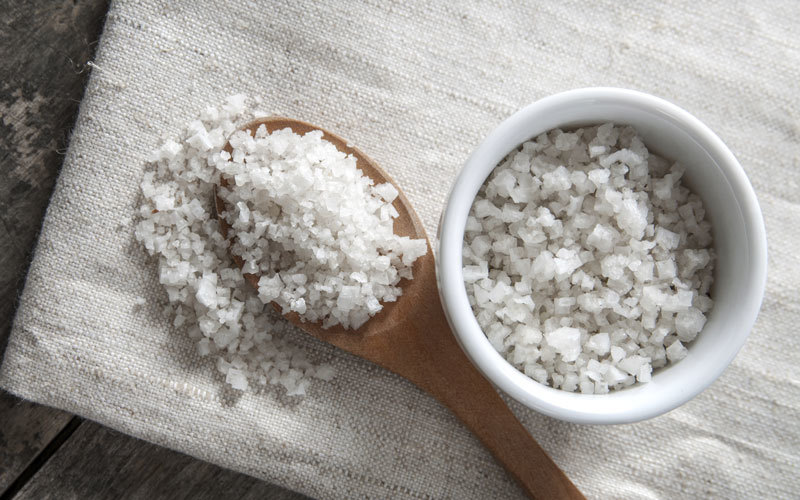
Celtic salt has risen in popularity for those seeking both flavour and natural health benefits in their everyday meals. Unlike ordinary table salt, which is chemically refined and stripped of its nutrients, Celtic salt is naturally harvested and packed with essential minerals. It’s a moist, mineral-rich sea salt that provides the body with trace elements necessary for optimal wellness, setting it apart from other common varieties of salt.
Sourced from the pristine coastal regions of Brittany, France, Celtic sea salt—often grey in colour due to its mineral clay content—is produced using traditional methods that preserve its nutritional integrity. The harvesting process involves drying the salt in clay ponds using sunlight and wooden tools, a method that dates back centuries. This careful, natural production is what gives Celtic salt its superior status in kitchens and health circles alike.
What Is Celtic Salt and How Is It Different?
Celtic salt, also known as sel gris or grey salt, is a hand-harvested sea salt extracted from the Celtic Sea. Its moisture-rich crystals are soft and slightly damp, distinguishing it from dry, refined table salt. Because it’s not processed with heat or bleached, Celtic salt retains over 80 trace minerals, including magnesium, calcium, and potassium—making it far more nutritious than standard salt found on supermarket shelves.
What makes Celtic salt even more unique is its environmental origin. Its mineral profile is a direct result of its location—shallow tidal ponds near the Atlantic coast that naturally filter seawater. This gives Celtic sea salt a distinct character compared to Himalayan salt, which is mined inland, or rock salt, which is used primarily for de-icing roads. For those looking to elevate both their health and their cooking, switching to Celtic salt is a smart and flavourful choice.
Nutritional and Health Benefits of Celtic Salt
Celtic salt provides a wide spectrum of trace elements that support various functions in the body. Magnesium in particular plays a vital role in energy production, muscle health, and nerve function, while calcium supports bone strength and cellular signalling. Unlike table salt, which typically contains only sodium and chloride, Celtic salt offers a more balanced mineral intake that aligns with the body’s natural needs.
In terms of health, Celtic salt helps regulate hydration levels by balancing electrolytes. This is why many holistic wellness advocates recommend adding a pinch of Celtic salt to water to aid in hydration. It can also support adrenal function, digestion, and detoxification. Even salt lamps, although not edible, are often made from mineral-rich salts like Himalayan and Celtic to promote cleansing energy in the environment—showing the salt’s appeal in both internal and external wellness rituals.
Culinary Uses: Flavour Meets Function

Celtic salt isn’t just a health trend—it’s a staple in many gourmet kitchens. Its slightly damp texture allows it to cling beautifully to meats and vegetables, enhancing flavour without overpowering the dish. Whether you’re making salt and pepper chicken, roasting root vegetables, or recreating restaurant favourites like salt and pepper chips, this natural seasoning brings out the depth of every ingredient.
Even the world-famous Salt Bae has helped popularise high-end sea salts in fine dining. Celtic salt fits right into this elevated food scene, providing both aesthetic and taste value to plated meals. It’s also ideal for artisanal recipes like sourdough bread or salt dough, where mineral richness contributes to both flavour and texture. In essence, it bridges the gap between health-conscious cooking and bold, expressive cuisine.
Comparing Celtic Salt to Other Popular Salts
When it comes to choosing the best salt for health and flavour, comparisons are inevitable. Celtic salt versus Himalayan salt is a common debate, and while both are unrefined and mineral-rich, their sources differ significantly. Himalayan salt is mined and dry, whereas Celtic salt is harvested from living seawater and retains natural moisture, which can enhance its taste and mineral availability.
Kosher salt, often used in Jewish cooking, is appreciated for its flake size but lacks the extensive mineral content of Celtic salt. Epsom salt and dishwasher salt, while also types of salt, serve non-culinary purposes and should never be consumed. Even though all share the word “salt,” their uses and compositions vary greatly. Celtic salt, due to its natural sourcing, processing, and nutritional value, often tops the list for those wanting both health benefits and great taste.
Buying and Storing Celtic Salt
Celtic salt is widely available through organic retailers, health shops, and online marketplaces. When purchasing, always check for labels such as “unrefined,” “hand-harvested,” and “light grey” to ensure you’re getting authentic Celtic sea salt. Avoid overly bleached or white versions, which may be imitations or processed.
Storage is simple—due to its moisture, Celtic salt should be kept in a non-metallic container with a tight lid. Ceramic, glass, or wood containers work well to preserve its quality. You’ll also find Celtic salt featured in boutique wellness stores across the UK, and even in lifestyle locations like Salt Lake City. Some upscale restaurants, including Salt Bae’s venues, are known to use premium salts like Celtic for a richer, cleaner taste.
Things to Consider: Side Effects and Moderation
Though Celtic salt is healthier than processed salt, moderation is still key. Excessive intake of any salt—even natural varieties—can contribute to health concerns like high blood pressure. People with kidney problems or sodium-sensitive conditions should consult a medical professional before switching or increasing their intake.
It’s also important not to fall into the trap of thinking more salt means better health. Like all things in nutrition, balance is essential. Celtic salt can support your diet, but it should be just one element of a broader health-conscious lifestyle that includes clean eating, hydration, and regular movement.
Conclusion
Celtic salt is more than just a seasoning—it’s a mineral-rich powerhouse that brings health, flavour, and tradition to every dish. Its superior composition and natural sourcing make it a worthy alternative to chemically processed table salt. For those seeking better wellness and tastier food, it offers the perfect blend of nature and nourishment.
Whether you’re hydrating more effectively, cooking gourmet meals, or embracing holistic living, Celtic salt delivers. In a market flooded with artificial additives and synthetic flavourings, turning to something pure and ancient like Celtic sea salt is a wise, healthy step forward.
Frequently Asked Questions (FAQs)
What makes Celtic salt different from regular salt?
Celtic salt is hand-harvested, unrefined, and contains over 80 minerals, unlike regular table salt which is processed and stripped of nutrients.
Can I cook everything with Celtic salt?
Yes, it works in all types of cooking—from basic recipes to gourmet meals—enhancing flavour while providing health benefits.
Is Celtic salt better than Himalayan salt?
Both are healthy, but Celtic salt retains natural moisture and has a softer, milder flavour due to its oceanic origin.
Does Celtic salt contain iodine?
Naturally, Celtic salt contains small amounts of iodine, though not as much as iodised salt. It still contributes to a balanced mineral intake.
Where can I buy Celtic salt in the UK?
You can find it in health food stores, organic shops, or online retailers that specialise in natural and wellness products.
You may also read: BillyOh Playhouse: Best Wooden Playhouses for Kids with Free UK Delivery