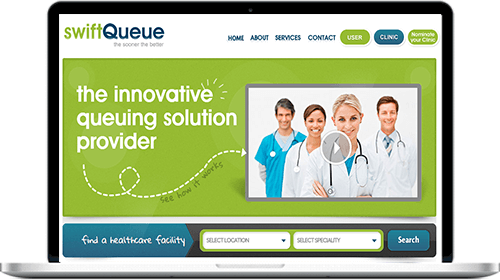


Medical Tracker: How UK Schools and Individuals Can Manage Health Efficiently
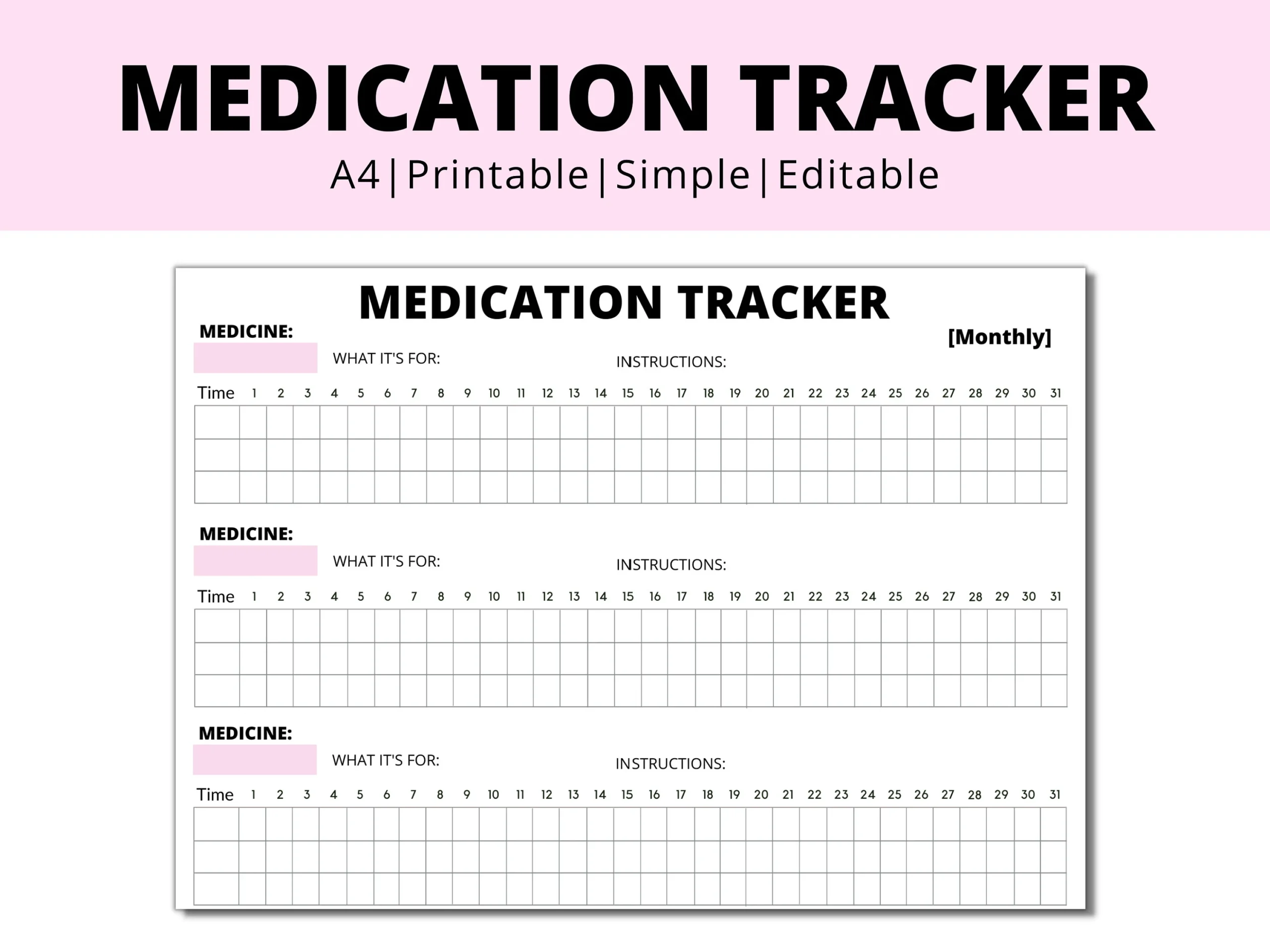
Medical tracker solutions have become an essential tool for managing health records efficiently across the UK. They provide a centralised system for schools, workplaces, and individuals to monitor medical incidents, appointments, medications, and chronic conditions. With accurate record-keeping, a medical tracker ensures safety, compliance, and timely access to crucial health information, making it an indispensable resource for health management.
Schools and institutions particularly benefit from medical tracker systems because they can streamline first aid reporting, medication administration, and care plan monitoring. For individuals, medical tracker applications allow detailed logging of symptoms and treatments, making communication with healthcare providers much simpler. By using a medical tracker, both schools and personal users can prevent errors, improve healthcare outcomes, and maintain organised records.
What is a Medical Tracker
A medical tracker is a digital platform designed to record, monitor, and manage health information efficiently. It allows schools, institutions, and individuals to document incidents, track medications, and store vital health data securely. A medical tracker can integrate with broader healthcare management systems, offering notifications, reminders, and reporting features to improve health outcomes while ensuring compliance with UK regulations.
Beyond schools and institutions, a medical tracker is useful for personal health management. Individuals can record doctor appointments, monitor chronic conditions, and maintain a secure history of medications and treatments. By centralising data in a single, accessible location, a medical tracker simplifies health monitoring, reduces administrative errors, and provides quick access to medical records whenever needed, including for insurance or travel purposes.
Benefits of Using a Medical Tracker
The advantages of a medical tracker are extensive for both schools and individuals. In schools, medical tracker systems allow staff to log incidents accurately, manage student medications, and maintain comprehensive care plans. This ensures compliance with Department for Education guidelines and enhances the ability to respond to medical emergencies promptly and efficiently.
For individuals, a medical tracker provides an organised approach to managing personal health. It supports monitoring of medications, symptoms, and treatment schedules, reducing the risk of missed doses or errors. Additionally, it facilitates communication with healthcare providers and can assist with private medical insurance claims or travel insurance documentation for pre-existing conditions. A medical tracker therefore combines convenience with reliability, improving overall health management.
Features to Look for in a Medical Tracker

When choosing a medical tracker, it is essential to consider features such as secure login, user-friendly interfaces, and clear dashboards. These allow schools and individuals to quickly access and manage records while maintaining security and privacy. Effective medical tracker systems also include notifications for medication administration, reminders for appointments, and alert systems for potential health risks.
Advanced medical tracker tools can integrate with existing health management platforms, enabling comprehensive monitoring of health data. Features such as incident reporting, symptom tracking, and data analytics help schools and individuals make informed decisions. Additionally, mobile accessibility ensures users can update and review health information on the go, making medical tracker solutions both practical and versatile for daily use.
Choosing the Right Medical Tracker in the UK
Selecting the most suitable medical tracker in the UK requires careful evaluation of software functionality, cost, and support services. Schools need systems that comply with UK health and education regulations, while individuals should seek tools that simplify personal health monitoring. Trusted medical tracker solutions combine ease of use, secure storage, and reliable reporting features to meet both educational and personal requirements.
Case studies reveal how schools using medical tracker systems have significantly improved student care and administrative efficiency. Personal users also benefit from enhanced health record organisation, better communication with medical professionals, and improved medication management. A well-chosen medical tracker ensures accuracy, safety, and convenience, making health management more reliable and stress-free.
Medical Tracker for Travel and Insurance Needs
Medical tracker systems are invaluable for managing pre-existing conditions when obtaining travel or medical insurance. Detailed logs of medications, health conditions, and treatments simplify the process of acquiring insurance coverage and submitting claims. A medical tracker ensures that insurance providers receive accurate and up-to-date information, reducing the likelihood of claim disputes or delays.
Travelers can also benefit from using a medical tracker to manage medication schedules and monitor ongoing treatments while abroad. The system ensures continuity of care and provides essential documentation for emergency situations. By using a medical tracker, UK travellers can maintain peace of mind, knowing their medical information is organised, secure, and readily available for insurance purposes or healthcare providers.
Best Practices for Maintaining Your Medical Records
Maintaining accurate medical tracker records is critical for ensuring safety and compliance with UK regulations. Regularly updating entries such as medications, appointments, and incidents keeps the data relevant and reliable. Securing access through passwords or authorisation protocols protects sensitive information, making the medical tracker a safe tool for storing confidential health data.
Combining digital and physical records can further enhance the effectiveness of a medical tracker. Periodic backups and reviews prevent data loss, while sharing access with authorised healthcare providers improves communication and treatment quality. By following these best practices, users can maximise the benefits of their medical tracker system while ensuring safety, accuracy, and accessibility.
Conclusion
Medical tracker systems are transforming how health information is managed in the UK. By providing secure, centralised, and easy-to-use platforms, these tools improve safety, compliance, and efficiency for schools, institutions, and individuals alike. A medical tracker allows users to track medications, incidents, and appointments accurately, while facilitating communication with healthcare providers and insurance organisations.
Whether for personal use, educational institutions, or travel and insurance purposes, adopting a reliable medical tracker enhances health management and ensures peace of mind. With accurate, up-to-date, and accessible records, users can focus on improving wellbeing and making informed decisions regarding their health.
FAQs
- What is a medical tracker and how does it work?
- How can a medical tracker help with private medical insurance claims?
- Can I login to a medical tracker securely online?
- What medical conditions qualify for attendance allowance in the UK?
- Can medical tracker systems help prevent medical negligence?
- How does a medical tracker assist with travel insurance for pre-existing conditions?
- Are medical tracker records legally recognised in the UK?
- What do PRN medical abbreviations mean in a medical tracker?
- Can schools manage both staff and student health using a medical tracker?
- How do I choose the best medical tracker for personal or institutional use?
You may also read: National Rail Live Departures Euston – Your Ultimate Guide to Real-Time Train Times and Updates