
Copycat Game Story, Review & Guide
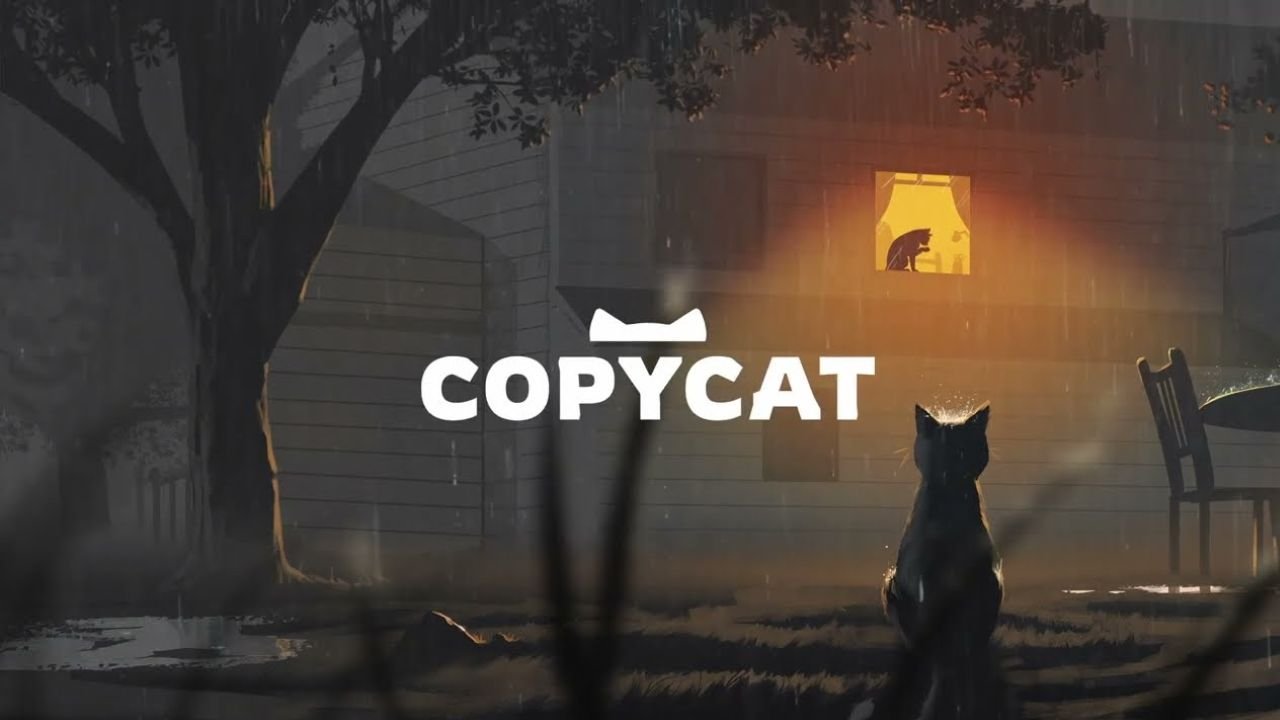
Many modern indie games try to tug at emotions, but only a few manage to stay with you long after the credits roll. Copycat is one of those rare narrative-driven experiences that looks simple on the surface but slowly unfolds into something emotionally layered and surprisingly heavy. At first glance, it appears to be a cozy cat adventure—something light, playful, and comforting. But as players move forward, the game begins to challenge expectations with themes of identity, belonging, abandonment, and what it truly means to be “home.”
If you are searching for details like the Copycat game story, Copycat game review, or whether it is worth downloading on Steam or waiting for console release, you are likely trying to figure out if this emotional indie title deserves your time. The short answer: yes, but not in the way you might expect.
This article breaks down everything—story, gameplay, performance, platform availability, and honest impressions—so you know exactly what you are getting into before you play.
What Is Copycat Game?
Copycat is a narrative-focused indie adventure game where you play as a shelter cat navigating a shifting emotional world. It is not built around combat or complex mechanics. Instead, it focuses on exploration, storytelling, and emotional immersion.
Unlike traditional pet simulation games, Copycat is designed to make you feel uncomfortable at times—intentionally so. It uses the perspective of a cat to explore deeply human themes, creating a contrast between the innocence of the character and the heaviness of the story.
The game is primarily available on PC through Steam, with discussions around console releases including Nintendo Switch support, depending on publisher plans.
Copycat Game Story & Plot Explained
The Copycat game story begins in a shelter where the main character—a newly adopted cat—is introduced to a home that initially feels safe and warm. The player quickly learns basic movement, exploration, and interaction mechanics, but the real focus is emotional attachment.
Early in the game, the cat bonds with its human owner. The environment is cozy, filled with small routines: feeding, sleeping, and exploring a quiet household. However, the narrative gradually shifts. The owner’s attention changes, and the sense of security begins to fade.
Without spoiling key twists, the Copycat game plot explores what happens when that bond is disrupted. The game uses environmental storytelling instead of dialogue-heavy exposition. You understand the emotional changes through:
- Changes in lighting and home atmosphere
- Subtle behavioral shifts of the human character
- The cat’s growing isolation
- Symbolic dream-like sequences
One of the most impactful aspects is how the game frames abandonment—not as a single event, but as a slow emotional unraveling. This makes the experience feel personal, even for players who are not typically emotional about games.
Gameplay Experience: Simple but Intentional
Gameplay in Copycat is intentionally minimalistic. You control the cat in a third-person perspective, interacting with objects, exploring environments, and progressing through story triggers.
There is no combat system, skill tree, or inventory complexity. Instead, the mechanics are designed to keep you grounded in the role of a cat:
- Jumping onto furniture
- Walking, running, and climbing
- Interacting with objects like food bowls or toys
- Triggering narrative events through exploration
At times, you may find yourself simply wandering, which is intentional. The pacing forces you to observe your surroundings and absorb emotional cues.
Some players expecting a traditional “game loop” may feel it is too slow. However, those who appreciate narrative experiences like Stray or Gone Home will find Copycat more emotionally focused and reflective.
Visual Design & Sound Atmosphere
Visually, Copycat leans into a semi-stylized realism. Environments are grounded but softened with warm lighting and slightly exaggerated textures to reflect the cat’s perception of the world.
As the story progresses, visual tone shifts noticeably. Warm colors fade into colder palettes, and environments feel increasingly empty. This subtle transition is one of the strongest storytelling tools in the game.
The audio design deserves special mention. The soundscape includes:
- Ambient household noises (fans, footsteps, distant traffic)
- Subtle emotional music cues
- Realistic cat sounds that enhance immersion
The soundtrack is not overly dramatic. Instead, it supports the emotional tone quietly, allowing players to interpret feelings on their own.
Copycat Game Review: Strengths and Weaknesses
Strengths
1. Emotional storytelling
The game excels at making players feel connected to the protagonist without dialogue-heavy narration.
2. Unique perspective
Experiencing a human story through a cat’s perspective creates a fresh emotional lens.
3. Strong atmosphere
Lighting, sound, and pacing work together effectively.
4. Accessible gameplay
Anyone can pick it up and play without learning complex systems.
Weaknesses
1. Slow pacing
Players expecting action or puzzles may find it too quiet.
2. Limited replay value
Once you experience the story, there is little incentive to replay.
3. Short length
It is more of a narrative experience than a full-length game.
Overall, Copycat is best described as an emotional interactive story rather than a traditional video game.
Release Date & Download Information
Copycat was released on PC via Steam in 2024, following interest from indie game communities and narrative game fans.
The download process is straightforward:
- Open Steam
- Search for “Copycat”
- Purchase or download if available in your region
- Install and launch
At the time of writing, discussions about console availability—especially on Nintendo Switch—suggest possible future ports, but availability may vary depending on publisher decisions.
Always check official store listings for the most updated platform support.
Who Should Play Copycat?
This game is not for everyone, and that is important to understand before downloading.
You should play Copycat if you enjoy:
- Emotional narrative games
- Slow-paced storytelling experiences
- Games like Stray or Journey
- Symbolic and atmospheric storytelling
- Short but meaningful gameplay sessions
You may not enjoy it if you prefer:
- Fast-paced action games
- Competitive multiplayer experiences
- Complex mechanics or deep progression systems
Emotional Impact and Player Experience
What makes Copycat stand out is not what you do—but what you feel while doing it. The game uses simplicity as a tool for emotional depth.
Many players report that the story resonates more strongly if they have personal experience with pets or loss. However, even without that connection, the narrative is structured in a way that communicates emotion clearly.
It also raises subtle philosophical questions:
- What does loyalty mean in relationships?
- Can emotional attachment exist without understanding?
- How do animals interpret human inconsistency?
These ideas are never directly explained, but they linger after playing.
Final Verdict
Copycat is a quiet, emotional indie experience that succeeds more as storytelling art than traditional gameplay. It is not designed to challenge your reflexes or test your skills. Instead, it asks you to slow down and feel.
If you are looking for a meaningful narrative that stays with you after finishing it, Copycat is worth your time. If you want action, systems, or replay-heavy mechanics, it may feel too minimal.
In the growing world of emotional indie games, Copycat stands out as a reminder that simplicity can still carry powerful storytelling weight.