

Wild Hearts Review Gameplay Honest Verdict
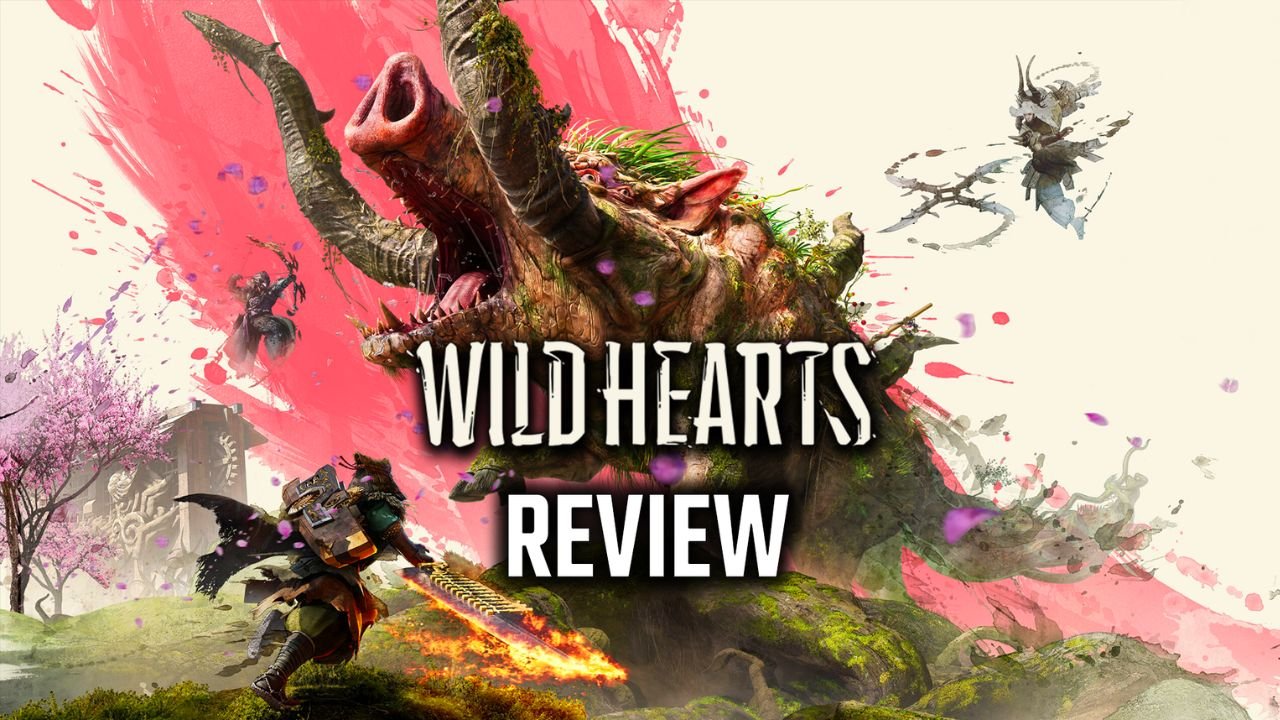
When players search for a Wild Hearts review, they are usually trying to answer one simple question: is this game actually worth their time, or is it another flashy action title that fades after a few hours? That concern makes sense, especially in a crowded monster-hunting genre dominated by long-standing franchises.
Developed by Wild Hearts from Omega Force and published under EA Originals, the game promises large-scale monster battles combined with a unique building mechanic called “Karakuri.” On paper, it sounds like a fresh twist on familiar hunting gameplay—but real player experience matters more than marketing.
At the same time, confusion often arises with Sayonara Wild Hearts, a completely different title known for its emotional soundtrack and stylized rhythm gameplay. Both share similar names, which leads to mixed search intent, especially when users look for “Wild Hearts review scores” or “review roundup Xbox performance.”
This article breaks everything down clearly—gameplay experience, performance across platforms, critic impressions, embargo expectations, and whether the Xbox version truly matches expectations.
What Wild Hearts Actually Is
At its core, Wild Hearts is a monster-hunting action RPG where players track massive creatures known as Kemono. Unlike traditional hunt-and-gear loops, this game adds a construction system that changes combat dynamically.
The Karakuri system lets players build traps, springboards, shields, and even automated weapons during fights. This is where the game tries to stand apart from genre giants.
In real gameplay terms, the first few hours feel overwhelming. You’re learning combat timing, monster patterns, and construction mechanics simultaneously. Unlike more methodical games, Wild Hearts pushes aggression and improvisation.
Where it succeeds:
- Fast-paced monster battles with scale
- Creative freedom in combat tools
- Distinct Japanese fantasy-inspired environments
Where it struggles:
- Learning curve can feel steep
- Performance inconsistencies in some builds
- UI complexity during combat moments
Gameplay Experience: The Real Feel
The most important part of any Wild Hearts review is how it actually feels to play.
Combat is weighty but not slow. Weapons like the Nodachi or Bow require timing and patience, while Karakuri tools inject sudden bursts of strategy. For example, placing a tower mid-fight to launch yourself into a monster’s weak point creates cinematic moments that feel earned rather than scripted.
However, the system can also overwhelm new players. Early encounters often end in confusion—not because the game is unfair, but because it expects experimentation.
A typical mid-game loop looks like this:
- Track monster behavior
- Build a strategic setup using Karakuri
- Engage in extended battle phases
- Adjust tactics mid-fight based on destruction patterns
This is where Wild Hearts shines. It’s less about memorizing combos and more about reacting creatively.
Wild Hearts Review Scores & Critic Consensus
Across major review outlets, Wild Hearts generally landed in the mid-to-high 70s range, with some variation depending on platform performance and reviewer expectations.
Common critic observations include:
- Praise for innovative building mechanics
- Appreciation for monster design scale
- Criticism of performance issues at launch
- Mixed feedback on progression pacing
Most Wild Hearts review roundup summaries agree on one point: the game is ambitious, sometimes uneven, but genuinely inventive.
Unlike polished genre leaders, it feels like a bold experiment that succeeds more often than it fails—but not without technical hiccups.
Xbox Version Performance Breakdown
The Xbox Series X/S release became a key search topic for “Wild Hearts review Xbox,” especially after its staggered launch.
On Xbox Series X:
- Stable performance in most combat zones
- Occasional frame drops during heavy particle effects
- Visual clarity slightly lower than high-end PC settings
On Xbox Series S:
- Noticeable reduction in resolution
- More frequent performance dips in large battles
- Still fully playable, but less smooth in chaotic fights
Importantly, post-launch updates improved stability over time, but the experience still depends heavily on expectations. If you’re coming from high-end PC gameplay, you’ll notice differences. If you’re used to console action RPGs, it remains solid.
Embargo and Launch Expectations
The Wild Hearts review embargo followed a standard pre-release pattern: critics received early access a few days before launch to publish reviews close to release day.
This is important because embargo timing often shapes early perception. In this case, many reviews highlighted the same concerns at once—performance inconsistencies and steep system learning curves—while also praising innovation.
Embargo cycles like this are common in major EA Originals releases, where publishers aim to balance transparency with controlled rollout of reviews.
What Makes Wild Hearts Stand Out
Despite mixed technical feedback, Wild Hearts has a few standout strengths that keep it relevant:
1. Karakuri System Innovation
The ability to build combat structures mid-fight changes the pacing of encounters dramatically.
2. Monster Design Identity
Kemono creatures feel more like living ecosystems than traditional bosses.
3. Co-op Strategy Depth
Playing with others transforms battles into coordinated construction warfare rather than simple damage races.
4. Environmental Variety
Each region introduces different traversal and combat challenges that influence strategy.
Where the Game Falls Short
No honest review can ignore its flaws:
- Performance inconsistency across platforms
- UI clutter during high-intensity combat
- Repetitive grind in late progression
- Occasional balance spikes in difficulty
These issues don’t break the game, but they affect long-term engagement for some players.
Sayonara Wild Hearts Comparison Confusion
Many users searching “Wild Hearts review” actually land on content related to Sayonara Wild Hearts.
It’s important to clarify: these games are completely unrelated.
While Wild Hearts focuses on monster hunting and crafting combat tools, Sayonara Wild Hearts is a short, stylized rhythm experience built around music and emotional storytelling.
If you came expecting one and found the other, the difference in tone and gameplay is massive.
Who Should Play Wild Hearts?
This game is best suited for:
- Players who enjoy Monster Hunter-style combat loops
- Gamers who like experimenting with systems mid-fight
- Co-op groups looking for strategy-heavy boss fights
It may not be ideal for:
- Players sensitive to performance drops
- Those who prefer linear action games
- Gamers looking for minimal learning curves
Final Verdict
Wild Hearts is not a perfect game, but it is a creative one. It tries to reinvent monster-hunting combat with real-time construction mechanics, and while it doesn’t always land cleanly, the ambition is clear.
The best way to describe it is this: when everything clicks—combat timing, Karakuri placement, team coordination—it delivers moments that feel genuinely new in the genre. When it doesn’t, the rough edges become obvious.
Still, in a market full of safe design choices, Wild Hearts takes risks. And that alone makes it worth discussing, even if it won’t replace genre leaders for everyone.
Outing Club we explore gaming trends, gameplay experiences, and the latest titles that shape the gaming world. We bring simple insights and updates to help gamers enjoy and understand their favorite games better.