

Wolcen: Lords of Mayhem – A Practical Guide
If you start Wolcen: Lords of Mayhem expecting a typical action RPG with a warrior, mage, or rogue class waiting on the character screen, the first few hours can feel surprisingly open—and slightly confusing. There is no traditional class lock, your weapons influence which skills you can use, and the Gate of Fates passive system gives you far more freedom than a conventional skill tree. That freedom is exciting, but it also creates an easy trap: spreading your character across too many damage types, passives, and equipment bonuses before you understand how they interact.
This guide focuses on the practical side of Wolcen: how its progression actually works, how to build a character without wasting resources, how combat rewards movement, and what changes when you reach the endgame. It also explains several less obvious mechanics that can make the difference between a character that feels powerful and one that constantly struggles. Whether you are starting the campaign, returning after a long break, or trying to understand Champion of Stormfall, the goal is simple: help you make better decisions instead of copying a build without understanding why it works.
What Is Wolcen: Lords of Mayhem?
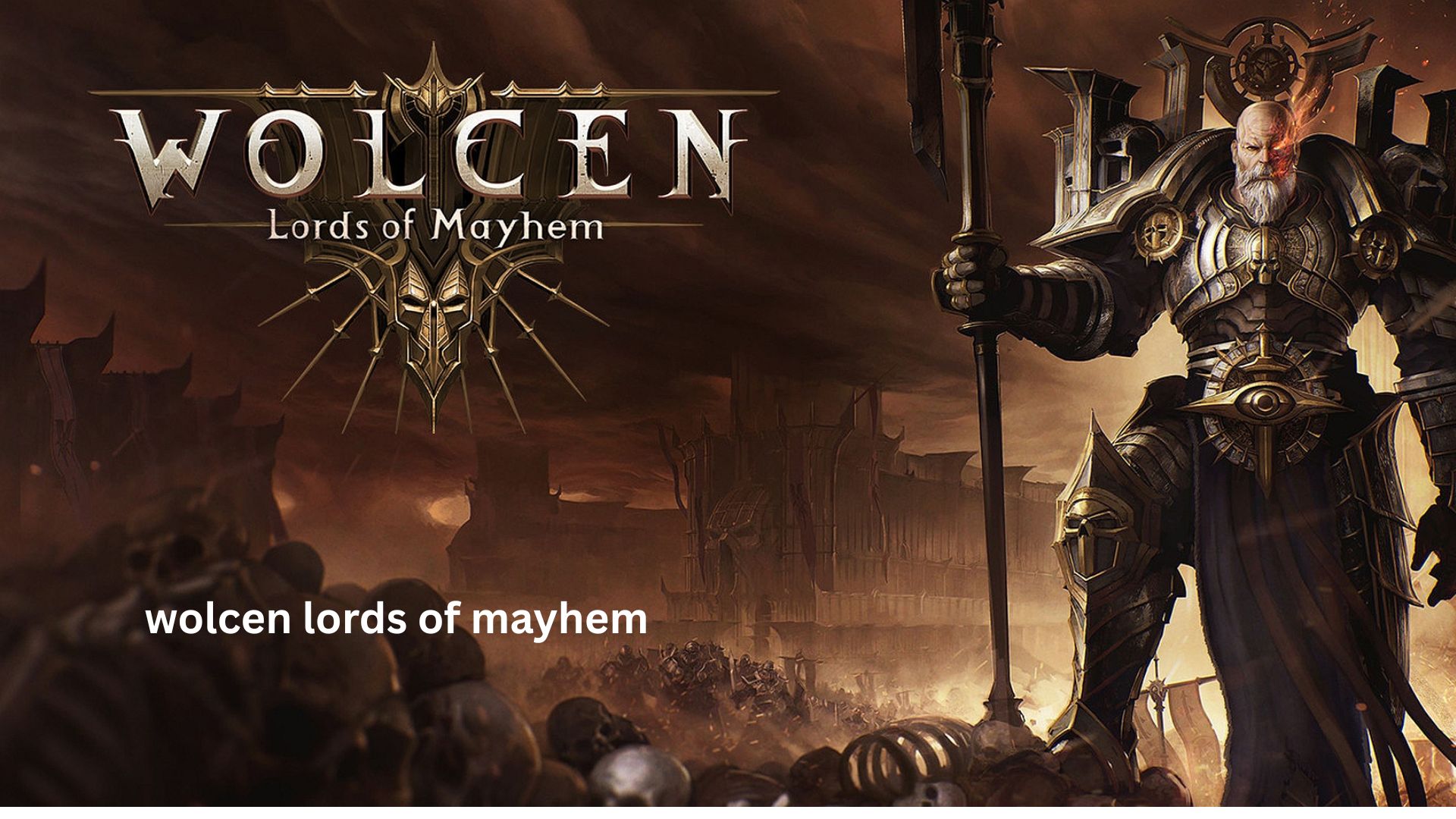
Wolcen: Lords of Mayhem is an action RPG built around fast combat, customizable skills, flexible character development, loot, and a classless progression system. Rather than choosing a permanent class such as Barbarian or Wizard, you develop your character through weapons, active skills, attributes, equipment, and the rotating Gate of Fates passive tree.
The game combines several familiar ARPG ideas but gives them a distinctive structure.
You can:
- Fight with melee, ranged, or magical abilities.
- Dodge attacks actively instead of relying entirely on passive defenses.
- Customize skills with modifier points.
- Change your character’s passive specialization through the Gate of Fates.
- Use Rage and Willpower as interconnected resources.
- Collect equipment with different offensive and defensive properties.
- Transform into powerful Aspects of Apocalypse.
- Progress into a repeatable endgame centered around Stormfall.
That combination is what makes Wolcen interesting. It is less about selecting a class at the beginning and more about gradually deciding what kind of combat system you want your character to become.
How the Classless System Really Works
One of Wolcen’s biggest strengths is also one of its biggest sources of confusion.
There is no strict class system. Your equipment and skill choices determine your effective playstyle, while the passive tree lets you reinforce that direction. The game currently describes 21 themed class segments within its rotating Gate of Fates system.
For example, you might begin with a melee weapon and gradually develop toward a bruiser-style character. Later, you may discover a spell or ranged ability that works extremely well with your resource generation or critical-hit setup.
That flexibility is useful, but don’t interpret “classless” as “everything works equally well together.”
A practical rule is:
Choose a primary combat identity first, then make the rest of your character support it.
A character trying to simultaneously maximize melee damage, spell damage, critical hits, ailment effects, and ranged attacks usually becomes less effective than a focused character with one strong damage engine.
Pick a Core Damage Pattern
Before spending heavily on passives, ask yourself:
- What ability actually kills enemies?
- What resource does that ability consume?
- How do I generate or recover that resource?
- What defensive mechanic keeps me alive while using it?
- Which stats improve that ability most directly?
Once you can answer those five questions, your build becomes much easier to understand.
Understanding the Gate of Fates
The Gate of Fates is Wolcen’s rotating passive skill system. It consists of concentric rings that can be rotated, allowing you to connect different sections and create unusual combinations of passive bonuses.
This is more important than it initially appears.
In many ARPGs, the passive tree tells you exactly where your character is going. Wolcen instead lets you manipulate the route. That means two characters using similar active skills can end up with noticeably different mechanics.
Don’t Chase Every Major Node
A common beginner mistake is looking for the most impressive-looking major passive and building toward it immediately.
Instead, consider the entire route.
A powerful major node may not be worth taking if reaching it requires several weak nodes that contribute almost nothing to your actual build.
A more efficient approach is:
- Identify two or three major effects that directly support your skill.
- Look at the minor nodes required to reach them.
- Compare the total benefit of the route.
- Rotate the Gate of Fates to find a more efficient connection.
- Reassess your choices when your main skill or equipment changes.
The important lesson is that the path matters almost as much as the destination.
Active Skills and Modifier Trees
Wolcen allows active skills to develop their own modifier systems. As skills progress, you can spend modifier points on effects that can alter damage, utility, buffs, debuffs, and even the way an ability functions.
This creates one of the game’s most enjoyable build-crafting opportunities.
Two players can use the same basic skill but customize it for very different purposes.
One version might prioritize:
- Area damage
- Resource efficiency
- Crowd control
Another might prioritize:
- Single-target damage
- Critical effects
- Faster execution
This means you should not judge a skill solely by its basic description.
Test Skills Before Committing
One practical advantage of Wolcen’s flexible system is that experimentation is encouraged. Skill modifiers can be changed, so you do not need to treat every early choice as permanent.
If a skill feels weak, change its modifiers before immediately abandoning it.
Sometimes the problem isn’t the skill itself. The problem is that its modifiers, passive bonuses, attributes, and equipment are pulling in different directions.
Rage, Willpower, and Stamina
Wolcen’s combat is also shaped by its resource system.
Rage and Willpower interact through what the game calls the Resource Opposition System, while Stamina supports movement through dodge rolls.
This matters because combat is not simply about having enough mana or energy to cast an ability.
You need to think about the rhythm of your character.
For example, a spell-heavy character may generate Rage through certain actions and then use that Rage to activate abilities that consume it. A melee-focused setup may create a different rhythm between attacks, resource generation, and movement.
The Practical Lesson
Don’t build around damage alone.
If your strongest attack constantly leaves you without the resource needed to continue fighting, its theoretical damage becomes much less important.
A slightly weaker skill that you can use consistently can outperform a powerful skill that repeatedly forces you into downtime.
This is one of the less obvious lessons in Wolcen: resource flow is part of your damage output.
Why Dodging Matters More Than Beginners Expect
Wolcen uses active dodge mechanics and telegraphed enemy attacks. Enemies can signal dangerous abilities through animations and area indicators, giving attentive players opportunities to reposition rather than simply absorb damage.
This changes how defensive play should be approached.
Instead of asking only:
“How much armor do I have?”
also ask:
“How often can I avoid taking damage completely?”
During difficult encounters, movement can be more valuable than another small offensive upgrade.
A useful combat habit is to avoid standing still while waiting for an enemy attack. Attack, reposition, observe the enemy’s animation, and move through the dangerous area when necessary.
The dodge is not merely an emergency button. It is part of the game’s combat language.
Choosing Equipment Without Getting Overwhelmed
Loot can quickly fill your inventory, particularly when you are progressing through the campaign.
The mistake is trying to compare every number on every item.
Instead, establish a hierarchy.
First, Look for Build-Relevant Stats
Ask whether an item improves the things your character actually does.
A weapon with a larger basic number isn’t automatically better if your build depends on a different damage mechanism.
Then consider:
- Damage type
- Critical-related bonuses
- Resource interaction
- Attack or casting speed
- Health and defensive values
- Resistances
- Skill-related bonuses
- Affixes that directly support your primary ability
A useful approach during leveling is to replace equipment when you notice a meaningful improvement rather than obsessively searching for perfect items.
Perfect gear matters much more when you are deliberately pushing endgame content.
A Better Way to Level Through the Campaign
The campaign is where you should learn your character, not where you should try to create a perfect endgame build.
During leveling, concentrate on three things:
1. Establish one reliable damage source.
You want an ability that works against both ordinary enemies and tougher targets.
2. Build a dependable defensive layer.
Health, resistances, mobility, or other defensive mechanics should prevent ordinary mistakes from becoming instant deaths.
3. Keep your resource cycle comfortable.
If your rotation feels awkward, fix it before increasing difficulty.
The campaign gives you opportunities to discover which mechanics feel natural to you. Take advantage of that.
Aspects of Apocalypse: Save Them for a Reason
Wolcen allows characters to transform into powerful Aspects of Apocalypse, each with its own abilities. The transformation functions as a major burst of power rather than simply another ordinary skill.
One mistake is using the transformation whenever it becomes available just because it looks powerful.
A better approach is to treat it as a tactical resource.
Use it when:
- A boss enters a dangerous phase.
- A large group of elite enemies appears.
- Your normal rotation is temporarily ineffective.
- You need a controlled burst of damage.
- A difficult encounter is likely to overwhelm your normal defenses.
The ability becomes more valuable when it solves a specific problem rather than simply adding more damage to an already easy fight.
What Happens After the Campaign?
The endgame changes the purpose of your character.
Wolcen’s Champion of Stormfall system revolves around continuing activities, improving Stormfall, completing operations, and pushing increasingly difficult content. Later updates also expanded the endgame with the War Table and additional activities.
This is where many returning players can become confused because Wolcen’s endgame systems have changed substantially over its lifetime.
The game’s later endgame introduced additional systems surrounding Ahriman, Lieutenants, Operations, difficulty progression, and Stormfall development.
Stormfall Is More Than a Menu
Stormfall effectively turns progression into a second layer of character development.
Your activities can generate resources and productivity used to advance projects and unlock useful bonuses. Earlier versions of the system included benefits such as additional skill capacity, improved rewards, and other progression advantages.
This creates an important endgame principle:
Don’t measure a run only by the items that drop.
A run can also be valuable because it advances your wider progression.
How to Approach Endgame Farming
Once your build becomes stable, efficiency becomes more important.
A good farming session should have a purpose.
For example:
- Farming equipment? Prioritize activities that produce strong loot opportunities.
- Improving Stormfall? Focus on the resources needed for your next project.
- Testing a build? Choose content difficult enough to expose weaknesses.
- Preparing for a boss? Improve survivability before chasing another small damage increase.
- Pushing difficulty? Remove unnecessary build complexity.
This prevents the common ARPG problem of spending hours playing without knowing what you are actually trying to improve.
Common Wolcen Mistakes to Avoid
1. Building Around Too Many Damage Types
Flexibility is attractive, but excessive specialization in unrelated mechanics can dilute your character.
Pick a primary damage strategy and support it.
2. Ignoring Defense Until Endgame
A character that kills quickly but dies to ordinary attacks is not truly efficient.
Defensive planning should begin during leveling.
3. Copying a Build Without Understanding It
A build guide can tell you what to equip, but it may not explain why those choices work together.
If your version has different weapons, modifiers, or passive connections, blindly copying the final numbers can produce disappointing results.
4. Treating Every Upgrade as Permanent
Wolcen’s systems are designed around experimentation. Skill modifiers and passive choices can be adjusted, so don’t be afraid to test alternatives.
5. Spending Too Long Comparing Minor Gear Upgrades
If replacing one item increases your damage by a tiny amount but makes your defenses worse, it may not actually be an upgrade.
Look at the whole character, not one number.
Three Less-Obvious Lessons About Wolcen
Your Build Is a System, Not a Skill
The strongest characters aren’t necessarily using the strongest individual ability.
They are creating a loop where skills, resources, passives, equipment, and movement reinforce one another.
That is why a modest-looking skill can suddenly become excellent when the surrounding mechanics are aligned.
Mobility Is an Offensive Stat
Dodging is usually described as defense, but avoiding an attack also keeps you attacking.
If you spend less time recovering from damage, repositioning, or running away from dangerous areas, you spend more time dealing damage.
In practical play, mobility can therefore increase effective damage even when it does not appear on the damage sheet.
The Best Early Build Is Often the One You Understand
During leveling, chasing a mathematically perfect build can make the game harder to learn.
A simple setup that you understand is often more useful than a complicated build copied from an endgame character.
Once you understand how your resources, modifiers, and passive choices interact, optimizing becomes much easier.
Is Wolcen: Lords of Mayhem Still Worth Playing?
That depends on what you want from an ARPG.
Wolcen is particularly appealing if you enjoy:
- Flexible character development
- Experimenting with skills
- Classless builds
- Fast combat
- Loot-driven progression
- Customizable passive systems
- A substantial campaign
- Endgame experimentation
Its biggest appeal is not that it has the deepest system in every individual category. It is the way several systems interact to let you build unusual characters.
Players expecting a perfectly streamlined, endlessly supported live-service ARPG may have a different experience from someone looking for a flexible action RPG they can explore at their own pace.
FAQ
Is Wolcen: Lords of Mayhem class-based?
No. Wolcen uses a classless character-development system. Your weapons, active skills, attributes, equipment, and Gate of Fates choices determine how your character plays rather than locking you into a traditional class.
What is the Gate of Fates in Wolcen?
The Gate of Fates is Wolcen’s rotating passive skill tree. It contains multiple themed sections arranged across concentric rings, and players can rotate sections to create different connections between passive areas. This allows considerable freedom when developing a build.
What is the best way to build a character in Wolcen?
Start with one primary damage strategy and build your resources, passives, equipment, and defensive mechanics around it. Avoid trying to maximize every type of damage simultaneously. A coherent build with good resource flow is usually easier to play and improve than a character with several unrelated strengths.
What happens after finishing the Wolcen campaign?
The later game opens additional progression through systems centered around Stormfall, operations, and increasingly challenging content. The endgame has also evolved through major updates, including the War Table and later Ahriman-related systems.
Are Wolcen skills customizable?
Yes. Skills can be developed through modifier choices that can alter their damage, utility, effects, and mechanics. This is one of the main reasons two characters using the same basic ability can play very differently.
Is Wolcen good for players who like experimenting with builds?
Yes, particularly if you enjoy testing combinations instead of following a rigid class structure. The combination of skill modifiers, weapon restrictions, flexible passives, equipment, and resource interactions gives you plenty of room to experiment. The key is to change one part of the build at a time so you can understand what actually improved it.
Conclusion
Wolcen: Lords of Mayhem works best when you stop thinking of it as a game where you simply select a class and collect stronger equipment. Its real strength is the interaction between weapons, skills, modifiers, resources, passive nodes, movement, and equipment.
For a smoother experience, start with a clear combat identity, build around one dependable damage engine, keep your resource generation comfortable, and treat defense and mobility as part of your overall performance rather than afterthoughts. Once you reach the endgame, give your Stormfall progression a purpose instead of farming randomly.
Most importantly, experiment. Wolcen gives you enough flexibility to discover a playstyle that feels like your own, and understanding why a build works is ultimately more useful than memorizing somebody else’s skill tree.