

Tekken 8 Collector’s Edition: Is It Worth Buying?
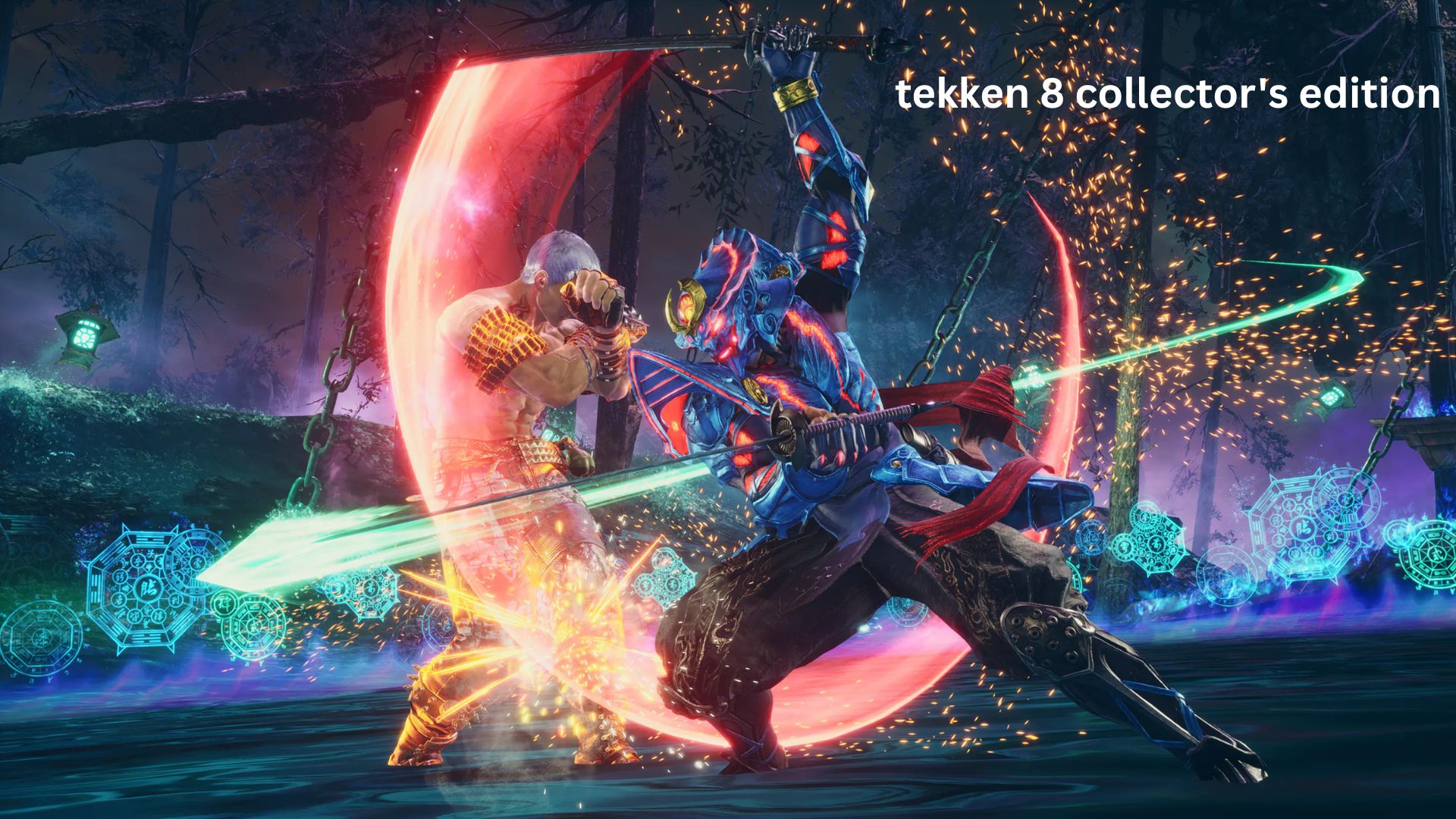
If you’re thinking about buying the Tekken 8 Collector’s Edition, you’re probably asking one simple question: Is it actually worth the extra money? With collector’s editions becoming more expensive every year, many gamers don’t want to spend hundreds of dollars on items that end up collecting dust. At the same time, dedicated Tekken fans know that limited editions can become valuable collectibles over time, making the decision even more difficult.
The Tekken 8 Collector’s Edition is designed for players who want more than just the base game. It combines exclusive physical collectibles with premium digital content, creating a package aimed at longtime fans of the legendary fighting franchise. But whether you’re a casual player, a competitive fighter, or a serious collector, the value depends on what you expect from the purchase.
In this guide, you’ll learn exactly what’s included, who should buy it, how it compares to other editions, its long-term collector value, and practical advice before spending your money. Rather than simply listing features, we’ll look at the experience of owning the edition and whether it truly justifies its premium price.
What Is the Tekken 8 Collector’s Edition?
The Tekken 8 Collector’s Edition is the highest-tier retail package released alongside the game. Unlike the Standard or Deluxe Editions, it focuses heavily on physical collectibles while also including digital bonuses.
Although availability varies by region and retailer, the Collector’s Edition generally includes:
- Full copy of Tekken 8
- Exclusive Jin Kazama vs. Kazuya Mishima statue
- Metal ring inspired by the game
- SteelBook case
- Art cards
- Collector’s packaging
- Character costumes and digital bonus items
- Season Pass (depending on version)
The biggest attraction is undoubtedly the premium-quality statue, which recreates one of the most iconic rivalries in fighting game history.
Who Is This Edition Really For?
One of the biggest mistakes buyers make is assuming every Collector’s Edition offers good value.
The Tekken 8 Collector’s Edition makes the most sense if you belong to one of these groups.
Long-Time Tekken Fans
Players who have followed Tekken since Tekken 3, Tekken Tag Tournament, or Tekken 5 often appreciate physical memorabilia much more than newer players.
The statue isn’t just merchandise—it celebrates decades of franchise history.
Serious Collectors
Collectors usually value:
- Limited production numbers
- Official Bandai Namco merchandise
- Premium packaging
- Display-quality collectibles
These items often become difficult to find after launch.
Display Enthusiasts
If your gaming room already includes statues from franchises like Resident Evil, Street Fighter, Final Fantasy, or Elden Ring, the Tekken 8 Collector’s Edition fits naturally into that collection.
Players Who Prefer Digital-Only Gaming
Ironically, this group benefits the least.
If you only care about:
- Playing online
- Ranked matches
- Story mode
The Standard or Deluxe Edition often provides better value.
Everything Included Explained
Instead of simply naming each item, let’s look at why each one matters.
Premium Statue
The centerpiece is the Jin vs. Kazuya battle statue.
Unlike cheaper collector statues that use lightweight materials or simple poses, this one captures one of Tekken’s defining moments with dynamic action and detailed sculpting.
Collectors usually judge statues based on:
- Paint quality
- Character likeness
- Base design
- Durability
- Limited availability
This statue performs well across those categories.
SteelBook Case
SteelBooks remain one of the most popular collector items because they’re durable and exclusive.
Many collectors actually display SteelBooks separately from game shelves due to their artwork.
Metal Ring
The included ring isn’t meant to replace jewelry.
Instead, it’s designed as a display collectible referencing Tekken’s lore and aesthetic.
Fans appreciate these smaller premium items because they’re unique to Collector’s Editions.
Art Cards
Art cards showcase official promotional artwork that usually isn’t available elsewhere.
They’re simple items, but many collectors frame them or keep them preserved inside protective sleeves.
Digital Bonuses
Depending on the platform and retailer, buyers may receive:
- Character costumes
- Avatar customization items
- Exclusive skins
- Season Pass content
These bonuses mainly appeal to active online players.
How It Compares to Other Editions
| Feature | Standard | Deluxe | Collector’s |
|---|---|---|---|
| Base Game | ✔ | ✔ | ✔ |
| Digital Bonuses | Limited | More | Complete |
| Season Pass | Usually Included | Yes | Yes (varies) |
| SteelBook | No | Sometimes | ✔ |
| Statue | No | No | ✔ |
| Art Cards | No | No | ✔ |
| Display Items | No | No | ✔ |
The Collector’s Edition isn’t about gameplay advantages.
You’re paying primarily for exclusive physical collectibles.
Is the Statue High Quality?
For many buyers, the answer determines the entire purchase.
From a collector’s perspective, the statue stands out because it captures movement instead of static posing.
Small details matter:
- Facial expressions
- Clothing textures
- Energy effects
- Battle stance
- Sculpt accuracy
These elements separate premium collector statues from ordinary merchandise.
While it may not reach the craftsmanship of extremely high-end resin statues costing several hundred dollars, it’s well above the quality typically included in video game collector bundles.
Real-World Buying Experience
One thing experienced collectors learn is that the excitement doesn’t end when the package arrives.
Owning a Collector’s Edition involves:
- Finding display space
- Protecting packaging
- Avoiding sun damage
- Keeping the statue dust-free
- Preserving resale value
Many first-time buyers unknowingly throw away the original box. Later, if they decide to sell the collection, missing packaging can significantly reduce its value.
Keeping every insert, protective foam piece, and original box can make a noticeable difference years later.
This practical consideration is often overlooked in buying guides.
Does the Collector’s Edition Increase in Value?
There is no guarantee.
However, several factors influence future value:
Positive Signs
- Limited production
- Popular franchise
- Strong community
- Premium statue
- Official licensing
Factors That Reduce Value
- Mass reprints
- Damaged packaging
- Missing accessories
- Opened collectibles in poor condition
Historically, many Tekken collectibles have maintained respectable resale interest, though appreciation varies depending on rarity and condition.
Anyone buying purely as an investment should understand that gaming collectibles are unpredictable. Enjoying the edition should always be the primary reason for purchasing it.
Practical Tips Before Buying
Here are several recommendations based on common collector experiences.
Buy Early If Possible
Collector’s Editions frequently sell out near launch.
Waiting too long often means paying reseller prices.
Verify Regional Contents
Different regions sometimes receive slightly different contents.
Always check exactly what’s included before ordering.
Inspect Immediately
After receiving the package:
- Check the statue for damage.
- Verify all accessories.
- Confirm digital codes work.
- Keep receipts.
If there’s an issue, it’s much easier to resolve soon after delivery.
Store the Box Carefully
Even if you display the statue, save:
- Outer box
- Internal inserts
- Plastic wrapping
- Protective foam
Future collectors often pay more for complete sets.
Common Mistakes Buyers Make
Many new collectors repeat the same mistakes.
Buying Only Because It’s “Limited”
Limited doesn’t automatically mean valuable.
Some Collector’s Editions remain easy to find years later.
Ignoring Available Space
Large statues require room.
Measure your display area before buying.
Expecting Gameplay Advantages
The Collector’s Edition doesn’t make you more competitive online.
Its value comes from exclusive collectibles rather than performance improvements.
Throwing Away Packaging
As mentioned earlier, original packaging matters much more than many buyers realize.
Two Unique Perspectives Most Reviews Miss
The Emotional Value Often Outlasts the Digital Content
Digital bonuses eventually lose relevance as games evolve, updates arrive, and online communities change. Physical collectibles, however, continue to represent a personal connection to a favorite series. Years later, the statue and SteelBook may evoke stronger memories than any exclusive costume or avatar item ever could.
Collector’s Editions Can Encourage Better Preservation Habits
Many players who buy their first premium edition begin taking better care of their gaming collections overall. They invest in shelves, protective cases, and proper storage for future purchases. In that sense, the Tekken 8 Collector’s Edition can become the starting point for a thoughtfully curated collection rather than just another game purchase.
Is the Tekken 8 Collector’s Edition Worth the Price?
The answer depends entirely on what you value.
If your primary goal is simply playing Tekken 8, the Standard or Deluxe Edition will likely satisfy you for much less money.
However, if you’re a longtime Tekken fan, enjoy collecting official merchandise, or appreciate display-quality gaming memorabilia, the Collector’s Edition offers something digital versions simply cannot replicate.
Rather than viewing it as paying extra for a game, think of it as purchasing a premium collectible that also includes the game.
That mindset helps explain why many fans consider it worthwhile despite its higher price.
FAQ
Does the Tekken 8 Collector’s Edition include the full game?
Yes. The Collector’s Edition includes the complete version of Tekken 8 along with exclusive physical collectibles and selected digital bonuses. Depending on your region or retailer, the included digital content may vary slightly. Always check the product listing before purchasing.
Is the Tekken 8 Collector’s Edition limited?
Yes, it is produced in limited quantities compared to the Standard Edition. While exact production numbers are not always publicly disclosed, availability generally becomes more limited after launch. This exclusivity is one reason collectors are interested in it.
Is the Tekken 8 Collector’s Edition worth buying for casual players?
Probably not if your main goal is simply playing the game. Casual players often receive better value from the Standard or Deluxe Edition. The Collector’s Edition is primarily aimed at fans who appreciate exclusive memorabilia and display items.
Can the collectibles increase in value over time?
They can, but there are no guarantees. Future value depends on demand, rarity, condition, and whether the complete original packaging is preserved. Buying it because you genuinely enjoy the collectibles is a safer approach than treating it as an investment.
Does the statue come assembled?
Most versions require only minimal assembly, such as attaching certain pieces to the base. The process is generally straightforward and doesn’t require tools. Following the included instructions helps avoid accidental damage.
Which edition of Tekken 8 offers the best overall value?
For most players, the Deluxe Edition provides a strong balance between gameplay content and price. The Collector’s Edition becomes the better choice if you place significant value on exclusive physical collectibles, premium presentation, and long-term display appeal.
Conclusion
The Tekken 8 Collector’s Edition is more than a premium game package—it’s a celebration of one of the most iconic fighting game franchises ever created. Its greatest strengths lie in the high-quality statue, exclusive collectibles, and the sense of ownership it gives dedicated fans. While it isn’t the most cost-effective option for everyone, it delivers lasting value to collectors and enthusiasts who appreciate physical memorabilia alongside their gaming experiences.
Before making your decision, consider how much you value collectibles versus gameplay alone. If displaying a piece of Tekken history excites you as much as mastering your favorite character, the Collector’s Edition is likely to be a purchase you’ll enjoy long after the final match.