

Battlefield 6 Review: Honest Gameplay Insights
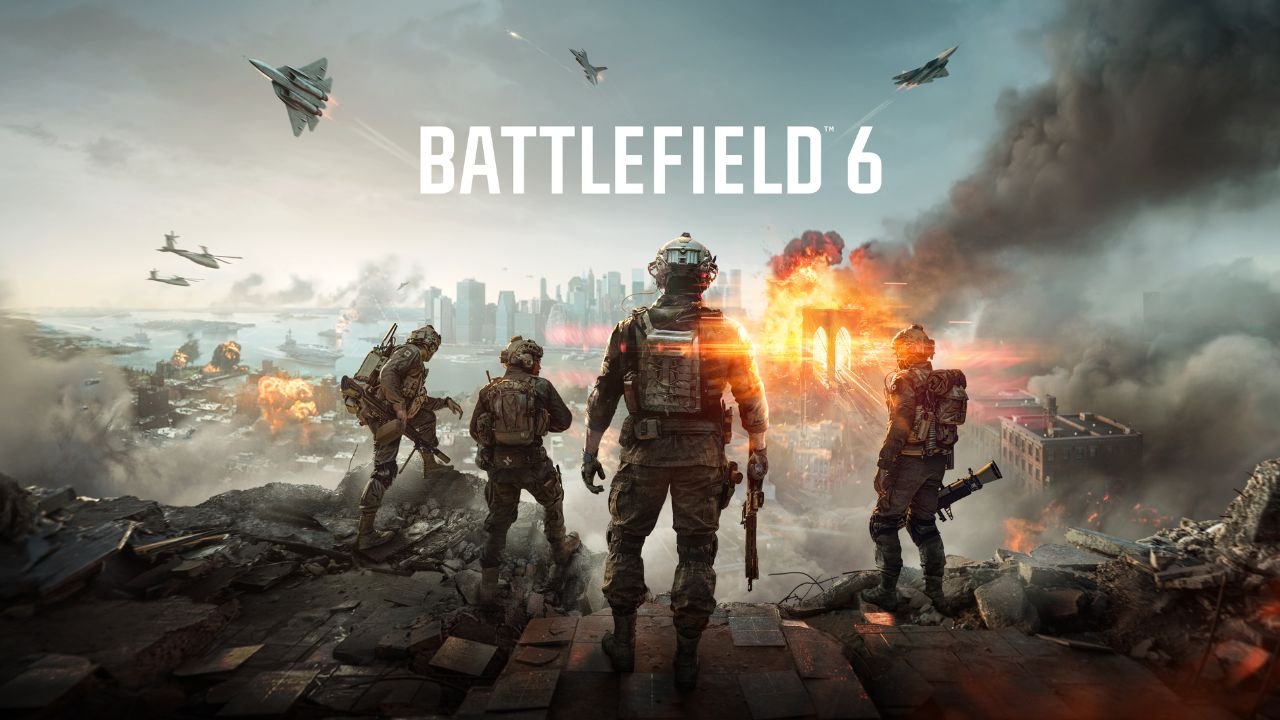
Every time a new Battlefield game is announced, the community reacts with a mix of excitement and caution. Excitement, because the series is known for massive battles, cinematic destruction, and large-scale warfare that few shooters can match. Caution, because recent entries—especially Battlefield 2042—left many players disappointed due to technical issues, missing features at launch, and a lack of the “classic Battlefield identity” fans remember.
So when people start searching for a “Battlefield 6 review,” what they’re really asking is simple: Has the franchise learned from its mistakes, and is it finally returning to form?
This article is written to help you understand exactly what Battlefield 6 aims to deliver based on current expectations, design direction, and the evolution of the series. Instead of exaggerated hype or blind criticism, we’ll focus on practical gameplay insights, realistic improvements, and what long-time Battlefield players actually care about—destruction, teamwork, map design, gunplay balance, and overall immersion.
Whether you’re a veteran who played Battlefield 3 and 4 or a newcomer curious about the franchise, this breakdown will help you decide if Battlefield 6 is worth your time, attention, and money.
What Battlefield 6 Tries to Be
Battlefield 6 is widely expected to act as a “return to roots” entry for the franchise. After the mixed reception of Battlefield 2042, the direction seems focused on rebuilding trust with the core fanbase.
Instead of pushing overly experimental systems, the design philosophy appears to lean back toward:
- Grounded modern warfare (similar to Battlefield 3/4)
- Strong class-based teamwork
- More traditional map structure
- Improved destruction systems
- More stable launch experience (a major community demand)
In simple terms, Battlefield 6 is not trying to reinvent the shooter genre. It is trying to restore what made Battlefield popular in the first place: chaos that feels controlled, teamwork that matters, and battles that feel massive but still tactical.
Gameplay Experience: Large-Scale Chaos Done Right (Hopefully)
The biggest appeal of any Battlefield game is scale. Unlike typical 5v5 or 6v6 shooters, Battlefield thrives in 64 to 128-player environments where multiple fights happen simultaneously across land, air, and sea.
In Battlefield 6, the expected gameplay loop revolves around:
- Capturing and holding objectives
- Coordinated squad movement
- Vehicle dominance (tanks, helicopters, jets)
- Dynamic frontline shifts
What makes Battlefield different is that you are rarely fighting just one battle. You might be defending a flag while a tank rolls in from the left, a helicopter suppresses your position from above, and an enemy squad flanks from behind.
If Battlefield 6 successfully balances this chaos, it could deliver some of the most memorable multiplayer moments in modern gaming. However, balance is key—too much chaos leads to confusion, while too little makes it feel like any other shooter.
Gunplay and Combat Feel
Gunplay is one of the most debated aspects of modern Battlefield games.
Players expect:
- Recoil that feels realistic but controllable
- Weapon classes that actually feel different
- Strong time-to-kill balance
- Meaningful attachment customization
In Battlefield 6, the focus appears to be on improving consistency. One of the criticisms of previous titles was that gunplay sometimes felt inconsistent depending on server performance or weapon category.
A strong Battlefield experience should reward skill without making the game feel overly punishing. For example, assault rifles should dominate mid-range fights, while SMGs should excel in close quarters but struggle at distance.
When gunplay is done right in Battlefield, you don’t just shoot—you adapt. You reposition. You rely on teammates. That’s the core identity the series is trying to reclaim.
Map Design: The Heart of Battlefield
Map design is arguably more important than graphics or even gunplay in Battlefield.
A good Battlefield map should include:
- Multiple combat layers (infantry + vehicles + air combat)
- Clear but flexible objective zones
- Natural flanking routes
- Destructible environments that change strategy over time
One of the biggest lessons from Battlefield 2042 was that “too big” doesn’t always mean “better.” Empty space without meaningful cover leads to boring gameplay.
Battlefield 6 is expected to correct this by creating maps that feel:
- Dense enough for infantry combat
- Open enough for vehicle gameplay
- Structured enough to avoid confusion
Think of it like a living war zone rather than a static arena. When maps evolve during matches—buildings collapsing, roads opening, cover disappearing—the entire strategy changes. That is where Battlefield shines.
Destruction System: The Identity of Battlefield
If there is one feature that defines Battlefield more than anything else, it is environmental destruction.
The idea that a building you’re hiding in is no longer safe five seconds later is what creates tension and excitement.
In Battlefield 6, players expect:
- More consistent destruction across maps
- Tactical destruction (not just visual effects)
- Physics-driven collapse systems
- Meaningful impact on gameplay flow
For example, blowing up a wall should not just look cool—it should create a new flanking route or remove cover from an enemy squad.
When destruction is meaningful, every match feels different. When it is purely cosmetic, the magic disappears.
Multiplayer and Team Play
Battlefield has always been at its best when teamwork matters.
Unlike solo-focused shooters, success in Battlefield often depends on:
- Reviving teammates as a medic
- Supplying ammo as support
- Spotting enemies for your squad
- Coordinating vehicle pushes
Battlefield 6 is expected to reinforce this identity by improving squad systems and encouraging cooperation.
A strong squad in Battlefield can completely change the outcome of a match. A tank supported by engineers, medics, and recon players becomes a moving fortress. Without support, it becomes an easy target.
That balance between independence and teamwork is what gives Battlefield its unique identity.
Graphics, Sound, and Immersion
Visually, Battlefield has always been a leader in the FPS genre. Even older entries still hold up due to strong lighting, animation, and environmental detail.
Battlefield 6 is expected to push:
- Higher fidelity environments
- More realistic lighting and weather effects
- Improved soldier animations
- More immersive audio design
Sound design deserves special mention. In Battlefield, you don’t just see the war—you hear it. Distant explosions, incoming jets, collapsing structures, and nearby footsteps all contribute to situational awareness.
Good audio can literally save your life in Battlefield gameplay.
Performance and Technical Stability
One of the biggest concerns for players is launch stability.
Past Battlefield releases suffered from:
- Server issues
- Bugs at launch
- Optimization problems on PC and consoles
For Battlefield 6 to succeed, it must prioritize:
- Stable frame rates
- Reliable matchmaking
- Fewer launch-breaking bugs
- Cross-platform balance
No matter how good a game is conceptually, technical issues can ruin first impressions—and Battlefield 2042 proved that clearly.
Pros and Cons (Expected)
Pros:
- Large-scale battles that feel cinematic
- Strong potential for improved destruction
- Focus on classic Battlefield identity
- Team-based gameplay depth
- High-end graphics and sound design
Cons:
- Risk of imbalance at launch
- Possible server/optimization issues
- Steep learning curve for new players
- Dependence on team coordination (can frustrate solo players)
Should You Play Battlefield 6?
If you enjoy tactical shooters where chaos and teamwork blend together, Battlefield 6 is likely worth your attention.
However, if you prefer fast, solo-focused gameplay where individual performance dominates, you may find Battlefield less satisfying compared to games like Call of Duty or Apex-style shooters.
The key question is not whether Battlefield 6 is “good or bad,” but whether you enjoy large-scale warfare where unpredictability is part of the experience.
Final Verdict
Battlefield 6 represents more than just another FPS release—it represents a chance for the franchise to rebuild trust and return to its core identity. While expectations are high and skepticism is understandable, the direction seems focused on what made Battlefield special in the first place: massive battles, meaningful destruction, and teamwork-driven gameplay.
If executed properly, Battlefield 6 could become one of the strongest entries in the series. But its success will depend not just on features, but on polish, stability, and long-term support.
For now, the safest conclusion is this: Battlefield 6 has the potential to be great—but it must earn that status through execution, not promises.
Outing Club examines the life stories, family histories, and personal paths of famous individuals, giving readers a more in-depth view of the people behind news and media attention.