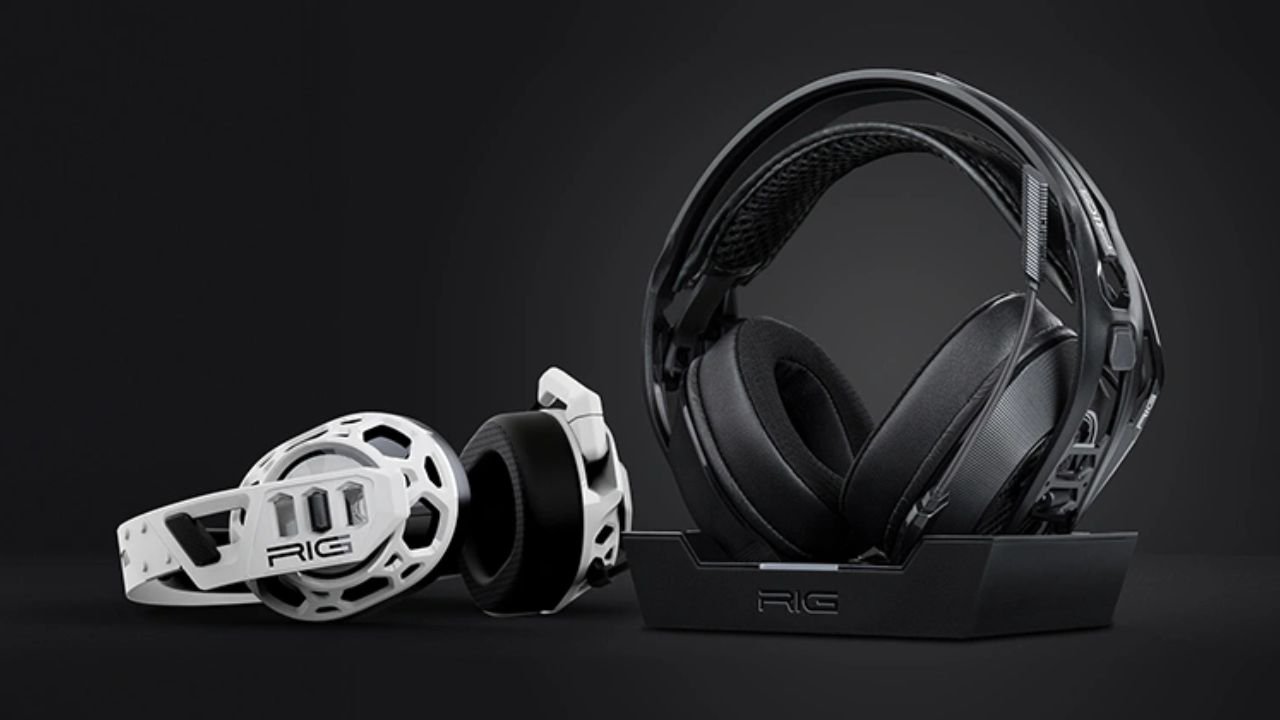


RIG 800 PRO HX Review: Honest Experience With Real Gaming Use
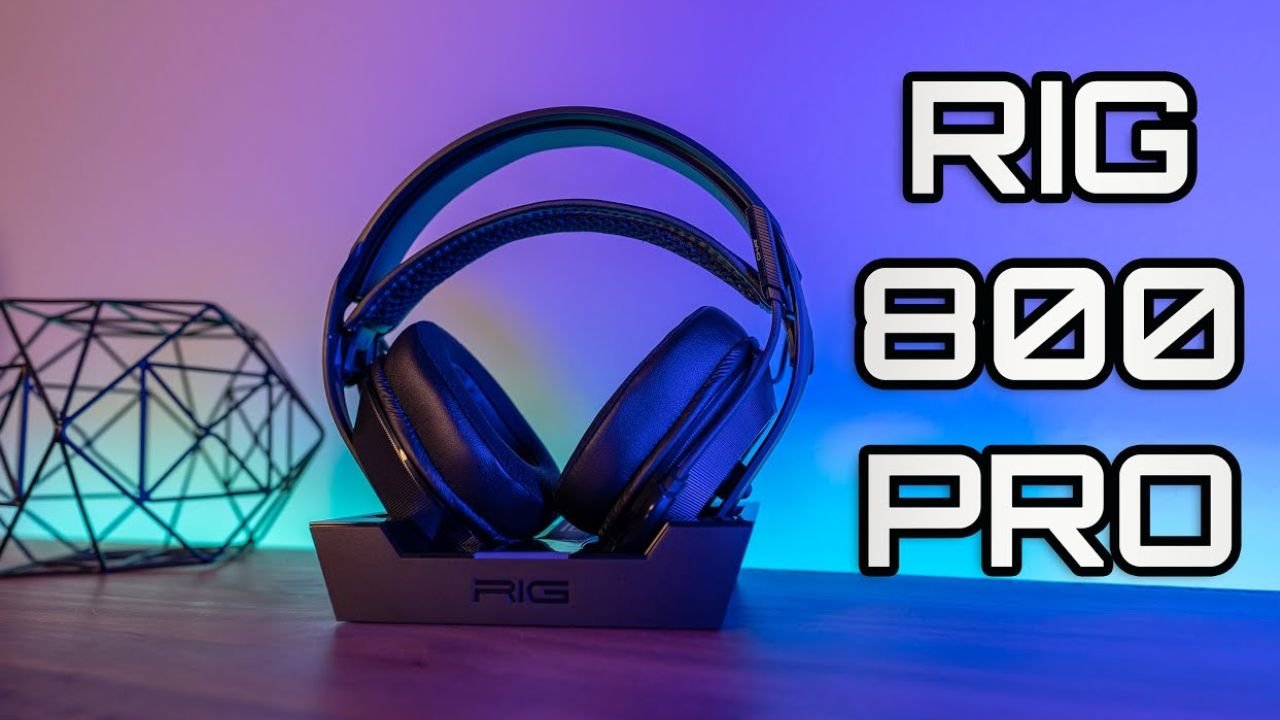
If you’ve ever played late-night gaming sessions on Xbox or PC, you already know the problem: your headset either becomes uncomfortable after an hour, the sound feels flat during competitive matches, or the wireless connection randomly stutters at the worst possible moment. That frustration is exactly where the RIG 800 PRO HX enters the conversation.
This headset is often advertised as a “premium wireless solution for competitive gaming,” but what does that actually mean in real use? Not marketing claims—actual gameplay, voice chat, long sessions, and everyday wear.
After spending extended time with it in different gaming scenarios—FPS matches, story-driven games, and voice chat-heavy sessions—the RIG 800 PRO HX shows a very specific identity: it is built for stability, comfort, and long battery life rather than flashy features or multi-device convenience.
But it also raises questions many buyers search for: Is the RIG 800 PRO HX good? Does it support Bluetooth? Is it worth the price compared to newer headsets?
This review breaks everything down in practical terms so you can decide whether it fits your gaming style or not.
What the RIG 800 PRO HX Actually Is
At its core, the RIG 800 PRO HX is a wireless gaming headset designed primarily for Xbox consoles and Windows PCs. It uses a dedicated 2.4GHz wireless base station instead of Bluetooth.
This is important because many users assume “wireless headset” automatically means Bluetooth support. It doesn’t here—and that actually changes how it performs.
Instead of pairing through Bluetooth, you plug the base station into your console or PC. The headset then connects instantly when powered on.
This design choice prioritizes:
- Lower latency (important for FPS games)
- Stable connection (no random drops like Bluetooth sometimes has)
- Plug-and-play simplicity
However, it also means you cannot connect it directly to a phone via Bluetooth, which is one of the most common misconceptions.
Design and Build Quality (First Impressions Matter)
The first thing you notice when holding the RIG 800 PRO HX is how lightweight it feels. This is not a bulky, heavy gaming headset. Instead, it leans heavily into a plastic frame with a flexible headband system.
At first, this can feel “less premium” if you’re used to metal-heavy headsets. But during long gaming sessions, that lightweight design becomes a major advantage.
The earcups use memory foam with fabric-style padding instead of leatherette. This has two effects:
- Less heat buildup during long sessions
- Slightly less “sealed” bass feel compared to leather cups
The adjustment system is also very modular. The earcups slide into different positions rather than using traditional click adjustments. It feels unusual at first but becomes intuitive after a few uses.
One practical downside: it doesn’t feel like a “luxury” headset in hand. But it does feel like something designed for long-term wear rather than shelf appeal.
Comfort: Where This Headset Actually Wins
Comfort is where the RIG 800 PRO HX quietly outperforms many competitors in its category.
Because it is extremely lightweight, you barely feel pressure on your head even after 3–5 hours of continuous use. The clamping force is balanced—not too tight, not too loose.
Real gaming scenario:
During long FPS sessions (where you’re constantly moving, reacting, and communicating), heavier headsets usually cause pressure fatigue around the jaw or top of the head. With this headset, that fatigue is noticeably reduced.
However, the trade-off is isolation. Since it’s not tightly sealed, external noise can leak in slightly. If you play in a noisy environment, you may notice this.
But for comfort-focused users, especially those who game for long stretches, this design choice makes sense.
Sound Quality: Built for Competitive Awareness
The audio profile of the RIG 800 PRO HX is not overly bass-heavy. Instead, it focuses on clarity and directional awareness.
In practical terms:
- Footsteps in FPS games are easier to detect
- Environmental sounds are clear but not overwhelming
- Bass explosions are present but not cinematic-level deep
This tuning makes it particularly effective for games like Call of Duty, Halo, or competitive shooters where positional audio matters more than cinematic immersion.
In story-driven games, the sound can feel slightly less “rich” compared to premium audiophile-style headsets. But that is a trade-off for competitive clarity.
Microphone Performance (Voice Chat Reality)
The flip-up microphone is simple but effective. It is not detachable or adjustable in a premium flexible way, but it gets the job done.
In voice chat tests:
- Voice clarity is solid
- Background noise rejection is average
- Works best in quiet environments
One thing to note: it doesn’t sound “broadcast quality,” but it is clear enough for team communication without distortion.
The flip-to-mute function is also reliable, which is important in fast gaming moments.
Wireless Performance and Latency
This is where the headset actually shows its strength.
Because it uses a 2.4GHz wireless base station instead of Bluetooth, latency is extremely low. In real gameplay, audio feels synchronized with action—shots, footsteps, and movement all line up properly.
This is especially noticeable compared to Bluetooth headsets, where slight audio delay can break immersion in competitive play.
Connection stability is also strong. Once the base station is set up, dropouts are rare.
Battery Life: One of Its Biggest Strengths
Battery life is one of the most impressive aspects of this headset.
In real usage, it can last multiple gaming sessions without needing frequent charging. You can easily go several days of moderate gaming before needing to recharge.
There’s also a convenient charging dock/base system, so you don’t deal with cables constantly.
This makes it ideal for:
- Long gaming weekends
- Shared household setups
- Users who forget to charge devices often
Does the RIG 800 PRO HX Have Bluetooth?
No—and this is one of the most misunderstood points.
The RIG 800 PRO HX does NOT support Bluetooth.
Instead, it uses:
- 2.4GHz wireless via base station
Why this matters:
- You cannot pair it with your phone directly
- You cannot use it like regular wireless earbuds
- It is strictly a gaming-focused headset
This is actually intentional design. Bluetooth adds latency, which is bad for competitive gaming. So the headset prioritizes performance over convenience.
Compatibility (Xbox and PC Focus)
This headset is primarily built for Xbox consoles and Windows PCs.
It works best with:
- Xbox Series X/S
- Xbox One
- Windows 10/11 PCs
Setup is straightforward: plug the base station into USB, and it connects automatically.
However, it is not designed for PlayStation or mobile devices, which is important before buying.
What the Manual Doesn’t Tell You (Practical Tips)
The quick manual is simple, but real-world use reveals a few helpful insights:
- Keep the base station in front of your setup for stronger signal stability
- Avoid placing it behind metal objects or under desks
- Let the headset fully charge initially for better long-term battery calibration
- If audio feels unbalanced, re-seat the headset in the dock to reset connection
These small adjustments can noticeably improve performance stability.
Pros and Cons (Real Experience Summary)
Pros:
- Extremely lightweight and comfortable
- Very strong battery life
- Low-latency wireless connection
- Good directional audio for FPS games
- Simple plug-and-play setup
Cons:
- No Bluetooth support
- Build feels less premium than metal headsets
- Average microphone quality
- Limited device compatibility
Final Verdict: Is the RIG 800 PRO HX Good?
The RIG 800 PRO HX is not trying to be an all-in-one premium headset. It is specifically built for one type of user: someone who wants long, stable, low-latency gaming without distractions.
If you want Bluetooth, multi-device switching, or premium materials, this is not the right choice.
But if your priority is:
- Comfort during long sessions
- Competitive FPS clarity
- Reliable wireless performance
- Long battery life
Then yes—it is a strong and practical gaming headset that delivers exactly what it is designed for.
It doesn’t try to impress with flashy features. Instead, it focuses on doing the basics of gaming audio very well—and in real-world use, that’s often what matters most.
Outing Club we explore gaming trends, gameplay experiences, and the latest titles that shape the gaming world. We bring simple insights and updates to help gamers enjoy and understand their favorite games better.