


Locate the Dead Drop Inside the Courtyard Arc Guide
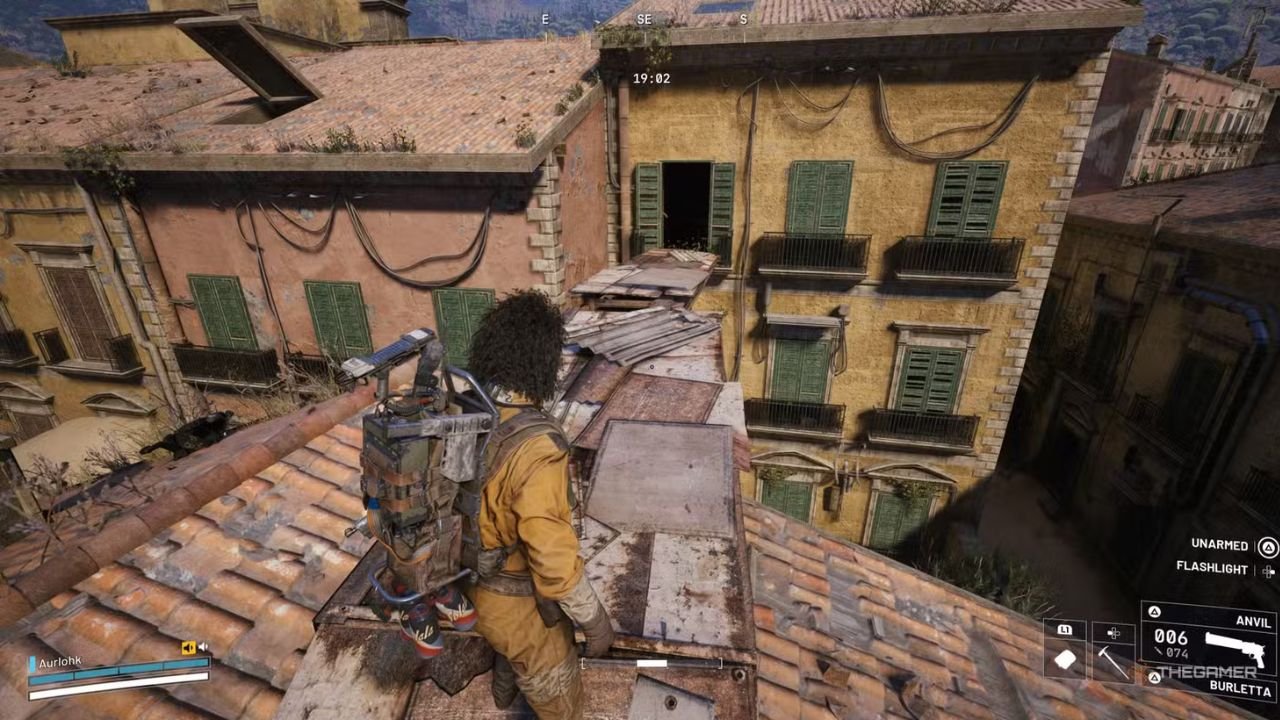
If you’ve been stuck trying to locate the dead drop inside the courtyard arc, you’re not alone. Many players hit this objective expecting a straightforward marker, only to end up circling the same courtyard again and again without finding anything useful. The frustration usually comes from how the game hides mission items in environmental details rather than obvious icons or glowing markers.
In most “Arc Courtyard” style missions, the dead drop isn’t placed in an open or easy-to-spot location. Instead, it’s tucked into overlooked corners, partial cover zones, or interactable props that blend into the environment. Players often miss it because they’re scanning for something visually loud—when in reality, the game rewards slow observation and pattern recognition.
This guide is written from a practical, in-game experience perspective. It breaks down how these dead drops are typically positioned, what visual cues you should watch for, and how to systematically search the courtyard without wasting time. Whether you’re stuck mid-mission or replaying for completion, this walkthrough will help you confidently track down the dead drop without relying on guesswork.
Understanding the “Courtyard Arc” Layout
Before you can successfully locate the dead drop inside the courtyard arc, you need to understand how this type of area is designed.
The “courtyard arc” section in most stealth or exploration missions usually follows a predictable structure:
- A central open courtyard space
- Surrounding walls with multiple entry points
- Small environmental cover objects (benches, crates, planters)
- One or two elevated access points like stairs or balconies
- Limited lighting in corners to create visual tension
The dead drop is almost always placed in a way that breaks player expectation. Instead of being in the middle, it’s usually pushed toward:
- A shadowed wall edge
- A corner behind movable or semi-interactive objects
- A low-visibility container near a path intersection
Understanding this layout is important because the game is designed to misdirect your attention toward the center of the courtyard, while the actual objective sits on the periphery.
What a Dead Drop Usually Looks Like
Players often miss the dead drop because they expect a glowing crate or highlighted object. In reality, it is usually subtle.
Common forms include:
- A small secured container or pouch attached to a wall
- A hidden box placed behind debris or stacked objects
- A taped or marked object near a structural corner
- A ground-level package partially obscured by environmental clutter
The key detail is lack of strong visual signaling. The game relies on proximity triggers instead of obvious markers. You often only get an interaction prompt when you are within a very small radius.
So if you’re scanning visually and not interacting, you may walk right past it multiple times.
Step-by-Step Method to Locate the Dead Drop
Here is a reliable, experience-based method that consistently works for courtyard arc layouts.
Step 1: Enter and Reset Your Camera Sweep
As soon as you enter the courtyard:
- Stop moving for a moment
- Rotate your camera 360° slowly
- Identify all four boundary walls first
This helps your brain map the space instead of rushing in blindly.
Step 2: Ignore the Center First
A major mistake players make is checking the middle of the courtyard too early.
Instead:
- Avoid central open space initially
- Focus on edges, corners, and vertical surfaces
- Move clockwise or counterclockwise along the perimeter
Dead drops are rarely placed in exposed zones.
Step 3: Check High-Probability Zones
Based on common mission design patterns, prioritize these areas:
1. Wall Corners
Corners are the most common spawn point. Look for:
- Slightly darker shading
- Objects placed flush against walls
- Small gaps between props and architecture
2. Near Entry/Exit Gates
Courtyard arcs often place objectives near transition points:
- Doorways leading out of the courtyard
- Archways or broken gates
- Side passages partially hidden by foliage or debris
3. Behind Interactive Props
Check behind:
- Benches
- Wooden crates
- Decorative planters
- Construction materials or scaffolding
Move your camera behind objects, not just around them.
Step 4: Look for Interaction Prompts
Instead of relying on visuals alone:
- Walk slowly near suspicious areas
- Watch for “Interact” or pickup prompts
- Adjust distance slightly forward and backward
Many players fail here because they don’t get close enough. The interaction radius is usually very tight.
Step 5: Use Sound and Subtle Feedback
In some versions of courtyard arc missions:
- A faint audio cue may trigger near the dead drop
- Controller vibration may increase slightly
- Subtle UI flickers can occur when nearby
Don’t ignore these signals—they often confirm you’re in the right zone.
Common Locations Where Players Actually Find It
From repeated player experiences, the dead drop in courtyard arc missions most often appears in one of these spots:
- Behind a low stone wall on the left side of the courtyard
- Inside a partially open crate near scaffolding
- Tucked under a stair landing or side ramp
- At the base of a broken pillar with debris cover
- Near a dim corner with minimal lighting and no NPC movement
If you’ve searched the entire courtyard and still haven’t found it, return to these zones slowly and re-check each one with tighter movement.
Mistakes That Make Players Miss the Dead Drop
Here are the most common errors that cause confusion:
1. Moving Too Fast
Speed running the courtyard causes you to miss interaction triggers entirely.
2. Focusing Only at Eye Level
Dead drops are often placed:
- Below waist level
- On the ground behind objects
- Slightly hidden under props
3. Ignoring Shadowed Areas
Game designers intentionally hide objectives in low-visibility lighting zones.
4. Not Re-checking Corners
Corners often require a second pass from a different angle.
Advanced Tip: Systematic Grid Search
If you still can’t locate the dead drop inside the courtyard arc, use a grid method:
- Divide the courtyard mentally into four sections
- Clear each section fully before moving on
- Walk the perimeter twice—once clockwise, once counterclockwise
This removes randomness and ensures full coverage.
Why This Objective Feels Confusing
The design philosophy behind dead drops is intentional:
- Encourages exploration instead of waypoint chasing
- Rewards environmental awareness
- Breaks predictable quest patterns
- Adds tension through uncertainty
So the difficulty is not about skill, but observation discipline.
Once you understand that, the courtyard arc becomes much easier to navigate.
Final Thoughts
Locating the dead drop inside the courtyard arc is less about luck and more about methodical searching. The game deliberately hides it in low-visibility, high-detail areas where most players don’t naturally look. Once you shift your approach from “looking for a marker” to “reading the environment,” the objective becomes significantly easier.
The key takeaway is simple: slow down, check edges first, and interact with anything that feels slightly out of place. With a structured search pattern, you’ll consistently find the dead drop without unnecessary frustration.
If you approach future courtyard-style missions the same way, you’ll notice you solve them faster—and with far less guesswork.
Outing Club we explore gaming trends, gameplay experiences, and the latest titles that shape the gaming world. We bring simple insights and updates to help gamers enjoy and understand their favorite games better.