


Killing Floor 3: Complete Guide for New and Returning Players
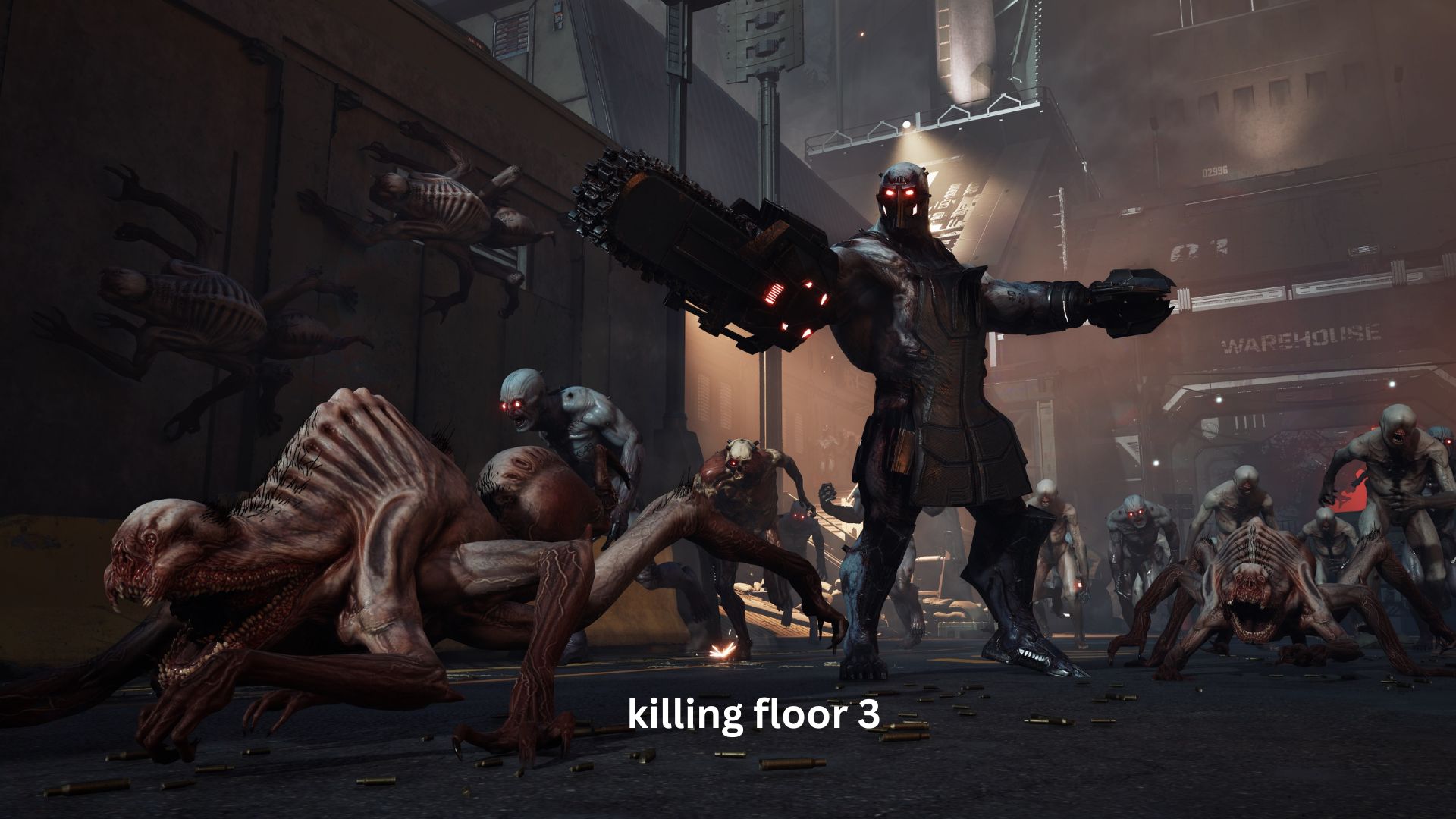
If you’ve been waiting for a co-op shooter that rewards teamwork instead of mindless shooting, Killing Floor 3 is likely already on your radar. But many players jump into their first match expecting another fast-paced zombie game and quickly discover that survival depends on much more than aiming well. Choosing the right specialist, managing resources, coordinating with teammates, and understanding enemy behavior can mean the difference between surviving ten waves or being overwhelmed in minutes.
This guide is designed to help both newcomers and longtime fans understand what makes Killing Floor 3 different from its predecessors and other cooperative shooters. Rather than simply listing features, we’ll explore practical strategies, explain how the gameplay systems work, and share insights that experienced players quickly learn after dozens of hours. Whether you’re wondering if the game is worth buying, trying to improve your survival rate, or looking for advanced team strategies, this guide will give you the knowledge needed to get the most from your experience.
What Is Killing Floor 3?
Killing Floor 3 is a cooperative first-person shooter where players work together to survive increasingly difficult waves of bioengineered monsters known as Zeds. Developed by Tripwire Interactive, the game continues the series’ focus on intense action while expanding character progression, weapon customization, movement mechanics, and tactical teamwork.
Unlike traditional shooters that encourage constant aggression, Killing Floor 3 rewards players who:
- Stay close to teammates.
- Manage ammunition carefully.
- Learn enemy attack patterns.
- Use class abilities strategically.
- Prioritize dangerous targets.
Every match becomes progressively harder as stronger Zeds appear, culminating in a powerful boss encounter that tests every skill your team has developed.
Why Killing Floor 3 Feels Different
Many cooperative shooters rely on endless enemy waves with little variation. Killing Floor 3 takes a more tactical approach.
Several systems work together to create tension:
- Limited healing resources
- Specialist-based team composition
- Weapon modifications
- Dynamic enemy behavior
- Environmental hazards
- High enemy aggression
Instead of simply surviving longer through higher damage numbers, players improve by learning positioning, communication, and efficient target selection.
This creates a satisfying skill curve where knowledge matters just as much as reflexes.
Core Gameplay Explained
Each match follows a familiar but increasingly demanding structure.
1. Survive Enemy Waves
Teams fight multiple waves of Zeds.
Every new wave introduces:
- More enemies
- Tougher enemy types
- Faster attacks
- Greater pressure on resources
Between waves, players can regroup, purchase equipment, and prepare for what’s coming next.
2. Earn Currency
Defeating enemies rewards in-game currency.
This money is used for:
- Better weapons
- Armor
- Ammunition
- Medical supplies
- Weapon upgrades
Knowing when to save money versus spending immediately is one of the biggest decisions experienced players make.
3. Upgrade Equipment
Weapons become significantly stronger through upgrades and modifications.
Instead of replacing every gun immediately, players often invest in improving favorite weapons throughout the match.
Choosing the Right Specialist
Specialists replace the traditional perk system with deeper class identities.
Although individual abilities vary, every specialist generally fills one of several important battlefield roles.
Damage Dealer
Best for:
- Eliminating large Zeds
- Boss damage
- High weapon output
Ideal for experienced players with accurate aim.
Medic
The medic keeps teammates alive while improving the team’s overall survival.
Good medics don’t simply heal after damage—they prevent teammates from getting overwhelmed in the first place.
Crowd Control
These specialists excel against large groups.
Their job is to:
- Slow enemy advances
- Protect objectives
- Create breathing room
They are often the reason difficult waves remain manageable.
Support
Support-focused players provide:
- Utility abilities
- Team buffs
- Defensive options
- Resource efficiency
A balanced squad almost always performs better than six damage-focused players.
Weapons and Customization
One of Killing Floor 3’s biggest improvements is its weapon customization system.
Rather than every player using identical weapons, modifications allow multiple playstyles.
Common upgrades include:
- Improved recoil control
- Faster reload speed
- Increased magazine size
- Better handling
- Higher critical damage
The best weapon isn’t always the one with the highest damage.
Experienced players often choose weapons based on:
- Ammunition efficiency
- Reload speed
- Crowd control
- Accuracy
- Team role
Understanding Enemy Types
Success comes from recognizing threats quickly.
Basic Zeds
These enemies appear in large numbers.
Individually weak, they become dangerous when surrounding isolated players.
Priority:
Medium.
Fast Attackers
Fast enemies close distance rapidly and punish players who ignore movement.
Always eliminate them before focusing on slower targets.
Priority:
High.
Heavy Zeds
Large enemies absorb significant damage.
Charging directly into them often wastes ammunition.
Instead:
- Stay mobile.
- Focus fire with teammates.
- Target weak points.
Boss Battles
Boss encounters test everything learned throughout the match.
Successful teams:
- Spread out.
- Maintain communication.
- Save powerful abilities.
- Revive teammates safely.
- Avoid panic.
Many failed boss fights happen because players use all their strongest equipment too early.
Practical Tips That Improve Survival
After spending time with wave-based shooters, several habits consistently separate experienced players from beginners.
Stay Together
Players who wander off usually become isolated.
Even highly skilled shooters struggle when surrounded without support.
Think of your team as a moving defensive unit rather than six independent players.
Reload During Safe Moments
Reloading while enemies are attacking is one of the most common mistakes.
Instead:
- Reload after clearing an area.
- Top off weapons between engagements.
- Keep at least one weapon ready.
Prioritize Dangerous Enemies
Don’t waste ammunition on weak enemies if a stronger Zed is charging your team.
Target priority often matters more than raw accuracy.
Save Resources
Many beginners spend all their money after every wave.
Experienced players leave room for:
- Emergency armor
- Boss preparation
- Unexpected weapon upgrades
Resource management often decides late-game success.
Common Mistakes New Players Make
Avoiding these habits dramatically improves survival.
Ignoring Team Composition
Six damage-focused specialists may sound powerful.
In practice, teams without healing or support struggle much earlier.
Chasing Kill Counts
High eliminations don’t always mean effective teamwork.
Sometimes protecting a medic or controlling enemy movement contributes more than earning another kill.
Standing Still
Killing Floor 3 rewards movement.
Constant repositioning reduces incoming damage and improves survivability.
Overspending Early
Buying expensive weapons too soon can leave players under-equipped during later waves.
Patience usually pays off.
Advanced Strategies Experienced Players Use
Once you’ve mastered the basics, small improvements produce major results.
Learn Spawn Patterns
Enemies often approach from predictable areas.
Understanding likely attack routes helps teams establish stronger defensive positions before enemies arrive.
Build Around Team Strengths
Instead of everyone playing individually, successful groups assign responsibilities.
For example:
- One player watches flanks.
- One focuses on healing.
- Two eliminate heavy enemies.
- Others manage crowd control.
This reduces chaos during intense moments.
Rotate Positions
Rather than defending one location forever, experienced teams rotate naturally as enemy pressure changes.
This prevents being trapped.
Two Overlooked Insights That Make a Big Difference
Most guides focus on weapons and damage numbers. However, two less obvious factors often have an even greater impact on survival.
1. Mental Energy Matters More Than Aim
Long matches can last well over half an hour. Players who stay calm, communicate clearly, and avoid panic usually outperform mechanically stronger players who become frustrated after a single mistake. Maintaining composure helps the entire team recover from difficult situations.
2. Small Upgrades Often Beat Big Purchases
Many players rush toward the most expensive weapon available. In reality, upgrading a familiar weapon that fits your playstyle can produce better results. Consistency with a reliable weapon often outweighs constantly switching to stronger but unfamiliar equipment.
These habits may seem minor, but experienced squads rely on them every match.
Is Killing Floor 3 Worth Playing?
If you enjoy cooperative games where teamwork genuinely matters, Killing Floor 3 offers a rewarding experience.
It’s especially appealing for players who like:
- Tactical shooters
- Horde survival games
- Character progression
- Cooperative strategy
- Challenging boss encounters
The game rewards learning over grinding, making every improvement feel earned rather than automatic.
Players looking for quick, casual action may find the difficulty demanding, but those who enjoy mastering mechanics will appreciate the depth.
FAQ
Is Killing Floor 3 beginner friendly?
Yes, although new players should expect a learning curve. Early matches help you understand enemy types, movement, and resource management. Playing with teammates and choosing an easier difficulty initially makes the experience much smoother.
Can you play Killing Floor 3 solo?
Yes, but the game is designed around cooperative play. Solo matches can help you practice mechanics and learn maps, yet many encounters become more enjoyable and strategically rewarding with a coordinated team. Working together also allows specialists to complement one another.
What is the best specialist for new players in Killing Floor 3?
Support-oriented or balanced specialists are usually the easiest starting point because they contribute to the team while remaining forgiving. They teach positioning, resource management, and teamwork without requiring perfect aim. As you gain confidence, you can experiment with more specialized roles.
How long does a typical Killing Floor 3 match last?
Match length depends on the selected difficulty, wave count, and team performance. Most standard games last between 25 and 45 minutes, while harder difficulties can take longer due to tougher enemies and more cautious play. Boss fights may also extend the total duration.
Does teamwork really matter in Killing Floor 3?
Absolutely. Teams that communicate, share resources, and protect one another consistently outperform groups focused only on individual kills. Reviving teammates, covering flanks, and coordinating abilities often determine whether a squad survives the final wave.
Conclusion
Killing Floor 3 builds on the strengths of the series by combining satisfying gunplay with meaningful teamwork, deeper progression, and more tactical decision-making. Success isn’t determined solely by your aim—it comes from understanding enemy behavior, choosing the right specialist, managing resources wisely, and supporting your teammates throughout every wave.
Whether you’re stepping into the franchise for the first time or returning after years away, investing time in learning these systems will make every match more enjoyable and significantly improve your chances of survival. Focus on teamwork, stay adaptable, and remember that the strongest squads aren’t always the ones with the highest damage—they’re the ones that work together under pressure.