


Diablo II Resurrected: A Practical Guide for New and Returning Players
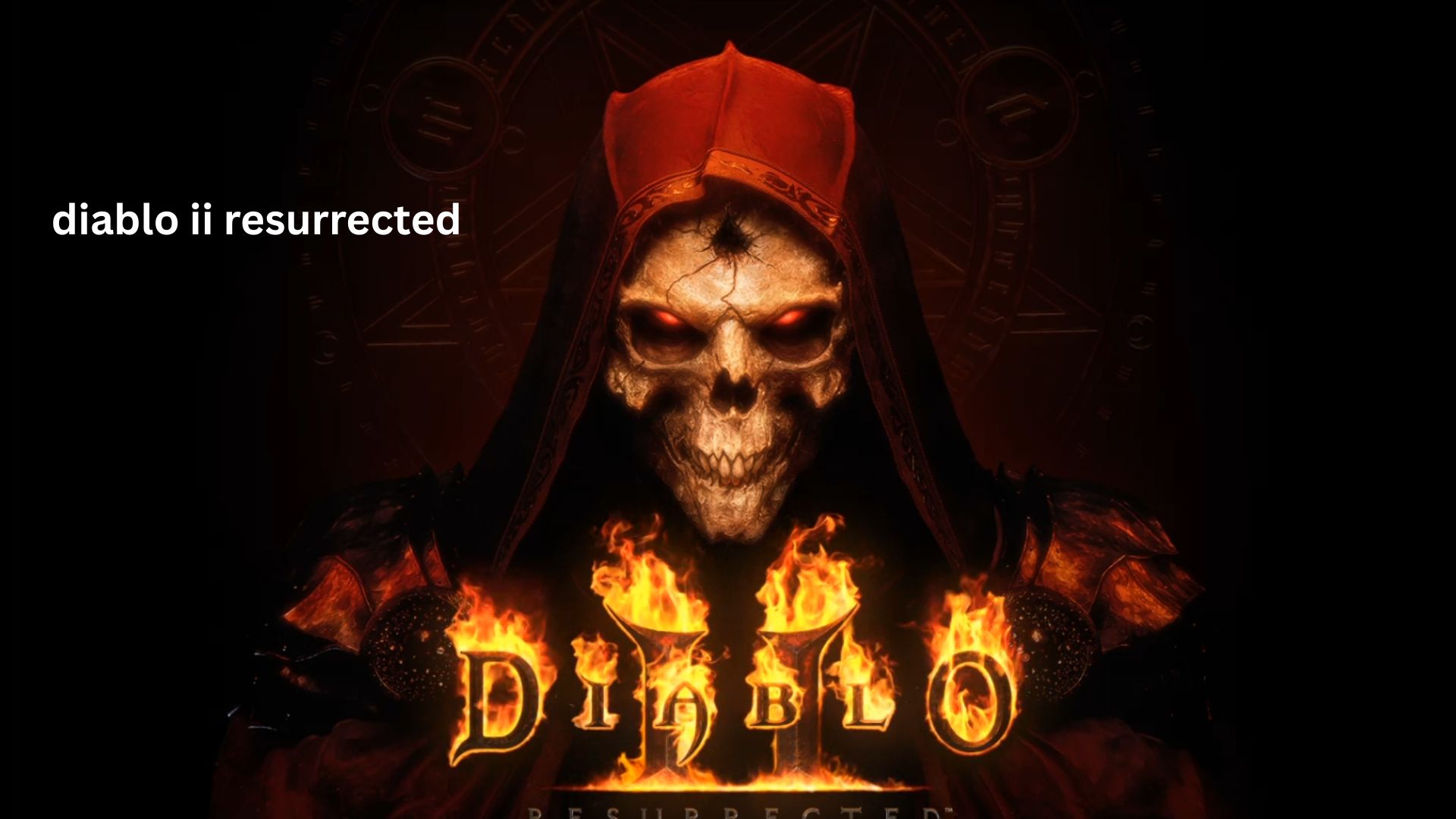
If you return to Diablo II Resurrected after years away, the first surprise is that the game feels both familiar and strangely demanding. You can remember the classes, the acts, and the thrill of finding a rare item, yet suddenly you are staring at skill synergies, resistances, runewords, breakpoints, Terror Zones, Sunder Charms, and dozens of build choices. Even experienced action-RPG players can make an expensive mistake simply by putting points into the wrong skills or using a valuable rune too early.
That is what makes Diablo II Resurrected different from many modern loot games. It does not constantly explain the best decision to you. Your character becomes powerful because you understand how its systems interact.
This guide focuses on the practical side of the game: how to choose a class, level efficiently, survive Nightmare and Hell, understand equipment, approach endgame farming, and avoid the mistakes that waste the most time. It also covers several less obvious lessons that become clear once you spend enough time building characters and repeatedly running the same areas.
Blizzard originally launched Resurrected as a remastered version of Diablo II and its expansion, preserving the classic seven classes while adding rebuilt visuals, remastered audio, quality-of-life improvements, and cross-progression support.
What Is Diablo II Resurrected?
Diablo II Resurrected is a remastered version of the classic Diablo II experience, including the Lord of Destruction expansion. You travel through five acts, develop one of several character classes, collect increasingly powerful equipment, defeat bosses, and eventually build characters capable of efficiently farming Hell difficulty.
The seven original classes are:
- Amazon
- Assassin
- Barbarian
- Druid
- Necromancer
- Paladin
- Sorceress
The basic loop is simple:
Kill monsters → gain experience → find equipment → improve your build → tackle harder content → repeat.
The depth comes from everything underneath that loop.
A weapon that looks weaker because it has lower listed damage can sometimes be dramatically better because of attack speed, Crushing Blow, elemental damage, or a useful runeword. Likewise, a high-level skill does not automatically make a build strong if its synergies, casting speed, resistance, or mana requirements are poorly managed.
Is Diablo II Resurrected Still Worth Playing?
Yes, particularly if you enjoy character building, loot hunting, difficult progression, and games where knowledge matters as much as mechanical skill.
One of its greatest strengths is that your first playthrough and your hundredth farming run can feel completely different.
A new player might simply think:
“I need better gear.”
An experienced player usually thinks:
“I need more survivability, the correct breakpoint, better resistance, a faster clear route, or a different farming target.”
That difference explains much of the game’s longevity.
Resurrected also received significant gameplay additions after launch. Terror Zones were introduced to provide alternatives to repeatedly farming a small number of bosses, while Sunder Charms were designed to make previously immune monsters more manageable for a wider range of builds.
Choosing the Best Diablo II Resurrected Class
There is no universally best class. The better question is: What do you want your first character to accomplish?
Sorceress: Best for Fast Farming
The Sorceress is one of the strongest choices for players who want efficient farming.
Her defining advantage is teleportation, which dramatically reduces travel time. Instead of fighting through every room between you and a target, you can often move directly toward it.
For a first farming character, common approaches include:
- Blizzard Sorceress
- Frozen Orb builds
- Fire-based builds
- Lightning-focused endgame builds
The important lesson is not to obsess over the final build during the first few hours. Early leveling and endgame farming are different problems.
Paladin: Excellent All-Rounder
The Paladin offers powerful offensive skills, defensive auras, and excellent endgame potential.
Blessed Hammer builds became particularly famous because they can deal enormous damage without depending entirely on a weapon’s physical damage.
A Paladin is especially attractive if you want a character capable of progressing through difficult content rather than simply specializing in one farming route.
Necromancer: The Safe Choice
A Summon Necromancer is extremely forgiving.
Your skeletons and other summons absorb attention while you stay behind them. This makes the class particularly comfortable for players learning how Diablo II handles positioning and monster abilities.
Corpse Explosion is another important reason the class scales so well in groups of enemies.
Amazon, Barbarian, Druid and Assassin
These classes can be extremely powerful, but some builds demand more understanding of equipment, attack mechanics, positioning, or specific item combinations.
That does not make them bad choices.
In fact, one of the game’s pleasures is eventually creating a character that solves problems differently from your first character.
How Character Progression Really Works
The biggest beginner mistake is treating every skill point as something that must be spent immediately.
In Diablo II, planning matters.
Skills often have synergies, meaning points invested in one ability can increase the effectiveness of another. This creates a very different experience from games where every skill works independently.
A practical leveling approach is:
- Pick a temporary leveling skill.
- Invest heavily enough to make it effective.
- Use inexpensive equipment while progressing.
- Respec when your intended endgame build becomes practical.
- Only chase expensive equipment after your character can farm efficiently.
This prevents a common trap: spending hours trying to assemble an endgame character before you have a reliable way to obtain its equipment.
The Equipment System Rewards Knowledge
Diablo II Resurrected has an enormous item ecosystem.
You will encounter:
- Normal items
- Magic items
- Rare items
- Set items
- Unique items
- Runewords
- Charms
- Jewels
- Runes
- Crafted items
The color of an item tells you something, but not everything.
A rare ring can be more useful than a unique ring. A plain-looking base item can become extraordinarily valuable when used for the right runeword. A low-level item can remain useful because of one unusually good combination of stats.
Don’t Automatically Sell Runes
One of the most painful beginner mistakes is treating runes like ordinary loot.
Some runes are important individually, while others become valuable because of specific combinations.
Before using a rune in an item, check what runeword you are making and whether the base item is appropriate.
This is especially important with rare or high-value runes. Once inserted into the wrong item, you may not be able to undo the mistake.
Runewords: Where the Game Gets Serious
Runewords are combinations of specific runes inserted into eligible socketed items in the correct order.
They are one of the main reasons Diablo II’s item system remains interesting.
A good runeword can solve an otherwise frustrating problem:
- Low resistances
- Weak damage
- Poor mobility
- Lack of mana
- Weak mercenary survivability
- Insufficient attack speed
But there is an important practical rule:
Do not build around a runeword you cannot realistically obtain yet.
A new player can easily spend days planning around an expensive item while ignoring cheaper equipment that would allow them to farm the required content much faster.
Understanding Resistances Before Hell Difficulty
Normal difficulty can create a false sense of security.
You may reach Nightmare thinking your character is unstoppable. Then Hell difficulty arrives and suddenly ordinary monsters can destroy you.
Elemental resistance becomes extremely important.
Fire, cold, lightning and poison damage can punish characters that focus entirely on offensive statistics.
When entering higher difficulties, look at your complete defensive picture:
- Resistances
- Life
- Damage reduction
- Faster Hit Recovery
- Faster Cast Rate or Attack Speed
- Positioning
- Crowd control
- Mercenary survivability
A character with slightly less damage but substantially better defenses can often clear content faster because it spends less time dying.
Terror Zones Changed Endgame Farming
One of the biggest changes to modern Diablo II Resurrected is Terror Zones.
Instead of concentrating all endgame activity around a tiny number of traditional farming locations, Terror Zones increase the level and rewards of selected areas.
Blizzard designed them partly to make the path toward level 99 less repetitive and to encourage players to explore more of Sanctuary.
This creates an important strategic change:
The best farming location is not always the location with the most famous boss.
A dense area with easy-to-kill enemies can outperform a famous boss route when your character has the right damage type and survivability.
That is one of the game’s less obvious lessons: clear speed and monster density can matter more than individual monster quality.
Sunder Charms and Elemental Builds
Sunder Charms addressed one of Diablo II’s longstanding problems: monster immunities.
Before this system, certain builds could encounter enemies they simply could not damage effectively. Sunder mechanics allow particular immunity types to be broken, although the player pays a defensive cost through reduced resistance to that element.
This changed the practical value of several builds.
For example, a player who previously avoided committing heavily to a particular elemental build because of Hell immunities may have more options once the appropriate Sunder Charm becomes available.
But there is a trap here.
Breaking an immunity does not mean your character automatically deals huge damage.
A monster becoming vulnerable is only the first step. You still need enough skill damage, resistance reduction, penetration, casting or attack speed, and survivability to kill it efficiently.
The Mercenary Is More Important Than Many Players Realize
Your mercenary is not simply an extra character who occasionally attacks enemies.
A properly equipped mercenary can provide:
- Additional damage
- Useful auras
- Crowd control
- Mana support
- A frontline distraction
- Help against monsters your build struggles to kill
For many builds, improving the mercenary produces a larger practical increase in survivability than buying another small upgrade for the main character.
This is especially noticeable when fighting bosses or high-density areas.
If your mercenary dies immediately, expensive equipment on your main character cannot compensate for the lost utility.
A Better Way to Farm
New players often ask:
“Where should I farm?”
A better question is:
“What can my current character kill quickly and safely?”
Suppose you have two options.
Route A
- Very valuable potential drops
- Long travel time
- Frequent deaths
- Slow monster kills
Route B
- Slightly less exciting loot
- Dense monsters
- Fast clearing
- Almost no deaths
Route B may be dramatically better over an hour.
This is because farming efficiency is ultimately about loot per unit of time, not the theoretical value of a single monster.
Practical Farming Rule
Track your results over several runs rather than judging a route after one lucky or unlucky game.
Diablo II’s randomness can be brutal. Ten bad runs do not necessarily mean a farming area is poor.
Three Less-Obvious Lessons From Diablo II Resurrected
1. Your Best Upgrade May Be a Faster Route
Players naturally focus on equipment.
But reducing a farming run from five minutes to three minutes can be more valuable than a modest damage upgrade.
If a new weapon increases damage by 10% but slows your overall farming route, it may actually make your character less efficient.
2. Survivability Is Offensive Power
This sounds strange, but it becomes obvious in practice.
A character that survives continuously can maintain momentum, complete more runs, and spend less time recovering.
If you die twice every ten minutes, your theoretical damage number does not matter nearly as much as it appears on paper.
3. Don’t Confuse a Powerful Build With a Complete Character
A build guide may show impressive damage numbers with perfect equipment.
That does not mean the same character will feel powerful when you first create it.
A complete character needs:
- Damage
- Survivability
- Mobility
- Resource management
- Appropriate breakpoints
- Resistance
- Reliable equipment
- A practical farming route
This is why copying a high-end build without understanding its supporting equipment can produce disappointing results.
Common Diablo II Resurrected Mistakes
Avoid these if you are starting again.
Spending Skill Points Randomly
A few experimental points can become expensive when you reach higher levels.
Ignoring Resistance
Damage looks impressive on the character screen, but elemental attacks can end a run instantly.
Using Valuable Runes Too Quickly
Wait until you understand the runeword and base item.
Chasing Perfect Gear Too Early
Build a character that can farm first. Improve perfection later.
Following a Build Guide Without Understanding It
A guide tells you what to equip. Understanding tells you why.
Farming Only Famous Bosses
Terror Zones and dense monster areas can make broader farming routes much more attractive.
Is Diablo II Resurrected Good for Solo Players?
Absolutely.
Solo play has a major advantage: you can control your pace and build around your own goals.
It is particularly satisfying when you gradually transform a weak character into one capable of efficiently farming Hell difficulty.
Multiplayer, however, can make progression and certain farming strategies more efficient, particularly when characters complement each other.
The best choice depends on whether you prefer:
- Relaxed progression
- Efficient farming
- Trading
- Competitive Ladder progression
- Cooperative builds
FAQ
Is Diablo II Resurrected beginner friendly?
It is approachable but not especially forgiving. The campaign teaches the basic mechanics, but important systems such as skill synergies, breakpoints, immunities, runewords, and efficient farming are not explained in great depth. A simple first character such as a Summon Necromancer can make the learning process much easier.
What is the best class for Diablo II Resurrected beginners?
The Sorceress, Paladin, and Summon Necromancer are particularly practical starting choices. Sorceress offers exceptional mobility, Paladin provides strong all-around performance, and Necromancer can progress safely behind summons. The best choice ultimately depends on whether you prioritize speed, versatility, or simplicity.
What should I farm in Diablo II Resurrected?
Farm areas your character can clear quickly without frequent deaths. Terror Zones are especially important for modern endgame progression because they increase the level and rewards of selected areas.
Are Sunder Charms worth using?
They can be extremely valuable for builds that struggle with elemental or other monster immunities. However, they come with a resistance penalty, so you need to rebuild your defensive statistics around them rather than simply adding the charm and expecting free damage.
How do you get better gear in Diablo II Resurrected?
The most reliable approach is repeated farming rather than expecting one particular boss to solve your equipment problems. Choose content your character can clear efficiently, collect useful items and runes, and gradually replace weak equipment. As your farming speed improves, your ability to pursue expensive upgrades improves with it.
Is Diablo II Resurrected still active?
Yes. Blizzard has continued to develop and update the game beyond its original remaster release, including Ladder seasons and substantial systems such as Terror Zones and later endgame changes. Current development has continued to expand the game’s endgame structure rather than leaving it as a purely visual remaster.
Conclusion
Diablo II Resurrected rewards patience more than rushing. Its real depth appears after you understand that character strength is not just a damage number. Skills, synergies, equipment, resistances, breakpoints, mercenary choices, farming routes, and monster mechanics all contribute to how a character actually performs.
For a new or returning player, the smartest path is straightforward: choose a forgiving class, build around a clear skill plan, prioritize survival, learn how equipment systems interact, and farm content you can clear consistently.
Most importantly, don’t feel pressured to copy an endgame character immediately. One of the best parts of Diablo II is discovering why a build works—and then eventually making your own version work even better.