


Dungeon Alchemist: Create Amazing Maps Without Design Skills
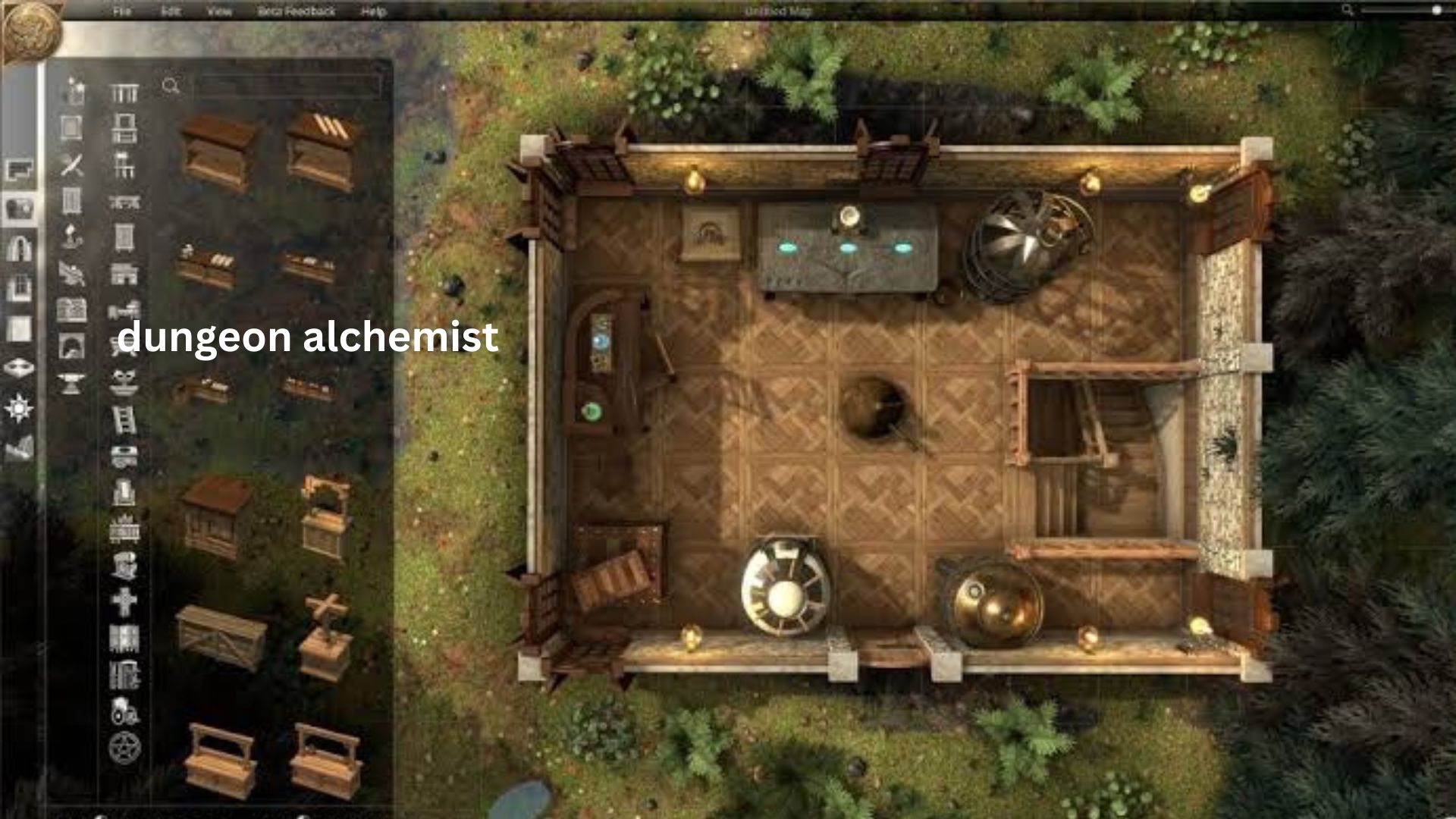
Creating a great tabletop RPG map sounds simple until you actually sit down to do it. A game master may have an exciting dungeon idea, a dramatic encounter planned, and a story ready to unfold — but turning that idea into a detailed, believable map can take hours of drawing, editing, and adjusting tiny details. This is where Dungeon Alchemist changes the experience.
Dungeon Alchemist is an AI-powered map-making tool designed to help players and game masters quickly create high-quality fantasy maps for tabletop role-playing games. Instead of manually placing every wall, chair, torch, and treasure chest, users can describe or build environments with intelligent assistance.
The real value of Dungeon Alchemist is not just speed. It helps people who have great storytelling ideas but limited artistic or technical skills bring their worlds to life. Whether you are preparing a last-minute adventure, designing a massive dungeon campaign, or experimenting with worldbuilding, this tool provides a practical way to create maps that feel alive and playable.
This guide explains what Dungeon Alchemist does, how it works, where it performs best, common mistakes to avoid, and how experienced game masters can use it more effectively.
What Is Dungeon Alchemist?
Dungeon Alchemist is a fantasy map creation software built for tabletop role-playing games such as Dungeons & Dragons and other grid-based adventures. It allows users to create battle maps, dungeons, towns, interiors, and outdoor locations using a combination of traditional editing tools and artificial intelligence features.
Unlike older map-making programs that require users to manually design everything from scratch, Dungeon Alchemist focuses on assisted creation. You can start with a simple idea, choose a theme, adjust settings, and generate a detailed environment that can be customized afterward.
At its core, Dungeon Alchemist helps solve three major problems:
- Time: Creating professional-looking maps can take many hours.
- Skill: Not every game master knows graphic design or cartography.
- Consistency: Maintaining a believable style across many locations can be difficult.
The software is especially useful for people who want their maps to support storytelling rather than spend their preparation time drawing.
How Does Dungeon Alchemist Work?
Dungeon Alchemist combines procedural generation with user control. It does not simply create a random room and expect you to accept it. Instead, it gives you tools to guide the creative process.
A typical workflow looks like this:
1. Choose Your Environment
You begin by selecting what type of location you want to create:
- Ancient ruins
- Dark dungeons
- Medieval houses
- Taverns
- Castles
- Forest areas
- Underground chambers
The environment choice affects available objects, textures, lighting, and atmosphere.
2. Generate or Build the Layout
You can allow the system to generate a layout or manually design the structure yourself.
For example, you might create:
- A small abandoned temple for a one-session adventure
- A large underground fortress for a long campaign
- A village marketplace for role-playing scenes
The advantage is flexibility. Beginners can create maps quickly, while experienced users can use the software like a professional design tool.
3. Customize Details
This is where Dungeon Alchemist becomes more valuable than a simple generator.
You can modify:
- Walls and floors
- Furniture placement
- Lighting
- Doors and entrances
- Decorations
- Environmental details
Small details often make maps feel more realistic. A throne room feels different when it has banners, broken furniture, weapon displays, and appropriate lighting instead of being an empty rectangle.
Why Dungeon Alchemist Is Popular Among Game Masters
Many map tools focus heavily on technical drawing. Dungeon Alchemist focuses more on creative flow.
A common frustration among game masters is that preparation time gets consumed by tasks that do not directly improve the adventure. Designing a believable room layout is useful, but spending three hours deciding where every barrel should go may not be the best use of preparation time.
Dungeon Alchemist helps shift attention back toward storytelling.
Faster Adventure Preparation
One of the biggest benefits is speed.
Imagine you suddenly need a map for tonight’s session:
Your players decide to explore a hidden wizard tower you never planned.
With traditional methods, you might search for a suitable map online or spend hours creating one.
With Dungeon Alchemist, you can quickly create:
- Multiple floors
- Connected rooms
- Magical laboratories
- Storage areas
- Secret chambers
Then adjust the details before your players arrive.
For busy game masters, this can dramatically reduce preparation stress.
Better Results for Non-Artists
Not everyone has the ability to draw fantasy locations. This is one of the strongest reasons people use Dungeon Alchemist.
A person may have a detailed story idea:
“An abandoned dwarven mine where miners discovered a magical creature beneath the earth.”
But creating a convincing mine map manually requires design knowledge.
Dungeon Alchemist allows that person to focus on the adventure concept while the software handles much of the visual construction.
The result is not replacing creativity — it is removing unnecessary barriers.
Dungeon Alchemist Features That Matter Most
Not every feature is equally important. Some tools have a much bigger impact on actual gameplay.
AI-Assisted Map Generation
The AI features are designed to help create environments quickly.
Instead of starting with an empty canvas, users can generate a foundation and refine it.
This works particularly well when you need:
- Inspiration
- Quick prototypes
- Multiple location ideas
- Backup maps
A useful approach is to treat AI generation as a creative partner rather than a final solution. The first version is usually a starting point, not the finished adventure location.
Realistic Object Placement
Small environmental details often determine whether a map feels immersive.
Dungeon Alchemist includes a large collection of objects that can help create believable scenes.
Examples:
A library might include:
- Bookshelves
- Desks
- Chairs
- Scrolls
- Research equipment
A blacksmith workshop might include:
- Forges
- Tools
- Metal supplies
- Storage areas
These details give players visual clues about what happened in a location.
Lighting and Atmosphere
Lighting is one of the most underrated parts of map design.
A bright castle hall creates a completely different feeling from a forgotten underground crypt.
Good lighting can communicate:
- Danger
- Mystery
- Safety
- Importance
Experienced game masters often use lighting not just for appearance but for storytelling.
For example, a single glowing room deep inside a dark dungeon immediately tells players that something important may be waiting there.
Practical Ways to Use Dungeon Alchemist
Create Maps Before Writing Encounters
Many game masters design encounters first and maps afterward. However, the environment itself can inspire better ideas.
Try creating the location first.
A strange room layout might suggest:
- A hidden puzzle
- A secret passage
- A defensive strategy for enemies
- A forgotten story element
The map becomes part of the creative process.
Build Reusable Adventure Locations
Instead of creating only one-use maps, design locations that can appear in different campaigns.
Examples:
- A mysterious forest shrine
- A ruined castle
- A merchant town
- A criminal hideout
You can reuse and modify these locations whenever your story needs them.
This approach saves preparation time over months of gameplay.
Use Maps to Improve Player Decisions
A good map should encourage choices.
A common mistake is creating maps that only show where players move.
Better maps create questions:
- Why is that room separated from the others?
- What is behind that locked door?
- Why does this hallway look different?
- What happened here?
The strongest maps tell a story before a single word is spoken.
Common Dungeon Alchemist Mistakes
Even powerful tools can produce disappointing results if used incorrectly.
Mistake 1: Accepting the First Generated Map
Generated maps are helpful, but they are rarely perfect.
Always review:
- Room connections
- Player movement paths
- Encounter locations
- Story relevance
A beautiful map can still create a poor gameplay experience if the design does not support the adventure.
Mistake 2: Adding Too Many Details
More objects do not always mean a better map.
Overcrowded rooms can:
- Distract players
- Make important objects harder to notice
- Reduce visual clarity
Good maps balance decoration with usability.
Mistake 3: Ignoring Gameplay Practicality
A realistic building is not always a good game map.
For example, a real castle might have confusing hallways and unnecessary rooms. A tabletop adventure often needs clearer navigation and stronger encounter spaces.
Design for players first, realism second.
Is Dungeon Alchemist Worth It?
Dungeon Alchemist is worth considering for people who regularly create tabletop adventures and want better-looking maps without spending hours designing them manually.
It is especially valuable for:
- New game masters learning map design
- Experienced storytellers with limited preparation time
- Players who enjoy worldbuilding
- Campaign creators who need many locations
However, it is not a replacement for creativity. The best results come from combining the software’s speed with human storytelling decisions.
A generated dungeon becomes memorable because of the story behind it, not simply because it looks impressive.
Dungeon Alchemist vs Traditional Map Making
Traditional map creation gives complete control but requires more time and skill.
Dungeon Alchemist offers:
| Traditional Mapping | Dungeon Alchemist |
|---|---|
| More manual work | Faster creation |
| Requires drawing skills | Beginner-friendly |
| Full artistic control | AI-assisted workflow |
| Time-consuming details | Quick environmental design |
For professional artists, traditional tools may still offer advantages. For most game masters, speed and convenience are often more valuable.
FAQ
What is Dungeon Alchemist used for?
Dungeon Alchemist is used to create tabletop RPG maps, including dungeons, buildings, towns, and fantasy environments. It helps game masters design playable locations faster by combining map editing tools with AI-assisted generation.
Is Dungeon Alchemist good for beginners?
Yes, Dungeon Alchemist is designed to be accessible for beginners. Users do not need advanced drawing skills because the software handles much of the technical map creation process while still allowing customization.
Can Dungeon Alchemist create maps for Dungeons & Dragons?
Yes, many players use Dungeon Alchemist for Dungeons & Dragons-style adventures. It can create battle maps suitable for encounters, exploration, and role-playing sessions.
Does Dungeon Alchemist replace a professional map designer?
No, it does not replace professional artists or cartographers. Instead, it gives game masters a faster way to create quality maps and experiment with ideas without requiring advanced design skills.
How can I make better maps in Dungeon Alchemist?
The best approach is to start with a clear purpose for the location. Design around gameplay needs, review generated layouts carefully, and add details that support the story rather than simply filling empty space.
Conclusion
Dungeon Alchemist solves a real problem for tabletop creators: turning imagination into playable locations without spending endless hours on technical design. Its biggest strength is not just creating attractive maps — it helps game masters spend more time building stories and less time preparing layouts.
The most effective users treat it as a creative assistant. They use its speed for exploration, then apply their own storytelling judgment to create meaningful locations.
Whether you are preparing your first adventure or managing a long-running campaign, Dungeon Alchemist can make the map-building process faster, easier, and more enjoyable. A great map is not just a picture of a place — it is the beginning of an adventure.