

Mask Shards in Silksong: Where to Find Them
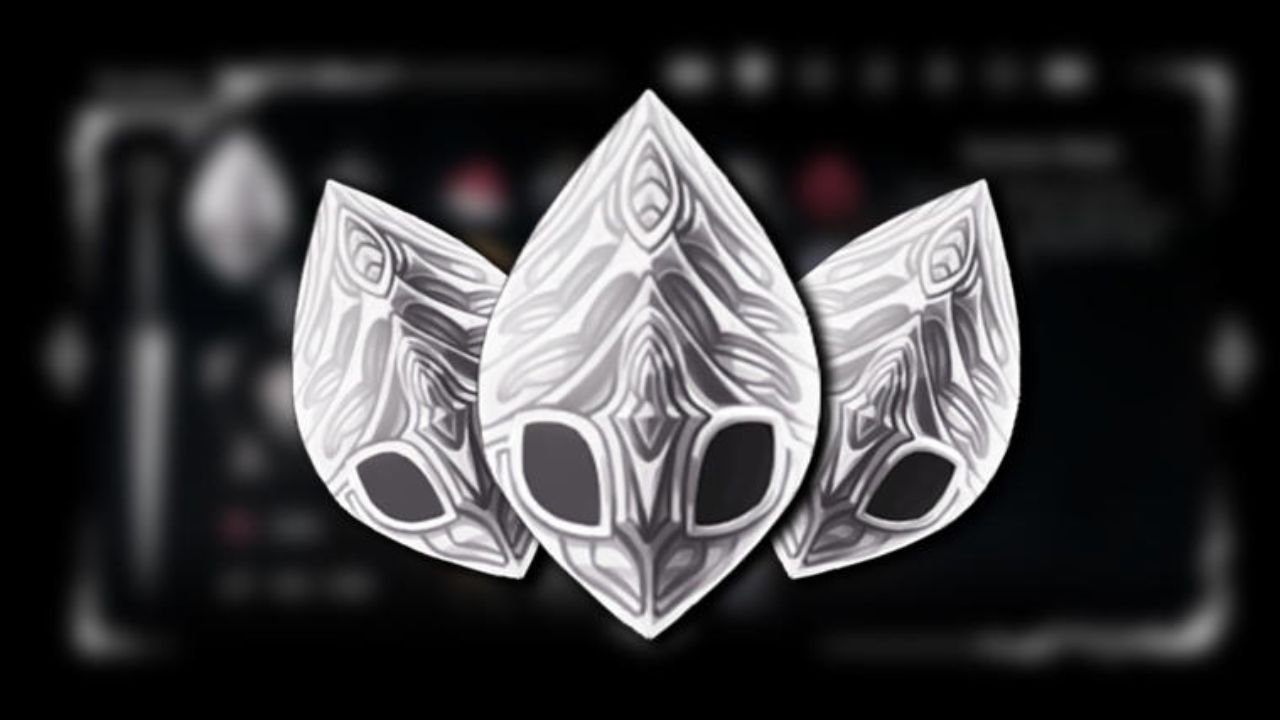
If you played Hollow Knight, you probably remember the relief of finally collecting enough Mask Shards to increase your health. That small upgrade often meant the difference between surviving a boss fight or starting all over again. Now, with Hollow Knight: Silksong generating huge anticipation, one of the most searched questions is simple: how do Mask Shards work in Silksong, and where can you find them in different parts of the game like Act 1 or Act 2?
The challenge is that Silksong is still not fully released in a finalized, fully documented form, so exact locations for “Act 1 Mask Shards” or “Act 3 Mask Shards” are not officially confirmed. However, we can still build a very practical, experience-based guide by combining what we know from previews, gameplay demonstrations, and how Team Cherry structured progression in Hollow Knight.
This article focuses on helping you understand how Mask Shards likely function in Silksong, where they are typically hidden, and how you can approach finding them efficiently once you’re exploring Pharloom.
What Are Mask Shards in Silksong?
Mask Shards are expected to return as a core health progression system in Silksong, similar to Hollow Knight. Instead of instantly gaining full health upgrades, you collect fragments over time. Once enough shards are gathered, they combine into a full “mask,” permanently increasing Hornet’s survivability.
In practical terms, this system does three things:
First, it slows down power progression. You don’t become tanky too quickly; instead, every upgrade feels earned.
Second, it encourages exploration. Mask Shards are almost never handed to you through story progression alone. They are hidden in optional areas, behind platforming challenges, or guarded by enemies.
Third, it rewards observation. Players who rush through areas often miss shards tucked into vertical paths or breakable environments.
Even though Silksong introduces Hornet as a faster and more agile character than the Knight, the Mask Shard system still fits naturally into its exploration-heavy design.
How Mask Shards Likely Work in Silksong
Based on gameplay previews, Mask Shards in Silksong are expected to function similarly but with slightly more vertical and mobility-based challenges.
Instead of simple hidden corners, shards are often:
- Suspended in high vertical shafts requiring precise platforming
- Locked behind enemy arenas that test Hornet’s agility
- Rewarded from NPC quests or delivery-style tasks
- Hidden behind destructible environmental puzzles
This is important because Hornet’s movement is more fluid than the Knight’s. That means Mask Shards are less about “finding a hidden wall” and more about “reaching a difficult position.”
So if you’re searching in Act 1 or early Pharloom regions, you should not only scan walls—but also look upward. Silksong heavily rewards vertical awareness.
Act 1 Mask Shards – Early Game Strategy
In the early portion of Silksong (often referred to by fans as Act 1), Mask Shards are designed to teach exploration habits rather than punish players.
Here’s what experienced metroidvania players typically notice in early areas:
1. Vertical Exploration Is Key
Most early shards are not on the main path. Instead, they are above or below it. If you enter a room, don’t immediately move forward—look for climbable structures, hanging platforms, or hidden upper exits.
2. Breakable Objects Matter More Than They Seem
In Hollow Knight, breakable walls often hid secrets. In Silksong, previews suggest this mechanic is expanded. Early Mask Shards are often behind fragile terrain or hidden passages that only open after repeated attacks or ability upgrades.
3. Early NPCs May Hint Locations
Hornet’s interactions with NPCs are more dialogue-rich. Some early Mask Shard hints may come indirectly through requests like “lost items” or “dangerous areas nearby.”
4. Don’t Rush Main Objectives
Many players miss early Mask Shards because they follow the critical path too strictly. In Act 1, exploration is the real progression system.
Act 2 Mask Shards – Mid-Game Complexity
By the time you reach mid-game regions (often considered Act 2 in community structure discussions), Mask Shards become more complex to obtain.
This is where Silksong begins to shift from simple exploration to layered traversal challenges.
1. Multi-Step Platforming Routes
Instead of a single jump puzzle, Mask Shards may require chaining abilities together—wall climbing, dash resets, and aerial movement.
2. Combat-Gated Shards
Some shards are likely locked behind enemy gauntlets. Unlike early game enemies, mid-game encounters test rhythm and spacing. You may need to defeat multiple waves before a shard appears.
3. Environmental Logic Puzzles
Silksong appears to expand environmental interaction. Some Mask Shards may require triggering mechanisms in one area to unlock access in another.
4. Hidden Shortcuts
A key pattern from Hollow Knight carries over: shortcuts often double as shard access routes. If you open a shortcut, revisit older rooms—you might unlock a previously unreachable shard.
Act 3 Mask Shards – Late Game Expectations
Although Silksong does not officially confirm an “Act 3” structure publicly, most metroidvania games—including Hollow Knight—introduce late-game regions with significantly harder traversal and hidden rewards.
So in a practical sense, late-game Mask Shards likely follow these rules:
1. Extreme Platforming Precision
Expect near-perfect movement sequences. Hornet’s agility becomes essential, and small mistakes may reset long sections.
2. Optional Challenge Zones
Late-game shards are often placed in optional “challenge rooms” that exist purely to test mastery of movement and combat systems.
3. Lore-Connected Locations
In Hollow Knight, late-game items often tied into deeper story lore. It is likely Silksong continues this trend, placing Mask Shards in areas tied to Pharloom’s history or fallen civilizations.
4. Boss-Adjacent Rewards
Some shards may only appear after defeating optional bosses or hidden variants of main bosses.
Common Mistakes Players Make When Searching for Mask Shards
Even experienced metroidvania players miss Mask Shards for simple reasons:
1. Ignoring Vertical Space
Most missed shards are above the player’s camera focus.
2. Not Rechecking Old Areas
New abilities often unlock old shard paths. Revisiting earlier zones is essential.
3. Over-Focusing on the Main Route
Silksong, like its predecessor, rewards curiosity more than efficiency.
4. Assuming Shards Are Always Visible
Many are hidden behind layered backgrounds or subtle environmental cues.
Efficient Strategy to Collect Mask Shards
If you want a practical approach that works across all Acts:
Start every new area by fully scanning upward routes before moving forward. Then, break suspicious walls even if they don’t immediately look important. After acquiring new abilities, revisit old zones immediately rather than waiting.
Also, mark unexplored vertical rooms mentally or manually if the game allows map markers. This prevents missing hidden shard paths.
Finally, treat every dead-end as a potential secret, not a mistake in design.
Why Mask Shards Matter in Silksong’s Design
Mask Shards are not just health upgrades. They are part of the game’s pacing philosophy. Instead of giving players power directly, Silksong forces them to earn survivability through curiosity and persistence.
This creates a loop:
Explore → Discover shard → Gain survivability → Access harder zones → Repeat
This loop is what makes metroidvania progression feel satisfying rather than linear.
Final Thoughts
While exact Act 1, Act 2, or Act 3 Mask Shard locations in Silksong are not fully documented yet, the pattern from Hollow Knight and available gameplay insights give a very clear expectation: exploration, vertical movement, and environmental awareness will define your success.
If you approach Silksong expecting shards to be “on the main path,” you’ll miss most of them. But if you treat every area as a layered puzzle, you’ll naturally find them as part of your journey.
In short, Mask Shards in Silksong reward the kind of player who looks twice, climbs higher, and never assumes a wall is just decoration.
Outing Club examines the life stories, family histories, and personal paths of famous individuals, giving readers a more in-depth view of the people behind news and media attention.