

No Place Like Home: Why Home Matters So Much
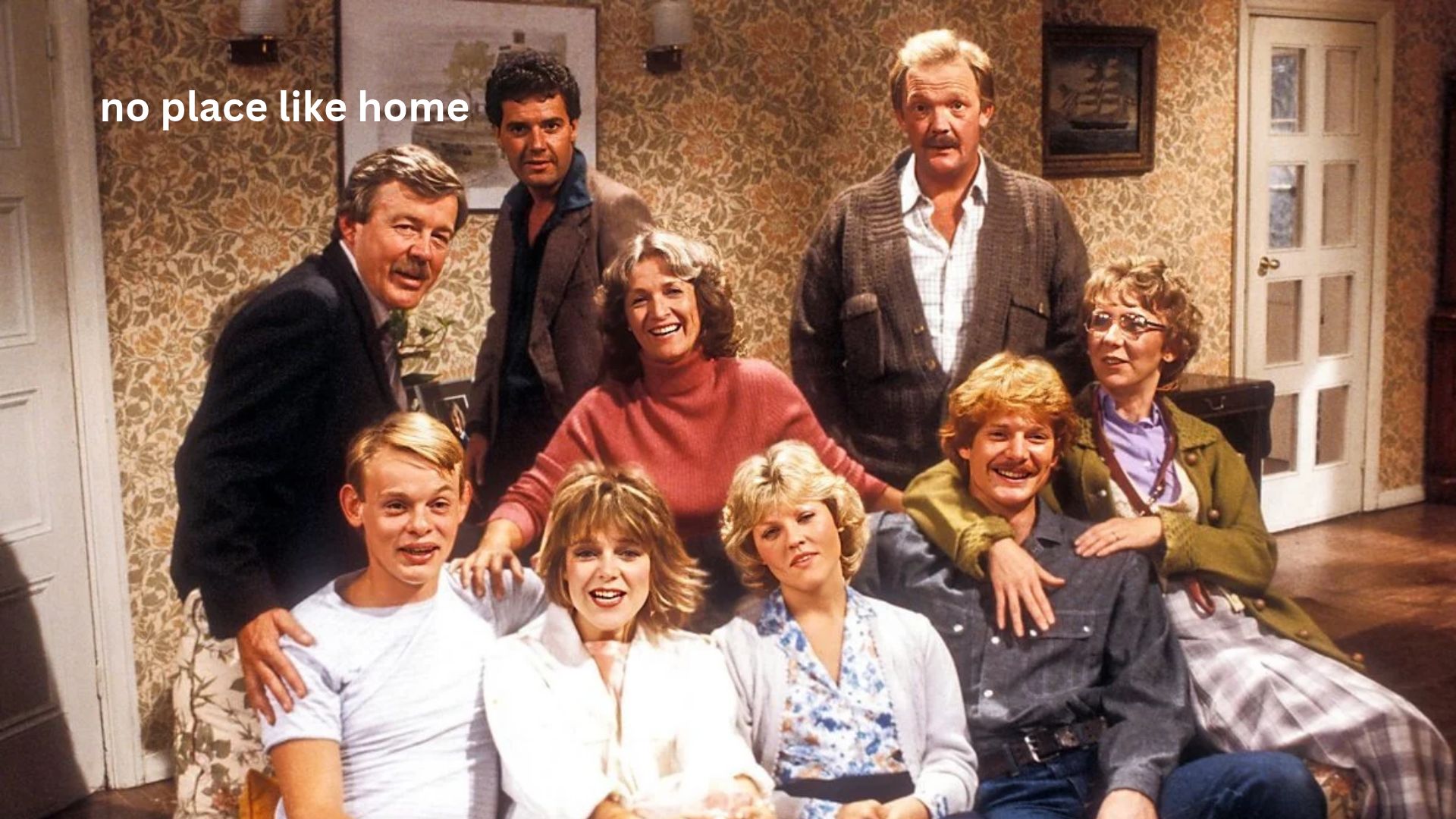
There are moments when you can be surrounded by beautiful places, comfortable hotels, busy streets, or exciting new experiences and still feel that something is missing. Then you walk through your own front door, put your things down, sit in your familiar chair, and suddenly feel a sense of relief. That simple feeling explains why the phrase no place like home continues to resonate with people across generations.
Home is not necessarily the biggest house, the most expensive apartment, or the place with the best furniture. For many people, it is the place where they can finally stop performing for the outside world. It may be connected to family, childhood memories, personal routines, privacy, safety, or simply the freedom to be themselves.
But what actually makes home feel different from anywhere else? And why can someone miss home even after spending only a short time away?
This article explores the deeper meaning of the phrase, the psychology behind our attachment to familiar spaces, and practical ways to make a home feel more comfortable, personal, and emotionally meaningful.
What Does “No Place Like Home” Mean?
The phrase “no place like home” means that a person’s own home provides a level of comfort, familiarity, security, and emotional connection that other places cannot easily replace.
It does not necessarily mean that every home is perfect. Homes can contain disagreements, responsibilities, financial pressures, and difficult memories. The expression is more about the unique relationship people develop with a place they consider their own.
For example, someone may spend two weeks on a luxury vacation and enjoy every minute of it. Yet, when they return home, sleeping in their own bed and following their normal morning routine can feel surprisingly satisfying.
That contrast is important.
Comfort is not always about luxury. Often, comfort comes from familiarity.
Why Does Home Feel So Different?
Several factors work together to make home psychologically special.
Familiarity Reduces Mental Effort
At home, most decisions are already made for you by your environment.
You know:
- Where everything is kept
- Which chair is most comfortable
- How the lights work
- Where to find your favorite food
- What time your neighborhood becomes quiet
- How your usual morning routine works
In an unfamiliar place, even simple tasks require attention. You may need to figure out where to eat, how to get around, or how to make an unfamiliar room comfortable.
At home, much of that mental work disappears.
This is one reason returning home after travel can feel calming even when the trip itself was enjoyable.
Home Contains Personal History
A house becomes more meaningful as experiences accumulate inside it.
A dining table might remind someone of family celebrations. A particular room may bring back memories of studying late at night. Even ordinary objects can become emotional reminders of important periods in life.
This means the emotional value of a home often grows over time.
The walls themselves are not necessarily special. The experiences associated with those walls are.
Home Provides a Sense of Control
Another important difference is control.
When you stay in a hotel, rental property, dormitory, or someone else’s house, you have to adapt to the environment. At home, you can change the temperature, rearrange furniture, choose what to cook, decide when to sleep, and create your own routines.
That control can have a powerful effect on well-being.
Even small choices matter. Being able to close the curtains, make your favorite drink, change the lighting, or sit quietly without explanation can provide a sense of personal freedom.
“No Place Like Home” After Traveling
People often understand the meaning of this phrase most clearly after being away from home.
Travel can be exciting because it breaks ordinary routines. You experience different food, cultures, landscapes, and social environments. However, constant change can eventually become tiring.
After several days or weeks away, familiar things may suddenly become valuable.
A person may start missing:
- Their own bed
- Familiar food
- Family conversations
- Their normal schedule
- Their neighborhood
- A favorite room
- The quietness of home
- Small everyday habits
Interestingly, people do not always miss the physical building itself. They may actually be missing the routine and identity connected to it.
This is an important distinction.
Someone can move to a new city and eventually create a new home there. What they miss from their old home may be the relationships, memories, and sense of belonging rather than the building.
Home Is About Belonging, Not Just Property
One of the most useful ways to understand home is to separate the idea of house from the idea of home.
A house is a physical structure.
A home is an emotional and social environment.
You can own a large house without feeling at home. Conversely, a small rented apartment can feel deeply personal and comforting.
Consider two situations.
Scenario one: A person moves into a beautiful but unfamiliar apartment. Everything is new, expensive, and professionally decorated. Yet they feel lonely because they have not developed routines or relationships there.
Scenario two: Another person lives in a modest apartment with second-hand furniture, familiar books, family photographs, and a favorite corner for drinking coffee. They feel completely comfortable.
The second space may have less financial value, but it may have considerably more emotional value.
That is why the saying remains relevant regardless of income or lifestyle.
How Family and Relationships Shape the Meaning of Home
For many people, home is strongly connected with other people.
A family dinner, a conversation after work, children playing in another room, or a partner asking how your day went can transform an ordinary space into a place of belonging.
However, family is not the only source of that feeling.
Home can also be created through:
- Close friends
- A partner
- Children
- Pets
- Neighbors
- Shared routines
- Community connections
Someone who lives alone can still experience a powerful sense of home.
The key ingredient is often emotional attachment, rather than the number of people living under one roof.
What If You Don’t Feel at Home?
This is where the idea becomes more complicated.
Not everyone associates home with comfort. Some people grow up in stressful environments, move frequently, experience family conflict, or relocate for education or work.
For them, the phrase “no place like home” may feel confusing or even untrue.
If you do not feel comfortable in your current home, that does not mean something is wrong with you.
You can gradually build a stronger sense of belonging by focusing on what you can control.
Start With Small Changes
You do not need a complete renovation.
Try creating one area that feels unmistakably yours.
It could be:
- A reading corner
- A comfortable desk
- A relaxing bedroom
- A small kitchen space
- A place for hobbies
- A quiet morning spot
The goal is not perfection. The goal is recognition: “This space reflects me.”
Build Consistent Rituals
Routines can make unfamiliar places feel familiar.
For example, you might:
- Make the same drink every morning.
- Prepare a favorite meal once a week.
- Keep a regular bedtime.
- Spend time in one favorite area of the home.
- Create a simple weekend tradition.
These repeated behaviors gradually give a space personal meaning.
A Less Obvious Insight: Home Can Travel With You
One of the less discussed aspects of home is that people can carry parts of it with them.
A favorite recipe, a familiar morning routine, a particular type of music, family traditions, or even the way someone organizes their belongings can create continuity after moving.
This explains why immigrants, students, military families, remote workers, and frequent travelers can gradually create a sense of home in completely different environments.
The physical location changes, but certain emotional anchors remain.
In that sense, home is partly a place and partly a collection of habits and relationships.
Another Insight: Sometimes You Miss a Version of Yourself
People often say they miss home when what they really miss is who they were there.
Perhaps home was associated with childhood, university years, family gatherings, or a period when life felt simpler.
Returning to the old location may not recreate that experience because the person has changed.
This can create a strange feeling: the place is familiar, but it no longer feels exactly the same.
That is not necessarily a failure.
It may simply mean that home is connected to both place and personal identity.
How to Make a New Place Feel Like Home
Moving can be emotionally difficult, especially when everything feels temporary.
Instead of trying to make the entire property perfect immediately, concentrate on creating familiarity.
1. Unpack Personal Items First
Objects with emotional meaning should not remain packed away for months.
Books, photographs, favorite decorations, familiar kitchen items, or personal keepsakes can make a new environment feel recognizable.
2. Recreate Important Routines
If you normally drink coffee while reading in the morning, continue doing it.
If you cook on weekends, keep that habit.
Routine creates continuity when everything else is changing.
3. Make the Space Functional
A beautiful room that does not work for your lifestyle can become frustrating.
Think about how you actually use the space.
If you work from home, prioritize a practical workspace. If you love cooking, organize the kitchen around the meals you actually prepare.
4. Invite People Into the Space
A home becomes socially meaningful through shared experiences.
Having a friend over for coffee or cooking dinner with family can create new memories surprisingly quickly.
5. Give It Time
This is perhaps the most overlooked point.
A new house may not feel like home after one week.
Emotional attachment develops through repetition, familiarity, and memories. Give yourself permission to let the feeling develop naturally.
Common Mistakes People Make When Trying to Create a Comfortable Home
Creating a welcoming home does not require following every interior design trend.
Some common mistakes include:
Trying to Make Everything Perfect
Perfection can make a home feel more like a showroom than a living space.
A few imperfect objects with personal meaning can create more warmth than expensive decorations.
Copying Someone Else’s Style
A room can look impressive while still feeling completely unlike you.
Choose things based on how you live, not simply on what looks popular online.
Ignoring Comfort
Furniture should be comfortable. Lighting should suit the activities you perform. Storage should make daily life easier.
A practical home often feels better than a visually perfect one.
Filling Every Empty Space
Empty space is not necessarily wasted space.
Leaving room to move, relax, and change things later can make a home feel less crowded and more flexible.
When “No Place Like Home” Matters Most
The meaning of home becomes especially powerful during major life changes.
People often appreciate home more when they are:
- Starting a new job
- Moving to another city
- Returning from travel
- Living away from family
- Going through a difficult period
- Starting university
- Becoming a parent
- Retiring
- Adjusting to a major lifestyle change
During uncertain periods, familiar surroundings can provide stability.
Home cannot solve every problem, but it can provide a place from which to deal with those problems.
Is Home Always a Physical Place?
Not necessarily.
For some people, home is a person. For others, it is a community, hometown, culture, language, or collection of traditions.
Someone may live thousands of miles away from where they grew up and still feel connected to that original sense of home.
Others may discover that their real home is somewhere they chose themselves.
This broader interpretation is useful because it avoids reducing home to property ownership.
Home is ultimately about where a person feels connected, accepted, safe, and able to live naturally.
FAQ
What is the deeper meaning of “no place like home”?
The deeper meaning is that home offers a combination of familiarity, emotional attachment, personal freedom, and belonging that other places often cannot reproduce. It does not mean that every home is perfect. Rather, it describes the unique comfort people can experience in a place that feels personally theirs.
Why do people feel homesick when they travel?
Homesickness often comes from losing familiar routines, relationships, surroundings, and a sense of control. Even when someone is enjoying a trip, the constant change can become mentally tiring. Familiar food, people, habits, and personal spaces can therefore become especially valuable.
Can a rented apartment feel like home?
Absolutely. Home does not depend on ownership. A rented apartment can become a home through personal routines, relationships, meaningful possessions, and everyday experiences. Emotional attachment generally matters more than whether someone owns the property.
How can I make a new house feel like home?
Start by bringing familiar routines and meaningful personal items into the new space. Make one area particularly comfortable and functional, then gradually create new memories there. Inviting people you care about and maintaining familiar habits can also accelerate the feeling of belonging.
Why does returning home feel so comforting after a long trip?
Returning home removes many of the small uncertainties associated with unfamiliar surroundings. You already know where things are, how your routines work, and what your environment feels like. That familiarity reduces mental effort and can produce a strong sense of relief.
Can a person have more than one place that feels like home?
Yes. People can develop meaningful attachments to multiple places during different stages of life. A childhood town, university city, family home, and current residence can all hold different kinds of emotional significance. Home does not have to be limited to a single geographical location.
Conclusion
The reason no place like home remains such a powerful expression is simple: home represents much more than four walls and a roof. It is where routines become familiar, relationships become meaningful, memories accumulate, and people can often relax into their ordinary selves.
A luxurious destination can provide excitement. A beautiful hotel can provide comfort. A new city can provide opportunity. But home provides something different—the feeling that you know where you are and, ideally, that you belong there.
And when circumstances force us to leave, we often discover what made home special in the first place.
Sometimes it was the people. Sometimes it was the routine. Sometimes it was the memories. And sometimes it was simply having a place where we could close the door, breathe out, and be ourselves.
That may be the real meaning behind the timeless feeling that there is no place like home.