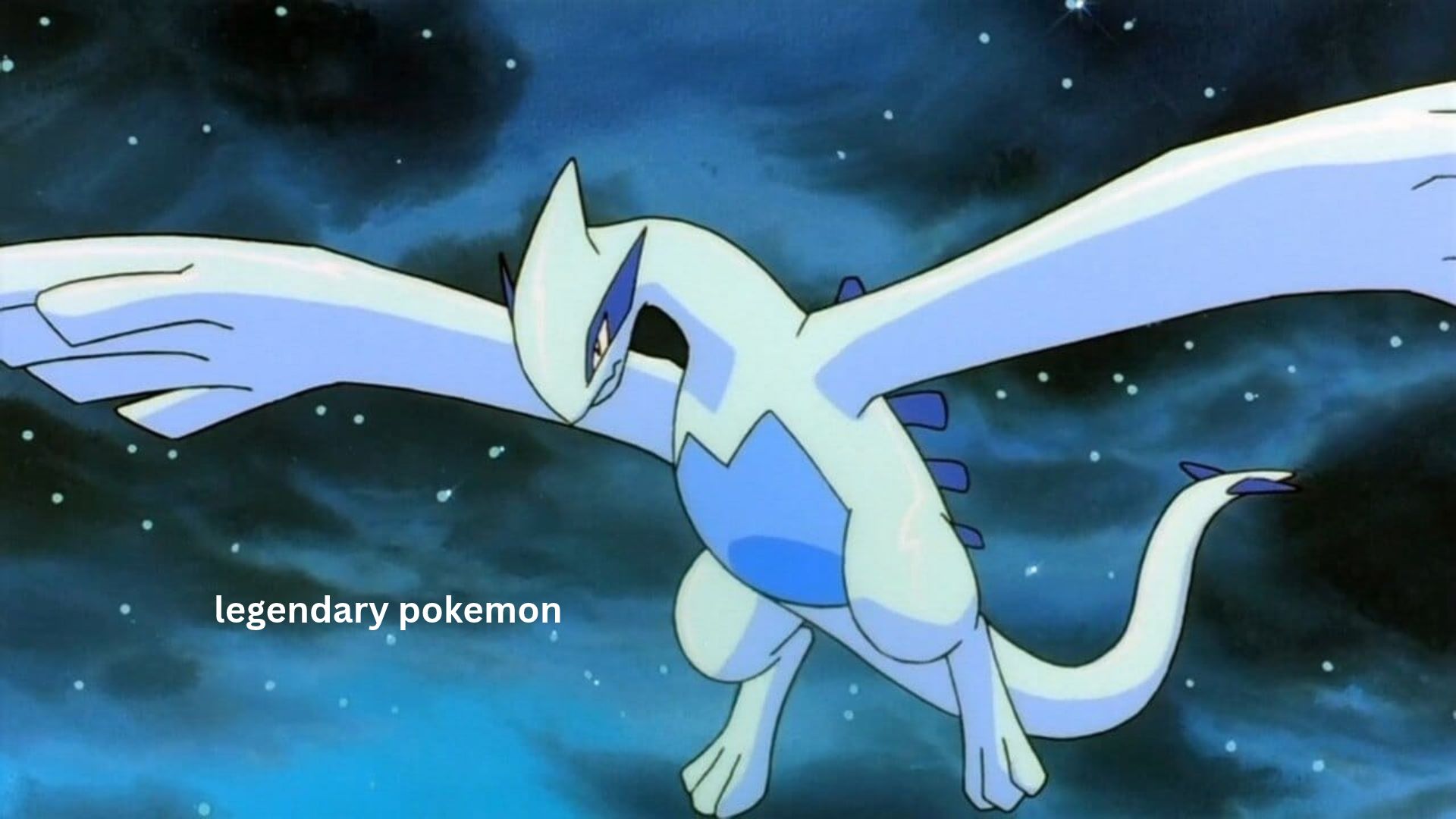


Pokémon Evolutions: How Every Evolution Method Works
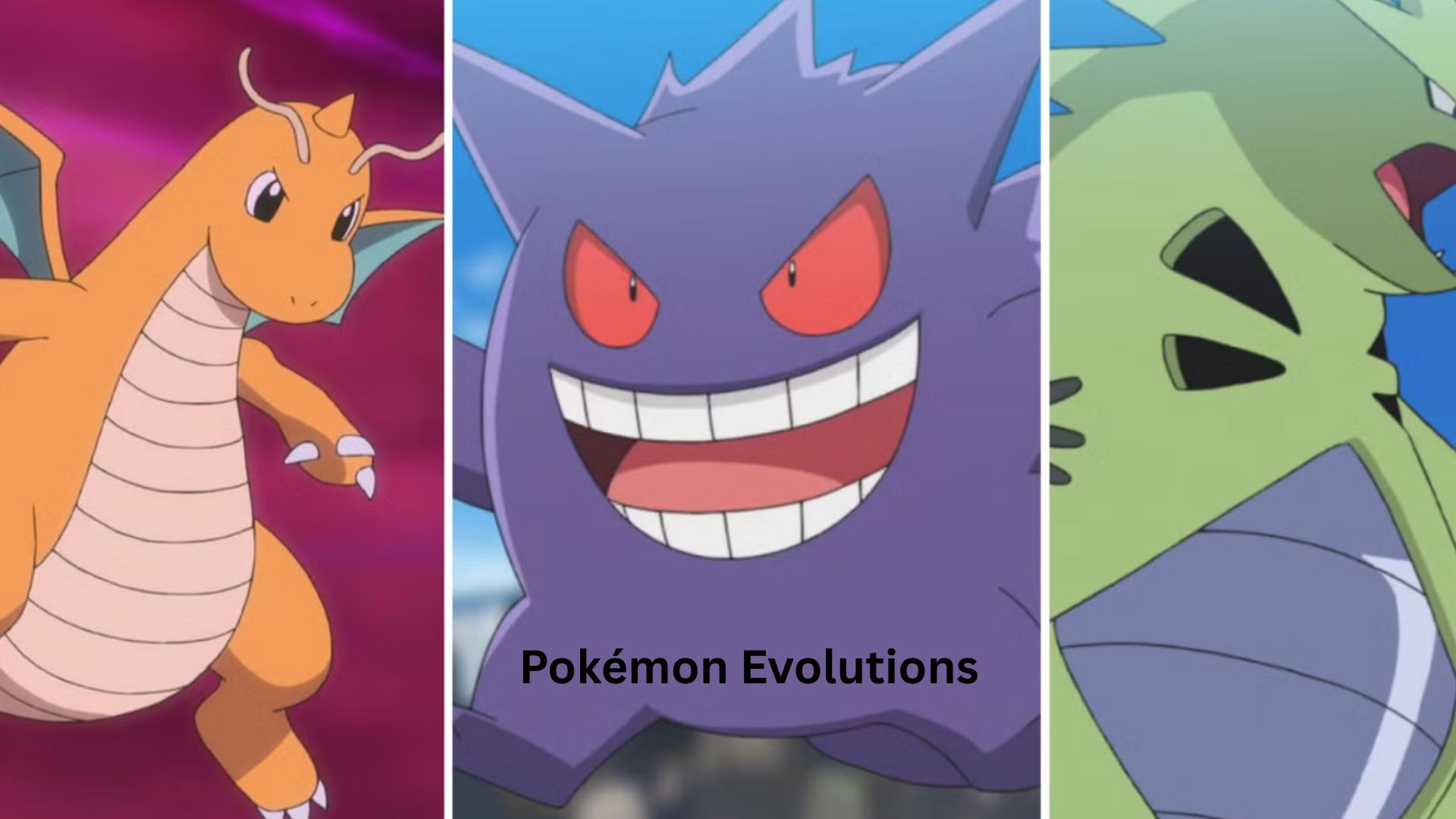
Few moments in Pokémon are as satisfying as watching a familiar Pokémon evolve into something stronger, stranger, or completely unexpected. But if you have ever tried to evolve a Pokémon and nothing happened, you already know that Pokémon evolutions are not always as simple as reaching a certain level. Some Pokémon evolve through levels, while others need specific items, friendship, locations, moves, weather conditions, time of day, or even unusual actions that the game never explains particularly well.
That is where evolution can become confusing. You may have the right Pokémon but the wrong condition, use an item on the wrong species, or spend hours leveling up a Pokémon that actually requires a special method.
This guide explains how Pokémon evolution works in practical terms. You will learn the major evolution methods, how to recognize what a Pokémon needs, common mistakes to avoid, and useful strategies for building a team around evolution rather than simply waiting for it to happen. The goal is simple: make evolution easier to understand so you can spend less time guessing and more time enjoying your Pokémon journey.
What Is Pokémon Evolution?
Pokémon evolution is a transformation in which one Pokémon changes into another species, usually becoming stronger and gaining different abilities, stats, moves, or typing.
A typical evolution chain might look like:
Basic Pokémon → Stage 1 → Stage 2
For example:
Bulbasaur → Ivysaur → Venusaur
However, not every Pokémon follows a three-stage structure. Some have only one evolution, some evolve once from a basic form, and others do not evolve at all.
Evolution can affect several important parts of a Pokémon:
- Base stats can increase significantly.
- Typing can change.
- New moves may become available.
- Abilities may change in certain cases.
- The Pokémon’s appearance and role in battle can change.
- Some evolutions gain access to moves much earlier or later than their previous form.
One important practical point is that evolution is not automatically better for every situation. A Pokémon may learn certain moves earlier before evolving, while an evolved form may offer much better stats. This is why experienced players sometimes delay evolution intentionally.
The Main Pokémon Evolution Methods
There is no single evolution rule that applies to every Pokémon. The most useful way to understand the system is to group evolution methods into several categories.
1. Level-Based Evolution
This is the easiest method to understand.
A Pokémon evolves when it reaches a particular level, assuming the evolution is not prevented.
For example, many Pokémon evolve at levels such as 16, 20, 30, or higher.
In practice, you simply need to:
- Add the Pokémon to your active party.
- Gain experience through battles or other available methods.
- Reach the required level.
- Allow the evolution sequence to begin.
If you cancel the evolution, the Pokémon normally remains unevolved and can try again later.
2. Evolution Stones
Some Pokémon evolve when you use a particular evolution stone on them.
Common examples include:
- Fire Stone
- Water Stone
- Thunder Stone
- Leaf Stone
- Moon Stone
- Sun Stone
- Shiny Stone
- Dusk Stone
- Dawn Stone
- Ice Stone
The important thing to remember is that stones are species-specific.
Having a Fire Stone does not mean every Fire-type Pokémon can evolve with it. The stone must match an evolution requirement for that particular Pokémon.
This is one of the easiest places for newer players to make mistakes.
3. Friendship-Based Evolution
Some Pokémon evolve when their friendship or happiness reaches a sufficiently high level.
This method can feel confusing because there is usually no obvious progress bar saying, “Your Pokémon is 80% ready to evolve.”
Friendship can generally be improved through positive interaction and regular use of the Pokémon, although the exact mechanics vary between games.
A practical strategy is to keep the Pokémon in your party, use it regularly, avoid unnecessary situations that reduce friendship, and make use of friendship-related features when the particular game provides them.
If the Pokémon has reached the required friendship level, gaining another level will often trigger evolution.
4. Trading Evolutions
Certain Pokémon historically require trading to evolve.
This means simply leveling them up will not work.
A classic example is:
Kadabra → Alakazam
Other famous trade-related evolution lines include Pokémon such as Machoke and Haunter, although the exact mechanics and alternatives can vary by game.
Trading can therefore be an important part of completing a Pokédex, particularly when an evolution is unavailable through normal leveling.
Some modern Pokémon games provide alternative methods or items that reduce the need for another player, so it is always worth checking the mechanics of the specific title you are playing.
Special Evolution Conditions
The most interesting Pokémon evolutions are often the ones that require something beyond a level or item.
Time of Day
Some Pokémon have different evolution requirements depending on whether it is day or night.
This creates an easy trap: you can satisfy every other requirement and still see no evolution because the in-game clock is wrong.
If an evolution does not happen after meeting the apparent requirement, check the time-related conditions before assuming the Pokémon is bugged.
Knowing a Specific Move
Some Pokémon evolve after learning or using a particular move.
This is different from ordinary level evolution because simply reaching the required level may not be enough.
A useful habit is to check the Pokémon’s current moves and available level-up moves before spending hours trying to trigger an evolution.
Location-Based Evolution
Certain Pokémon evolve only when they are leveled up in a particular location or under a specific environmental condition.
This is especially important in games where evolution mechanics are tied closely to the region.
If a Pokémon seems ready but refuses to evolve, consider whether the game expects you to be in a particular area.
Weather or Environmental Conditions
Some evolution mechanics have been connected to weather, terrain, or other environmental conditions.
These requirements can be particularly easy to miss because players naturally assume that evolution is based only on the Pokémon itself.
When troubleshooting an unusual evolution, think beyond the Pokémon’s level. Ask:
Where am I? What time is it? What conditions are active? What move does the Pokémon know?
That checklist can save a surprising amount of time.
Why Some Players Delay Evolution
Evolution is usually associated with becoming stronger, but delaying evolution can sometimes be useful.
The biggest reason is move learning.
An unevolved Pokémon may learn a particular move earlier than its evolved form. In other situations, evolution may change the level at which moves become available.
This creates an interesting choice:
Do you evolve immediately, or wait for a move first?
For a casual playthrough, evolving as soon as possible is usually perfectly reasonable. The stat improvements can make difficult battles easier.
For competitive or highly optimized play, however, move availability, abilities, stats, typing, and team strategy become much more important.
A practical approach is to check the evolution’s benefits before delaying it. Don’t postpone evolution simply because someone online says you should. If the evolved Pokémon gives your team exactly what it needs, evolving immediately may be the better choice.
A Useful Way to Think About Evolution
One overlooked aspect of Pokémon evolutions is that evolution is not just a progression system. It is also a team-building decision.
Imagine you have a Pokémon that evolves into a form with a different type.
That evolution could:
- Remove a weakness.
- Introduce a new weakness.
- Give your team better offensive coverage.
- Improve defensive synergy.
- Change which opponents are difficult to defeat.
- Alter the Pokémon’s role from fast attacker to defensive specialist.
This means the strongest-looking evolution is not necessarily the most useful one for your particular team.
Evolution and Team Balance
Before evolving a Pokémon with a major typing or role change, ask:
- What weaknesses does my current team have?
- What role does this Pokémon currently fill?
- What role will its evolved form fill?
- Will the new typing create a major weakness?
- Does the evolved Pokémon improve my matchups?
These questions are more useful than simply asking, “Is the evolved Pokémon stronger?”
Common Pokémon Evolution Mistakes
Mistake 1: Assuming Every Pokémon Evolves by Level
This is probably the most common misunderstanding.
If a Pokémon reaches several levels without evolving, don’t automatically assume something is wrong with the game.
Check whether its evolution requires an item, friendship, trading, a move, location, or another condition.
Mistake 2: Using an Evolution Stone Without Checking
Evolution stones can be limited or valuable depending on the game.
Before using one, confirm that the Pokémon actually evolves with that stone.
Mistake 3: Ignoring the Time or Location
If an evolution requires a specific time or location, repeatedly leveling the Pokémon somewhere else will not solve the problem.
Changing your surroundings can be more important than gaining another ten levels.
Mistake 4: Forgetting That Evolution Can Be Canceled
If you accidentally cancel an evolution, don’t panic.
In most situations, the Pokémon can evolve again once the required condition is met.
Mistake 5: Evolving Without Considering Moves
Sometimes players evolve immediately and later realize they wanted a move that was easier to obtain with the earlier form.
For a normal story playthrough, this may not matter much. For a carefully planned team, it can matter a lot.
A Practical Evolution Troubleshooting Method
When a Pokémon refuses to evolve, avoid randomly trying different things. Use a structured approach.
Step 1: Check the Species
Confirm the Pokémon actually has an evolution in the game you are playing.
Not every Pokémon evolves.
Step 2: Check the Evolution Type
Determine whether the evolution is based on:
- Level
- Item
- Friendship
- Trading
- Move
- Time
- Location
- Weather
- Another special condition
Step 3: Confirm the Exact Requirement
Small differences matter.
“High friendship” is not the same as simply having the Pokémon in your party. “Level up at night” is different from “reach a certain level.”
Step 4: Recreate the Condition
Once you know the requirement, deliberately trigger it.
For example, if the evolution requires a level-up at a particular time, make sure the required condition is active before gaining the level.
Step 5: Check Whether Evolution Was Canceled
If you pressed the wrong button during the evolution sequence, simply try again when the condition is satisfied.
This troubleshooting approach is much faster than repeatedly grinding experience without knowing what the game expects.
Pokémon Evolutions Across Different Games
One important detail is that evolution mechanics can change between Pokémon games.
A Pokémon that evolves one way in one title may have a different method, alternative method, or different availability in another.
This is why generic evolution lists can sometimes cause confusion.
When you are trying to evolve a specific Pokémon, always think in terms of:
Pokémon + game version + evolution requirement
rather than simply searching for the Pokémon’s name.
This is particularly important for players moving between generations, remakes, spin-offs, and newer titles.
Three Less-Obvious Insights About Evolution
Evolution Can Change Your Strategy More Than Your Stats
Players often focus on the increase in numerical stats, but a change in typing, ability, speed, or move access can have a much larger practical effect.
A modest statistical improvement can be less valuable than gaining a completely different battle role.
Evolution Is Also a Resource-Management Decision
Evolution stones, friendship-building opportunities, trade access, and other requirements can influence when you should evolve a Pokémon.
If a resource is limited, don’t use it simply because you have it. Think about which evolution provides the greatest benefit to your current team.
An Evolution Guide Is Not Always a Team-Building Guide
Knowing how to evolve a Pokémon and knowing when you should evolve it are two different questions.
The first is a mechanical problem.
The second is a strategy problem.
Understanding that distinction is one of the simplest ways to move from casually playing Pokémon to making deliberate team decisions.
Frequently Asked Questions
What are the main types of Pokémon evolutions?
The main evolution methods include leveling up, using evolution stones, increasing friendship, trading, learning specific moves, and meeting special conditions. Some Pokémon also require a particular time, location, weather condition, or other game-specific requirement. The exact method depends on both the Pokémon and the game.
Why isn’t my Pokémon evolving when it levels up?
The Pokémon may not have a level-based evolution. It could require an item, friendship, trading, a particular move, location, time of day, or another special condition. Check the exact evolution requirement for that Pokémon in the specific game you are playing.
Can I stop a Pokémon from evolving?
Yes. In most main-series games, you can cancel an evolution during the evolution sequence. The Pokémon can generally attempt to evolve again later when the requirement is met. Some players intentionally delay evolution to obtain certain moves or manage their team differently.
Is it better to evolve a Pokémon immediately?
Usually, evolving immediately is a good choice for a normal story playthrough because the evolved Pokémon often has better stats. However, delaying evolution can sometimes provide access to moves earlier or fit a specific strategy better. The best decision depends on how you are using the Pokémon.
Do all Pokémon have evolutions?
No. Some Pokémon are designed as single-stage species and do not evolve. Others have only one evolutionary step, while some have multiple stages or branching evolution paths. Evolution availability can also differ between individual Pokémon games.
Why do Pokémon have such unusual evolution requirements?
Special evolution methods make different Pokémon feel distinct rather than turning evolution into a simple level-grinding system. They encourage players to experiment with friendship, items, locations, trading, moves, and other mechanics. In practical terms, these requirements also create different ways for players to discover and interact with their Pokémon.
Conclusion
Pokémon evolutions are much more varied than simply reaching a higher level. Some Pokémon evolve through experience, while others depend on stones, friendship, trading, moves, time, location, or special conditions. Understanding these differences makes it much easier to solve the frustrating moment when a Pokémon refuses to evolve.
The most useful habit is to stop treating evolution as a single system. Think about the specific Pokémon, the game you are playing, the exact requirement, and how the resulting evolution fits your team.
And remember: the best evolution decision is not always the fastest one. Sometimes evolving immediately is exactly what your team needs; sometimes waiting gives you a useful move or strategic advantage. Once you understand that distinction, evolution becomes less of a guessing game and much more of a deliberate part of your Pokémon adventure.