

Dance of the Elements Decklist Guide: How the Commander Precon Really Plays
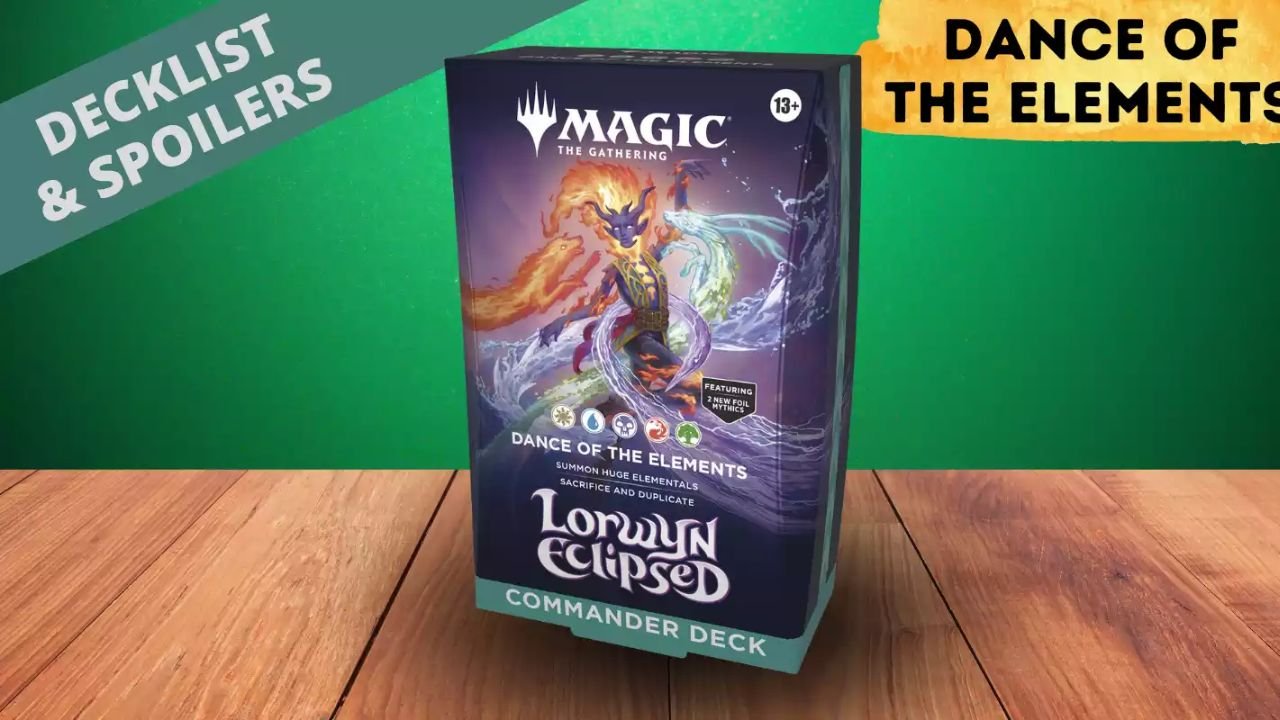
If you’ve recently picked up the Dance of the Elements Commander deck and are wondering whether it’s worth upgrading, how it plays at the table, or where to find the most effective decklist variations, you’re not alone.
Many Commander players buy a preconstructed deck expecting it to perform smoothly right out of the box, only to discover that understanding its strategy takes a few games. The Dance of the Elements deck is one of those Commander products that looks straightforward at first glance but reveals much deeper gameplay once you understand its elemental synergies, resource engines, and win conditions.
Whether you’re searching for a Dance of the Elements decklist on Moxfield, looking for upgrade ideas, or trying to learn how the Lorwyn Eclipsed version functions in multiplayer Commander, this guide breaks everything down in practical terms. Instead of simply listing cards, we’ll examine why the deck works, what its strongest plays are, and how experienced Commander players are modifying it for better results.
By the end, you’ll have a clear understanding of how to pilot the deck, where its weaknesses lie, and which upgrades provide the biggest impact without completely rebuilding the strategy.
What Is the Dance of the Elements Deck?
Dance of the Elements is a Commander deck built around the idea of harnessing elemental creatures and turning them into a powerful engine capable of overwhelming opponents through value, board presence, and synergy.
Rather than focusing on a single giant combo, the deck typically rewards players for:
- Casting creatures consistently
- Generating elemental tokens
- Triggering enter-the-battlefield abilities
- Building incremental advantage
- Leveraging elemental tribal interactions
This creates a playstyle that feels interactive and flexible. You aren’t forced into one specific game plan. Instead, you adapt based on the board state and available resources.
For many Commander players, this makes the deck enjoyable because every game unfolds differently.
Core Strategy Explained
The biggest mistake new pilots make is assuming the deck wins through raw creature power alone.
In reality, successful games often revolve around three stages.
Early Game: Establish Resources
During the first few turns, your priority is usually:
- Mana acceleration
- Color fixing
- Developing supporting permanents
- Preparing elemental synergies
Strong starts often involve mana rocks, ramp spells, or utility creatures that help cast larger threats later.
Avoid committing too many important creatures early unless they provide immediate value.
Mid Game: Generate Value
This is where the deck begins to shine.
Many elemental-focused cards generate additional resources when they enter the battlefield or interact with other creatures.
At this stage, you’re trying to:
- Create multiple threats
- Draw cards
- Produce tokens
- Build a resilient board state
A common pattern is casting creatures that immediately replace themselves through card draw or token creation.
This prevents opponents from easily disrupting your momentum.
Late Game: Overwhelm the Table
Once enough resources are assembled, the deck can shift into a finishing role.
Typical end-game scenarios include:
- Massive elemental armies
- Repeated value loops
- Large combat swings
- Overrun-style finishes
- Explosive turns involving multiple triggers
Unlike dedicated combo decks, Dance of the Elements usually wins by creating more value than opponents can answer.
Typical Dance of the Elements Decklist Structure
While exact lists vary between preconstructed versions and upgraded builds, most successful decklists share a similar framework.
Ramp Package (10–14 Cards)
Commander games are often decided by mana efficiency.
Common ramp categories include:
- Signets
- Talismans
- Land-search spells
- Mana-producing creatures
The goal is reaching your impactful elemental creatures ahead of curve.
Card Advantage (8–12 Cards)
Because the deck wants to keep deploying threats, maintaining card flow is essential.
Effective card advantage sources often include:
- ETB draw effects
- Creature-based draw engines
- Repeatable enchantments
- Commander-triggered value
Running out of cards is one of the easiest ways for this archetype to fall behind.
Interaction Suite (8–10 Cards)
Many new players underestimate interaction.
A healthy Dance of the Elements list usually contains:
- Creature removal
- Artifact removal
- Enchantment removal
- Board wipes
- Flexible answers
Without these tools, faster decks can simply race ahead.
Elemental Synergy Package
This forms the heart of the deck.
The best elemental cards typically:
- Reward casting elementals
- Produce elemental tokens
- Buff existing elementals
- Trigger from creatures entering play
These synergies create the explosive turns that define the archetype.
Finishers
Every Commander deck needs ways to close games.
Common finisher categories include:
- Mass power boosts
- Token multiplication
- Combat-focused effects
- High-impact legendary creatures
A strong finisher turns an established board into a victory rather than allowing opponents additional turns to recover.
How the Precon Performs Out of the Box
One of the most common questions is whether the Dance of the Elements precon is playable without upgrades.
The short answer is yes.
The deck generally performs well in casual Commander environments because:
- It has a coherent game plan.
- The synergies are easy to understand.
- It generates steady value.
- It scales well into multiplayer games.
However, experienced players quickly notice a few limitations.
Weakness #1: Speed
Preconstructed decks often include slower cards to maintain accessibility.
Against tuned Commander decks, the precon can struggle to keep pace.
Weakness #2: Mana Base
Many precons use budget-friendly lands.
Upgrading the mana base is frequently the single biggest improvement available.
Weakness #3: Inconsistent Draw
Some games can feel amazing while others stall due to insufficient card advantage.
Additional draw engines significantly improve consistency.
Popular Upgrade Paths
Most Moxfield upgrade lists focus on improving consistency rather than reinventing the deck.
Upgrade the Lands First
Many Commander veterans recommend upgrading lands before anything else.
Better mana means:
- Fewer missed turns
- More reliable color access
- Faster gameplay
Even modest improvements can dramatically affect performance.
Add Efficient Ramp
Reducing the average mana cost of your acceleration helps the deck establish itself earlier.
Look for cards that:
- Cost two mana
- Fix colors efficiently
- Provide long-term value
Improve Card Draw
Additional draw effects ensure the deck can continue applying pressure throughout the game.
This is particularly important after board wipes.
Increase Synergy Density
Some precon cards exist primarily for flavor.
Replacing lower-impact inclusions with stronger elemental synergies often produces immediate results.
Finding a Dance of the Elements Decklist on Moxfield
Many players search for “Dance of the Elements decklist Moxfield” because Moxfield provides an easy way to compare builds and upgrade paths.
When reviewing Moxfield lists, pay attention to:
Average Mana Value
A lower curve generally produces smoother gameplay.
Card Draw Count
Strong Commander lists usually dedicate significant space to card advantage.
Ramp Count
Insufficient ramp frequently causes decks to underperform.
Win Conditions
Look for how the deck intends to actually close games.
Some lists generate huge value but lack reliable finishers.
The strongest builds maintain balance between these categories.
Multiplayer Commander Tips
Understanding multiplayer dynamics is just as important as understanding the deck itself.
Avoid Becoming the Early Threat
If opponents view you as the biggest danger too soon, you’ll attract removal and attacks.
Instead:
- Develop gradually
- Hold key threats
- Preserve resources
Sequence Value Creatures Carefully
Whenever possible, play creatures that generate immediate value.
This minimizes the impact of removal.
Expect Board Wipes
Commander tables frequently reset the battlefield.
Avoid overcommitting all resources unless you can secure a win.
Focus on Long-Term Advantage
Dance of the Elements performs best when allowed to accumulate incremental value over several turns.
Patience often produces better results than aggressive overextension.
Common Mistakes New Players Make
Several recurring mistakes hurt performance.
Playing Every Threat Immediately
Holding back resources protects you from sweepers.
Ignoring Card Draw
Many players focus exclusively on creatures.
Without card advantage, momentum eventually disappears.
Overvaluing Tribal Bonuses
Not every elemental belongs in the deck simply because it shares a creature type.
Prioritize cards that actively advance your game plan.
Neglecting Interaction
Even synergy-focused decks need answers.
Removing an opponent’s key permanent can often matter more than adding another creature.
Is Dance of the Elements Worth Upgrading?
For most Commander players, absolutely.
The deck provides a strong foundation with clear upgrade paths and meaningful strategic decisions.
What makes it particularly appealing is that upgrades scale naturally.
You can:
- Make budget improvements
- Optimize mana
- Increase consistency
- Enhance elemental synergies
without abandoning the original identity of the deck.
This allows players to personalize their build while still enjoying the elemental theme that attracted them in the first place.
Final Thoughts
The Dance of the Elements decklist succeeds because it combines tribal synergy, resource generation, and interactive gameplay into a package that feels rewarding for both new and experienced Commander players.
While the preconstructed version is perfectly playable in casual settings, targeted upgrades can significantly improve consistency and power. The best results usually come from strengthening the mana base, increasing card draw, and refining elemental synergies rather than chasing expensive splashy cards.
If you’re exploring Moxfield lists, comparing Lorwyn Eclipsed builds, or simply learning how the Commander precon operates, remember that the deck’s greatest strength isn’t any single card. It’s the way multiple elemental interactions work together to generate value turn after turn.
Master those interactions, and you’ll discover why so many Commander players continue refining and enjoying Dance of the Elements long after their first game.
Outing Club examines the life stories, family histories, and personal paths of famous individuals, giving readers a more in-depth view of the people behind news and media attention.