


Fire Emblem Three Hopes: What You Should Know
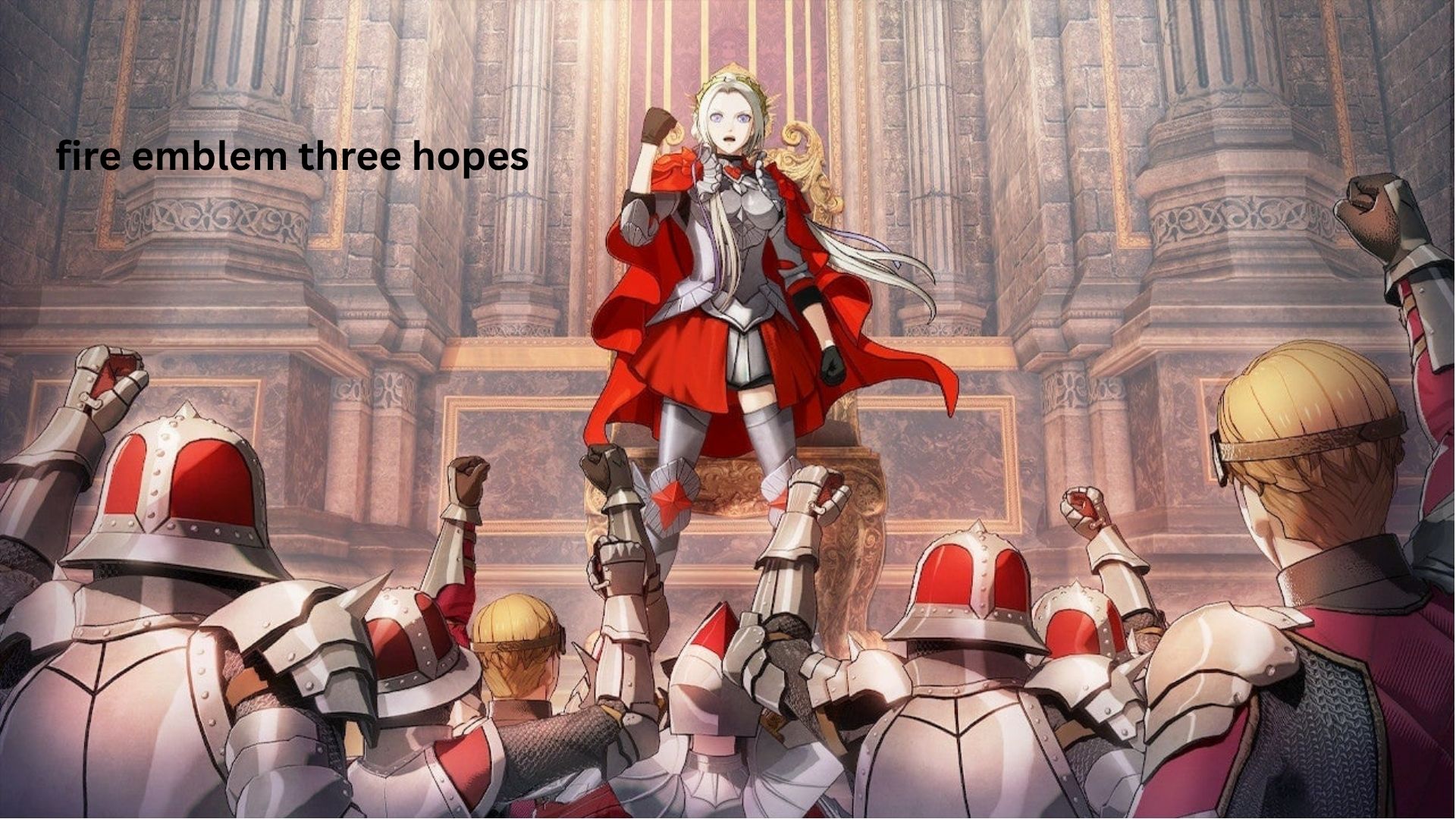
If you start Fire Emblem Three Hopes expecting a straightforward Warriors-style action game, the opening hours can be surprisingly confusing. There are dozens of playable characters, multiple factions, class choices, ability systems, camp activities, and a story that changes depending on which path you choose. It is easy to spend hours fighting effectively while still building your characters poorly.
The good news is that Fire Emblem Warriors: Three Hopes becomes much easier to understand once you recognize what actually matters. You do not need to master every system immediately, and you do not need to optimize every character from the beginning. The important decisions are knowing which route fits your interests, developing a small core roster, understanding class progression, and using the battlefield commands rather than treating every mission as a button-mashing exercise.
This guide explains Fire Emblem Three Hopes from the perspective of someone trying to get the most from a first playthrough. It covers the story routes, gameplay, classes, characters, combat strategy, recruitment, progression, common mistakes, and the questions players usually have before committing dozens of hours to the game.
What Is Fire Emblem Three Hopes?
Fire Emblem Warriors: Three Hopes is a Nintendo Switch action RPG developed by Omega Force and published by Nintendo in collaboration with Intelligent Systems. It is a spin-off of Fire Emblem: Three Houses, using the same setting, factions, characters, and alternate-history concept.
The biggest difference is combat.
Instead of controlling one unit at a time on a traditional grid-based Fire Emblem map, you directly control characters in large real-time battles. Your character can defeat huge groups of enemies, capture strongholds, issue orders to allied units, switch between playable characters, and complete several objectives simultaneously.
Think of it as:
Three Houses’ world + Warriors-style combat + RPG progression + branching story.
The game is not simply Three Houses with different fighting mechanics. It tells a substantially different story because your actions introduce Shez, the game’s new protagonist, into the events surrounding the Officers Academy and the three major powers of Fódlan.
How Does the Story Work?
One of the most important things to understand is that there is no single campaign that represents the entire story.
Your major route choice determines the political perspective and many of the battles you experience.
The three principal paths are:
- Scarlet Blaze — Edelgard and the Adrestian Empire
- Azure Gleam — Dimitri and the Holy Kingdom of Faerghus
- Golden Wildfire — Claude and the Leicester Alliance
Each route provides its own version of events, characters, missions, and conclusions.
Scarlet Blaze
Scarlet Blaze follows Edelgard and the Empire.
This route is particularly interesting if you want to understand Edelgard’s motivations and see the conflict from the Imperial side. It also makes substantial changes to several events familiar from Three Houses.
Azure Gleam
Azure Gleam places Dimitri and Faerghus at the center.
It is arguably the route most strongly driven by Dimitri’s personal development. If you enjoyed the emotional and character-focused elements of Dimitri’s storyline in Three Houses, this route has plenty to offer.
Golden Wildfire
Golden Wildfire follows Claude and the Leicester Alliance.
The route gives more attention to Claude’s political ambitions, the Alliance’s position in the war, and questions surrounding Fódlan’s relationship with outsiders.
Which Route Should You Play First?
There is no universally correct answer.
A practical approach is to choose based on the character whose perspective interests you most:
| If you prefer… | Start with |
|---|---|
| Edelgard and Imperial politics | Scarlet Blaze |
| Dimitri and character drama | Azure Gleam |
| Claude and political strategy | Golden Wildfire |
The important point is that Three Hopes is designed to be replayed. Trying to choose the “perfect” first route can actually make the decision harder than it needs to be.
Is Three Hopes a Sequel to Three Houses?
Not exactly.
It is better understood as an alternate storyline based on the same world and characters.
The introduction of Shez changes the timeline, meaning events do not unfold exactly as they do in Three Houses. Some characters survive different situations, certain relationships develop differently, and familiar conflicts can take unexpected turns.
That distinction matters because you should not approach Three Hopes expecting every major event from Three Houses to happen again.
If you have played Three Houses, the changes are part of the appeal.
If you have not, the game still provides enough context to follow the central conflict, although familiarity with the original game makes many character and political developments more meaningful.
Understanding Three Hopes Combat
At first, combat looks simple: attack groups of enemies and defeat the objective target.
There is considerably more strategy underneath it.
A typical battle may require you to:
- Capture enemy strongholds.
- Defeat specific commanders.
- Protect an allied unit.
- Respond to an unexpected enemy.
- Send another character to a different location.
- Exploit an enemy’s weakness.
- Prevent a particular character from escaping.
This is why simply controlling your strongest character everywhere is inefficient.
Use Your Entire Team
You can normally control multiple characters during missions.
Switching between them lets you handle problems immediately.
For example, suppose your main character is fighting an enemy commander on the western side of the map while an enemy mage is attacking an allied unit on the east. Instead of abandoning the first fight, switch to your eastern character, eliminate the threat, and then return to the original battle.
That small habit makes difficult missions much more manageable.
Orders Are More Important Than They Look
The tactical command system is one of the most useful features for players coming from traditional Warriors games.
You can assign characters to:
- Attack targets
- Defend positions
- Guard allies
- Seize locations
- Follow another unit
- Retreat from danger
The result is a hybrid combat style.
You are fighting in real time, but you are also managing a small battlefield.
The Weapon Triangle Still Matters
Players familiar with traditional Fire Emblem should pay attention to weapon advantages.
Different classes and weapons interact with enemy defenses and weaknesses. Using an appropriate unit against a particular enemy can dramatically improve how quickly that enemy falls.
This creates a simple practical rule:
Do not build your team entirely around raw damage. Build around coverage.
Having several characters who perform similar roles can leave you poorly prepared when the game throws a particular enemy type or objective at you.
A balanced team might include:
- A strong melee attacker
- A fast damage dealer
- A magic-focused unit
- A healer or support character
- A character capable of exploiting specific enemy weaknesses
You do not need every role in every mission, but having options is valuable.
Classes and Character Development
Class progression is one of the deepest RPG systems in Three Hopes.
Characters can move through different class tiers, allowing you to experiment with alternative builds rather than locking someone permanently into the role suggested by their starting class.
This is where new players can easily waste resources.
Do Not Train Everyone Equally
There are many characters.
Trying to keep the entire roster equally leveled can spread your resources too thin.
Instead, establish a core group of perhaps six to eight characters that you genuinely enjoy using.
Then maintain a secondary group for missions that require particular abilities.
This approach gives you flexibility without turning character management into a chore.
Experiment With Classes
One underappreciated feature is that a character’s initial identity does not necessarily have to determine their final build.
A character who starts as one type of fighter can eventually access other classes and learn useful abilities along the way.
Even if you ultimately return to the character’s strongest class, temporarily changing classes can be worthwhile because the skills and abilities gained during progression may improve the final build.
A Better Way to Think About Abilities
A common mistake is choosing abilities based solely on their description.
Instead, think about how frequently you will actually trigger them.
An ability that provides a modest benefit during nearly every battle can be more useful than a powerful effect that rarely activates.
When comparing abilities, ask:
- Does this work with my normal attack pattern?
- Does it improve the character’s biggest weakness?
- Does it help against bosses or regular enemies?
- Does it require a setup I rarely use?
- Does another ability provide a similar effect more consistently?
This simple evaluation prevents a lot of unnecessary optimization.
The Camp Is More Important Than It First Appears
Between battles, your base camp provides opportunities to improve characters and relationships.
You can interact with characters, train, manage equipment, complete activities, and improve various aspects of your army.
It can feel like optional downtime, but it has real gameplay value.
Build Relationships Naturally
Support and relationship systems are not merely decorative.
Improving relationships can provide gameplay benefits and unlock additional conversations.
A useful approach is to focus your attention on characters you actually use instead of attempting to maximize every relationship.
This saves time and creates a stronger connection between your strategic choices and the characters you care about.
Recruitment: Pay Attention to Opportunities
Recruitment can vary depending on your route and decisions.
One of the easiest mistakes is assuming that every character will simply become available later.
Some opportunities are connected to particular missions or decisions, so if recruiting a specific character matters to you, pay close attention to the objectives and dialogue surrounding major battles.
A practical first-playthrough rule is:
Before making a major story decision, check whether the game is signaling that your choice could affect available allies.
You do not need to obsessively follow a guide, but being alert can prevent an unwanted outcome.
The Most Useful Strategy for Difficult Battles
When a mission suddenly becomes difficult, do not immediately assume that you need higher levels.
Check these things first.
1. Look at the Map
Identify:
- Enemy commanders
- Strongholds
- Ally locations
- Reinforcement points
- Mission objectives
Often, the problem is positioning rather than damage.
2. Check Enemy Weaknesses
If an enemy commander is taking too long to defeat, you may be using the wrong character or weapon type.
Switching to a suitable counter can save a surprising amount of time.
3. Give Orders
Your AI-controlled allies can handle tasks while you focus on the immediate threat.
This is especially useful when several objectives are active simultaneously.
4. Watch Your Health
Because combat is fast, it is easy to become overly aggressive.
If you are repeatedly dying, try changing your approach rather than simply attacking harder. Dodge, reposition, use abilities intelligently, and allow your controlled characters to share the workload.
Three Hopes vs. Three Houses
The two games share a world but deliver very different experiences.
| Feature | Three Hopes | Three Houses |
|---|---|---|
| Combat | Real-time action | Turn-based strategy |
| Battles | Large enemy groups | Tactical grid maps |
| Protagonist | Shez | Byleth |
| Story | Alternate timeline | Original timeline |
| Character management | RPG/action focused | Strategy/RPG focused |
| Route structure | Three major paths | Multiple story routes |
| Main appeal | Fast combat + alternate story | Tactical strategy + simulation |
If you loved Three Houses mainly because of the monastery, relationship systems, and traditional Fire Emblem strategy, Three Hopes will feel quite different.
If you wanted to spend more time actually controlling the characters in combat, however, Three Hopes may be exactly what you were looking for.
Three Less-Obvious Insights About Three Hopes
The Game Rewards Battlefield Management
The strongest player is not necessarily the one who kills enemies fastest.
Knowing where to be and when to switch characters often matters more than squeezing another few points of damage from a build.
That is why an apparently weaker character can perform better in a mission when their movement and matchup are appropriate.
Replaying Routes Changes the Meaning of Characters
Seeing the same character from different political perspectives can change how you interpret their motivations.
A character who appears straightforward on one route can look much more complicated when you encounter them from another side of the conflict.
This is one reason the game’s alternate-history structure works better after your first campaign.
Temporary Class Changes Are a Strategic Tool
Class progression should not be viewed simply as “find the best class and stay there.”
Sometimes the best long-term build comes from deliberately passing through other classes to acquire useful abilities.
That makes progression feel more like developing a toolkit than selecting a permanent job.
Common Mistakes New Players Should Avoid
Here are some mistakes that can make the game unnecessarily difficult:
- Only using the protagonist. You lose much of the game’s tactical flexibility.
- Ignoring enemy weaknesses. Raw damage is not always the fastest solution.
- Treating orders as optional. Battlefield commands can save entire missions.
- Training every character equally. Your resources are better concentrated.
- Ignoring class abilities. Class progression affects more than appearance.
- Skipping camp activities completely. Some provide useful progression and relationship benefits.
- Trying to discover every secret on the first playthrough. You can enjoy later routes with a much better understanding of the world.
- Assuming Three Hopes plays like Three Houses. The combat philosophy is fundamentally different.
Is Fire Emblem Three Hopes Worth Playing?
For fans of Three Houses, the answer is generally yes—especially if you are interested in seeing familiar characters and conflicts through a substantially different storyline.
It is also worth considering if you enjoy action games with RPG progression but want more tactical decision-making than a typical Warriors title.
The biggest potential drawback is repetition. Because the game is built around large-scale battles, players who dislike Warriors-style combat may find the action loop repetitive over a long campaign.
But if you enjoy combining fast combat with character development, battlefield management, and branching stories, the formula has considerable depth.
FAQ
Is Fire Emblem Three Hopes connected to Three Houses?
Yes. Fire Emblem Warriors: Three Hopes uses the same world, factions, and many of the same characters as Three Houses. However, it takes place in an alternate storyline created by Shez’s involvement in the events. You should therefore expect familiar characters and concepts alongside major changes to the original story.
Which Three Hopes route should I play first?
Choose the route associated with the character or faction you find most interesting. Scarlet Blaze focuses on Edelgard and the Empire, Azure Gleam centers on Dimitri and Faerghus, while Golden Wildfire follows Claude and the Alliance. There is no objectively correct first route, so your personal interest is the best deciding factor.
Can you play Fire Emblem Three Hopes without playing Three Houses?
Yes. You can understand and enjoy Three Hopes without having played Three Houses. However, prior knowledge makes many character relationships, political conflicts, and alternate events more interesting. If you already know the original game, you will also notice more clearly where Three Hopes deliberately changes the timeline.
Is Fire Emblem Three Hopes turn-based?
No. Unlike traditional Fire Emblem games, Three Hopes uses real-time action combat. You directly control characters while fighting large groups of enemies, but you can also issue tactical commands to other units. The result combines Warriors-style action with strategic battlefield management.
How many characters can you control in Three Hopes?
The game has a large playable roster, with availability depending on the route and story progression. You do not need to develop everyone equally. For a first playthrough, concentrating on a dependable core group while maintaining a few specialized alternatives is usually a more efficient approach.
Final Thoughts
Fire Emblem Three Hopes works best when you stop treating it as simply a faster version of Three Houses.
Its real strength is the combination of real-time combat, tactical commands, character progression, class experimentation, and alternate storytelling. The three routes are not merely cosmetic variations; each gives you a different perspective on Fódlan and encourages you to reconsider familiar characters.
For a first playthrough, concentrate on a core team, learn to exploit weaknesses, use battlefield commands, and resist the urge to optimize every character immediately. Once those fundamentals become natural, the combat becomes much more satisfying—and the route-specific story differences give you a good reason to return for another campaign.