


Gov.uk Website Changes Branding: What It Means for Users, Businesses, and Digital Government
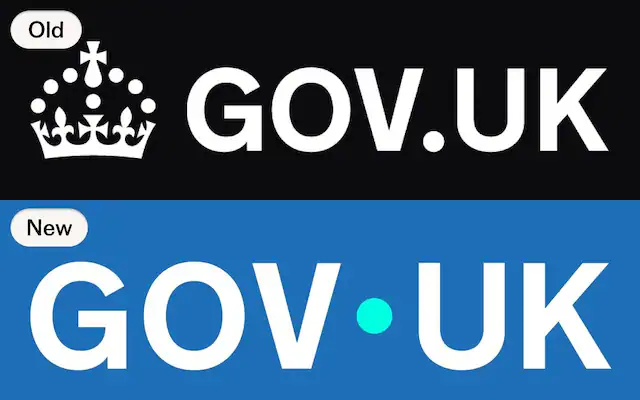
Have you ever opened a familiar website and instantly noticed that something felt different? Maybe the logo looked cleaner, the colors seemed refreshed, or the layout felt more modern. Even small design changes can catch our attention, especially when they happen on websites we trust and use regularly.
That’s exactly why discussions around Gov.uk website changes branding have attracted interest from citizens, digital professionals, businesses, and public sector organizations alike. GOV.UK is one of the most recognized government websites in the world, known for its simple design, accessibility, and user-focused approach. So when branding updates appear, people naturally wonder what has changed and why.
Branding is often misunderstood as just logos and colors. In reality, it reflects how an organization presents itself, communicates information, and builds trust. For a government platform serving millions of users, branding decisions are far more significant than they might initially seem.
In this article, we’ll explore what Gov.uk website changes branding means, how these changes work, why they matter, and what users can learn from the evolution of one of the world’s most respected digital government platforms.
Understanding Gov.uk Website Changes Branding
The phrase Gov.uk website changes branding refers to updates made to the visual identity, design language, user experience, and overall presentation of the GOV.UK platfoxrm.
Branding changes can include:
- Updated logos or symbols
- Refined typography
- New color systems
- Improved accessibility features
- Enhanced navigation elements
- Modernized visual consistency across services
Unlike commercial websites that often rebrand for marketing reasons, government websites typically focus on usability, trust, accessibility, and clarity.
The GOV.UK platform has long been recognized for its minimalist design philosophy. Rather than adding flashy graphics or complicated layouts, its design approach prioritizes helping users complete tasks quickly and efficiently.
When branding changes occur, the goal is usually to improve the experience without disrupting familiarity.
That balance can be surprisingly difficult to achieve.
How It Works / Key Concepts
Branding Goes Beyond Appearance
Many people think branding only involves logos and visual elements.
However, for government services, branding also includes how information is structured, how users navigate services, and how trust is communicated through design.
A branding update may involve subtle improvements that most users barely notice consciously. Yet these adjustments can significantly improve usability.
Consistency Across Government Services
One key concept behind GOV.UK branding is consistency.
Government services cover everything from tax payments and passports to business registration and benefits. Despite serving different purposes, users should feel like they’re using a single trusted platform.
Consistent branding helps achieve that goal.
Accessibility First
Accessibility remains one of the defining principles of GOV.UK.
Branding updates often consider:
- Color contrast
- Readability
- Mobile responsiveness
- Screen reader compatibility
- Clear navigation
These factors ensure services remain accessible to people with varying abilities and technical skills.
Trust Through Design
Trust isn’t built solely through content.
Design influences how users perceive reliability and authority. Clean layouts, consistent navigation, and professional presentation all contribute to a sense of confidence.
This is one reason why branding changes on government websites are carefully planned and tested.
Benefits, Importance, and Why It Matters
Improved User Experience
One of the biggest benefits of branding updates is a better user experience.
Even small adjustments can make important information easier to find and understand.
When millions of people use a platform annually, minor improvements can have a major impact.
Stronger Public Trust
Government websites handle sensitive information.
People use them for taxes, healthcare services, licenses, immigration applications, and more.
A professional and modern appearance helps reinforce confidence in the platform.
Better Digital Accessibility
As technology evolves, accessibility standards evolve too.
Branding updates often provide opportunities to improve accessibility and ensure compliance with modern guidelines.
This benefits everyone, not just users with disabilities.
Consistency Across Devices
Today’s users access government services on smartphones, tablets, laptops, and desktop computers.
Updated branding helps maintain a seamless experience regardless of device.
Future-Proofing Digital Services
Digital expectations continue to change.
Branding updates allow government websites to remain relevant while adapting to modern user behavior and technological developments.
Practical Uses, Examples, or Applications
Easier Service Navigation
Imagine someone applying for a passport renewal.
A well-designed and consistently branded interface helps them move through the process with less confusion.
Clear branding reduces cognitive load and makes tasks feel more straightforward.
Supporting Business Users
Businesses frequently interact with government services.
From tax submissions to regulatory compliance, companies rely on efficient digital platforms.
Improved branding can streamline these interactions and reduce errors.
Helping New Users
Many visitors may be using a government service for the first time.
Strong branding helps them understand where they are and what actions they need to take next.
This can reduce frustration and increase completion rates.
Mobile Government Services
More people now access services through mobile devices.
Branding updates often prioritize mobile usability, ensuring users can complete tasks on smaller screens without difficulty.
Enhancing Information Clarity
Government information can sometimes be complex.
Good branding supports content design by presenting information clearly and logically.
This improves comprehension and reduces misunderstandings.
Tips, Strategies, or Best Practices
Focus on User Needs
One lesson from GOV.UK’s approach is the importance of putting users first.
Effective branding starts with understanding what people actually need rather than what designers think looks impressive.
Keep Design Simple
Simplicity often outperforms complexity.
The GOV.UK platform is frequently praised because it removes unnecessary distractions and focuses on usability.
Test Before Launching Changes
Branding decisions should be validated through testing.
Real users provide valuable insights that internal teams might overlook.
Maintain Consistency
A strong brand feels cohesive.
Using consistent colors, typography, navigation patterns, and messaging strengthens recognition and trust.
Prioritize Accessibility
Accessibility should never be treated as an afterthought.
Successful branding integrates accessibility from the beginning.
Balance Innovation with Familiarity
Users appreciate improvements, but drastic changes can create confusion.
Gradual evolution often works better than radical redesigns.
Common Mistakes or Misconceptions
Branding Is Just a Logo
This is perhaps the most common misconception.
Branding includes every aspect of how users experience a service.
The logo is only one piece of a much larger system.
Bigger Changes Are Always Better
Some people assume a complete redesign automatically improves a website.
In reality, unnecessary changes can harm usability.
Sometimes small refinements deliver better results.
Users Don’t Notice Design
People may not consciously analyze design choices, but they absolutely feel their effects.
Good design creates confidence and efficiency.
Poor design creates frustration.
Accessibility Limits Creativity
This belief is outdated.
Many of the world’s best digital experiences successfully combine accessibility with attractive design.
Branding Doesn’t Affect Trust
Trust and branding are closely connected.
Users often judge credibility within seconds of arriving on a website.
Visual consistency and professionalism influence those judgments.
Interesting Facts and Insights
1. GOV.UK Is Frequently Studied Worldwide
Digital government teams around the world often examine the GOV.UK platform as a model for public service design.
2. Simplicity Is a Deliberate Strategy
The platform’s minimalist appearance is intentional, not accidental.
Every design decision typically supports usability.
3. Accessibility Remains a Core Principle
Accessibility has been embedded into GOV.UK design practices for years.
4. Small Changes Can Have Large Effects
Even minor adjustments to typography, spacing, or navigation can significantly improve user outcomes.
5. Branding Influences User Behavior
Research consistently shows that design impacts trust, engagement, and task completion.
6. Government Branding Differs from Commercial Branding
Public sector branding focuses more heavily on clarity, trust, and accessibility than traditional marketing objectives.
7. Continuous Improvement Is Essential
Modern digital services evolve constantly rather than remaining static for years.
FAQs
What does Gov.uk website changes branding mean?
It refers to updates in the visual identity, design elements, accessibility features, and overall user experience of the GOV.UK platform.
Why would GOV.UK update its branding?
Branding updates help improve usability, accessibility, consistency, and public trust while keeping digital services modern and effective.
Do branding changes affect government services?
Usually, the underlying services remain the same. Most changes focus on presentation, navigation, and user experience improvements.
How do branding updates benefit users?
Users often experience clearer navigation, improved accessibility, better readability, and a more consistent digital experience.
Are branding changes only about appearance?
No. Branding includes design systems, communication style, user experience, trust signals, and accessibility considerations.
Conclusion
The discussion around Gov.uk website changes branding highlights an important reality of modern digital services: design is never just about appearance. Behind every branding decision lies a deeper objective—helping people access information, complete tasks, and trust the services they use.
What makes GOV.UK particularly interesting is its commitment to simplicity. While many organizations chase trends, the platform has consistently focused on clarity, accessibility, and practicality. Any branding changes are typically driven by these principles rather than aesthetics alone.
As digital expectations continue to evolve, government platforms must evolve too. The challenge is improving services while preserving the familiarity and trust users depend on. In many ways, that’s the true purpose of branding—not simply looking different, but working better for everyone.
Whether you’re a citizen, a business owner, a designer, or simply someone interested in digital transformation, the story of GOV.UK’s branding evolution offers valuable lessons about usability, trust, and the power of thoughtful design.
You may also read:Media Wall Ideas: 27 Modern Designs to Transform Your Living Room