


Grim Dawn Classes: Which Mastery Is Right for You?
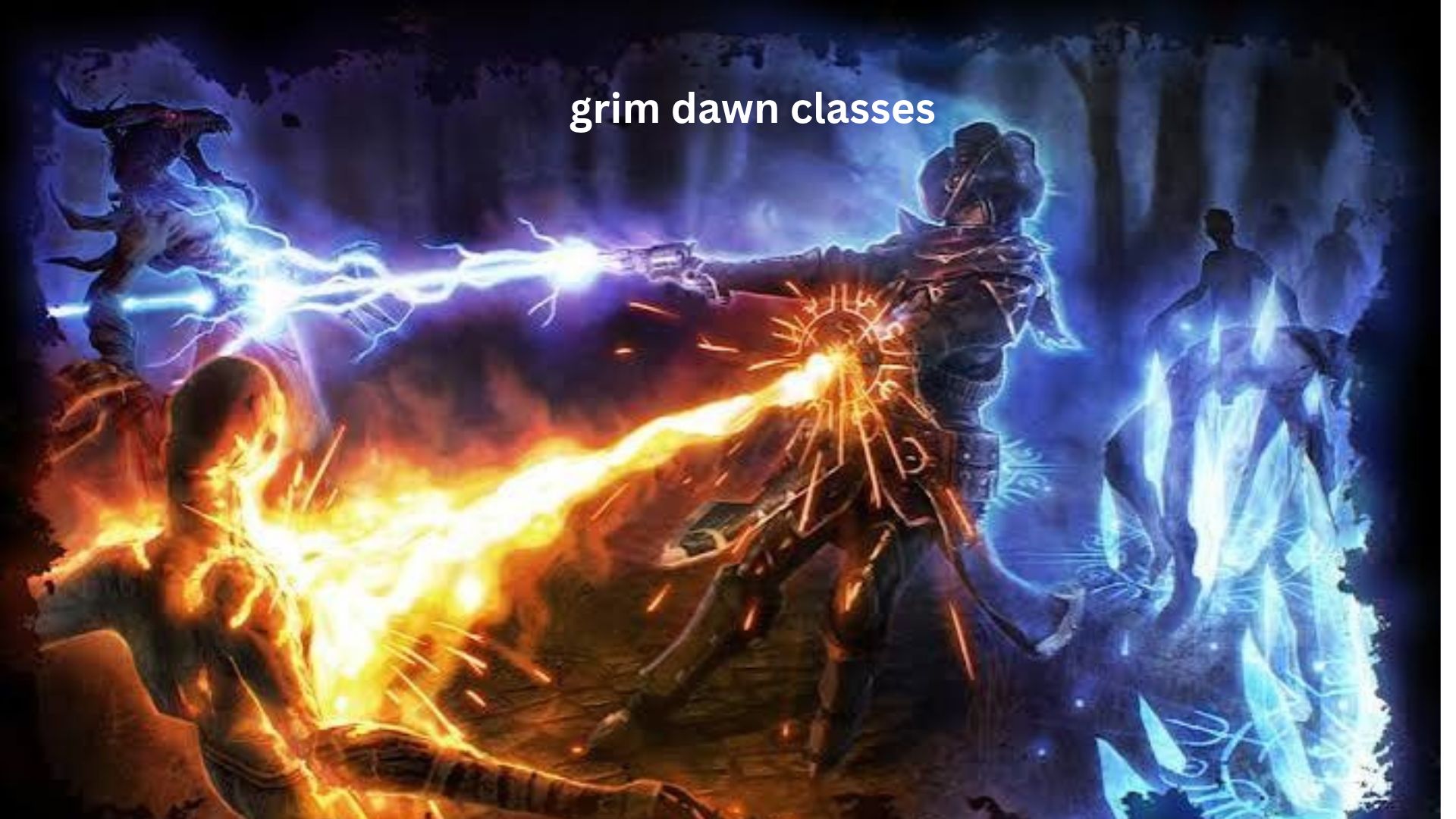
Starting a new character in Grim Dawn can be surprisingly difficult. The game gives you a huge amount of freedom, but that freedom can also create a problem: which class should you actually choose? With ten Masteries now available, including the Berserker from Fangs of Asterkarn, there are dozens of possible dual-class combinations.
The important thing to understand is that Grim Dawn does not work like a traditional RPG where you simply pick a fixed class such as “Warrior” or “Mage.” Your first Mastery defines the foundation of your character, and at level 10 you can choose a second Mastery to create a dual-class character. That means the better question is not “What is the strongest class?” but “What kind of combat experience do I want, and which two Masteries support it?”
This guide breaks down all Grim Dawn classes, explains what each Mastery actually feels like in combat, compares different combinations, and highlights practical mistakes that can make a promising character frustrating to play.
How Grim Dawn Classes Actually Work
In Grim Dawn, the terms class and Mastery are closely connected. You select your first Mastery at level 2, then gain access to a second one at level 10. Combining two Masteries creates a dual-class character.
- Soldier + Demolitionist = Commando
- Nightblade + Occultist = Witch Hunter
- Arcanist + Shaman = Elementalist
- Oathkeeper + Inquisitor = Vindicator
- Necromancer + Soldier = Death Knight
- Berserker + Nightblade = Reaper
The important point is that your second Mastery should solve a problem or strengthen a plan, rather than simply being chosen because its individual skills look powerful.
There are currently 10 Masteries, giving 45 possible dual-Mastery combinations when combinations are treated without regard to order. The tenth Mastery, Berserker, was introduced with Fangs of Asterkarn.
The 10 Grim Dawn Classes Explained
Soldier
Soldier is one of the easiest Masteries to understand and one of the most flexible foundations for a new character.
It focuses heavily on martial combat, physical damage, shields, weapons, defensive abilities and straightforward melee fighting.
Soldier is particularly attractive if you want:
- A durable melee character
- Sword-and-shield gameplay
- Two-handed weapons
- Reliable physical damage
- A forgiving first character
The biggest advantage of Soldier is not simply its toughness. It gives you a strong baseline character framework that can be combined with offensive or magical Masteries later.
If you are new to Grim Dawn and don’t yet understand resistances, armor, enemy damage types and defensive layers, Soldier is an excellent starting point.
Demolitionist
Demolitionist is built around fire, explosives, traps and ranged combat. Its skill set includes abilities such as Blackwater Cocktail, Canister Bomb, Thermite Mine and Stun Jacks.
It is a great choice if you enjoy:
- Fire damage
- Guns
- Explosive area damage
- Battlefield control
- Ranged combat
A common mistake is thinking Demolitionist must always be a pure ranged character. It can support melee builds extremely well too.
Its real strength is that it can bring damage plus utility to another Mastery.
Nightblade
Nightblade is the choice for players who want fast, aggressive melee combat.
Its identity revolves around dual wielding, cold damage, shadow abilities and rapid attacks. The Mastery is particularly associated with fighting with two melee weapons.
Nightblade works especially well when you enjoy:
- Dual-wield melee
- Fast attack speed
- Cold or piercing damage
- Hit-and-run combat
- High offensive pressure
However, Nightblade can punish careless players. You may kill enemies extremely quickly while still being vulnerable if your defenses are neglected.
That makes Nightblade a good example of an important Grim Dawn lesson: high damage does not automatically make a strong character.
Occultist
Occultist combines curses, dark magic, pets and poison-related abilities.
It can play several very different roles. You can build around direct spellcasting, debuffs, pets or combinations of these ideas. Its toolkit includes Dreeg’s Evil Eye, Bloody Pox, Summon Familiar and Possession.
Occultist is particularly attractive for:
- Pet builds
- Poison and acid damage
- Debuff-heavy characters
- Dark-magic spellcasters
- Support-oriented combinations
One of its biggest advantages is flexibility.
A new player may start with Occultist because of its pets and later discover that another part of the Mastery is more interesting. That flexibility makes it one of the more useful Masteries for experimentation.
Shaman
Shaman sits between nature magic and brutal physical combat.
It can support lightning-focused attacks, two-handed weapons, bleeding damage and pets. That makes it unusually versatile.
Shaman is a strong choice when you want:
- Lightning damage
- Two-handed melee
- Bleeding
- Totem-based support
- Pet gameplay
A particularly useful characteristic of Shaman is that it can provide a strong offensive identity without forcing you into one weapon type.
Arcanist
Arcanist is the classic magical powerhouse.
It specializes in Aether and elemental magic and includes abilities such as Panetti’s Replicating Missile, Albrecht’s Aether Ray, Olexra’s Flash Freeze and Devastation.
Choose Arcanist if you enjoy:
- Spellcasting
- Elemental damage
- Aether damage
- Ranged magical attacks
- High offensive potential
But there is an important catch: Arcanist’s offensive power can tempt players into building a “glass cannon.”
That may feel amazing during ordinary questing. Then a difficult boss arrives and suddenly the character feels fragile.
The practical solution is simple: build defense alongside damage from the beginning.
Inquisitor
Inquisitor is one of the most interesting choices for players who enjoy ranged weapons combined with magical abilities.
The Mastery offers runes, elemental abilities, defensive tools and strong ranged expertise. It can even support dual-pistol gameplay.
It is especially suitable for:
- Firearms
- Elemental damage
- Rune-based abilities
- Dual pistols
- Hybrid weapon-and-magic builds
Inquisitor is also a strong example of why Grim Dawn classes should not be judged by their fantasy description alone.
It isn’t simply “the ranged class.” Its abilities can become part of melee, caster and hybrid builds depending on the second Mastery.
Necromancer
Necromancer naturally attracts players who want an undead army, but it offers more than summoning.
Its design supports skeletons, vitality damage, life draining and other death-themed mechanics. Ashes of Malmouth introduced both Necromancer and Inquisitor as additional Masteries.
Necromancer is ideal for:
- Pet builds
- Skeleton armies
- Vitality damage
- Life-stealing mechanics
- Dark-themed hybrid characters
One practical lesson with pet Necromancers is that your character and your pets are separate parts of the build. Increasing your personal damage is not necessarily the same thing as making your pets stronger.
Oathkeeper
Oathkeeper is built around divine power, shields, retaliation, fire and aggressive melee combat.
Its signature skills include Aegis of Menhir, Eye of Reckoning, Smite and Summon Guardian of Empyrion.
Oathkeeper is particularly attractive for:
- Shield builds
- Retaliation
- Fire damage
- Whirlwind-style melee
- Tough frontline characters
It is also an excellent second Mastery because its defensive and offensive tools can complement many different archetypes.
Berserker
Berserker is the newest Mastery, introduced with Fangs of Asterkarn. It brings a very different identity to the existing roster through shapeshifting, two-weapon combat and the harsh elemental forces associated with Asterkarn.
Its standout features include:
- Dual-wield combat
- Werewolf transformation
- Wereraven transformation
- Cold and wind-based abilities
- Aggressive melee gameplay
This is one of the most important additions to the modern Grim Dawn class system because it expands the game’s character fantasy beyond conventional weapon-and-spell combinations.
If you enjoy the idea of changing forms during combat rather than simply equipping another weapon, Berserker is worth exploring.
Which Grim Dawn Class Is Best for Beginners?
There isn’t one universally best class.
However, some Masteries are easier to learn than others.
Good beginner-friendly choices
Soldier is excellent for players who want straightforward melee combat.
Occultist can be comfortable for players who enjoy pets and ranged abilities.
Demolitionist is enjoyable if you want explosive ranged attacks.
Oathkeeper is attractive if you want a durable melee character with strong offensive abilities.
The best beginner class is therefore less about theoretical damage and more about how much punishment you are comfortable taking while learning the game.
Best Grim Dawn Classes for Different Playstyles
| Playstyle | Strong Masteries to Consider |
|---|---|
| Tanky melee | Soldier, Oathkeeper |
| Dual wielding | Nightblade, Berserker |
| Fire damage | Demolitionist, Oathkeeper |
| Lightning | Shaman, Arcanist |
| Caster | Arcanist, Occultist |
| Gun-based | Demolitionist, Inquisitor |
| Pets | Occultist, Necromancer, Shaman |
| Shield combat | Soldier, Oathkeeper |
| Cold damage | Nightblade, Berserker |
| Physical damage | Soldier, Shaman |
| Retaliation | Oathkeeper, Soldier |
| Hybrid builds | Inquisitor, Occultist, Oathkeeper |
These aren’t rigid rules. Grim Dawn is specifically designed around combining Masteries, skills, equipment and Devotions rather than putting every character into a fixed template.
How to Choose Your Second Mastery
This is where many new players make their biggest mistake.
They choose the second Mastery because it contains an attractive skill.
A better method is to ask three questions:
1. What is my main damage type?
Suppose your primary attack deals fire damage.
Your second Mastery should ideally provide something that improves fire damage, reduces enemy resistance, improves survivability or provides useful supporting mechanics.
2. What is my biggest weakness?
If your character already kills enemies quickly but dies easily, more damage may be the worst possible investment.
A defensive second Mastery may produce a much stronger character overall.
3. What does my main skill actually need?
Look at the complete package.
A skill might need:
- Energy regeneration
- Cooldown reduction
- Attack speed
- Casting speed
- Resistance reduction
- Defensive bonuses
- Mobility
- Healing
This is a more reliable approach than simply searching for the “highest DPS class.”
A Practical Example of Building a Character
Imagine you want to play a character using a two-handed weapon.
You start with Shaman because you like its two-handed combat tools.
At level 10, you could add Soldier.
Now you have a character that can combine Shaman’s offensive identity with Soldier’s martial and defensive tools.
Alternatively, you might choose Oathkeeper if your goal is to move toward a different elemental or aggressive melee setup.
The important thing is that the same first Mastery can lead to completely different characters depending on the second choice.
That’s why guides that simply label one Mastery as “best” can be misleading.
Common Mistakes When Choosing Grim Dawn Classes
Choosing skills instead of a build concept
One skill may look incredible in isolation.
That doesn’t mean your entire character should revolve around it.
Think about the damage type, scaling, equipment and defensive requirements before committing heavily.
Ignoring resistances
This is probably one of the biggest traps for new players.
A character can feel unstoppable while fighting ordinary monsters and then collapse against enemies dealing a particular damage type.
Damage is satisfying, but resistances often determine whether you survive long enough to use that damage.
Spreading skill points too widely
Trying every skill sounds fun, but it can produce a character that does several things poorly.
A stronger approach is usually:
- Choose a primary attack.
- Identify the damage type.
- Invest in supporting skills.
- Add defensive tools.
- Expand the build when the foundation is working.
Assuming leveling and endgame builds are identical
A build that feels fantastic at level 25 may require different skills or equipment later.
Don’t be afraid to respec.
The game provides Spirit Guides that allow you to remove skill points for a cost, and with the Ashes of Malmouth expansion, you can even reduce the Mastery bar down to one point.
Three Less-Obvious Lessons About Grim Dawn Classes
Your second Mastery can be more important defensively than offensively
Players naturally look for more damage.
Experienced build planning often works the other way around: identify the character’s biggest survivability problem and use the second Mastery to fix it.
A character that deals 20% less damage but survives difficult encounters consistently can ultimately be much more effective.
The “feel” of a build matters more than a theoretical tier list
Two builds can have similar endgame performance while feeling completely different.
One may require precise positioning and constant skill rotation. Another may simply hold down an attack and move through enemies.
If you dislike the combat loop, the theoretically stronger build won’t necessarily be more enjoyable.
Don’t treat Masteries as isolated classes
This is perhaps the most important idea.
The real building block of Grim Dawn is not the individual Mastery.
It is the interaction between Masteries, skills, equipment, Devotions and damage types.
That is why seemingly unusual combinations can become effective when their mechanics complement each other.
FAQ
What are the best Grim Dawn classes for beginners?
Soldier, Demolitionist, Occultist and Oathkeeper are generally comfortable starting points because they can provide straightforward damage and useful defensive or supportive tools. However, your preferred playstyle matters more than a universal ranking. If you enjoy spellcasting, Arcanist may be a better beginner choice than Soldier.
How many Grim Dawn classes are there?
There are currently ten Masteries in Grim Dawn: Arcanist, Demolitionist, Nightblade, Occultist, Shaman, Soldier, Inquisitor, Necromancer, Oathkeeper and Berserker. Berserker is the tenth Mastery and was added with Fangs of Asterkarn.
Can you change your class in Grim Dawn?
You cannot freely replace your chosen Mastery with another one, but the game does allow substantial skill respec options. With Ashes of Malmouth, the Mastery bar can be reduced to one point, allowing you to change the practical direction of a character without starting completely over.
What is the best dual-class combination in Grim Dawn?
There is no single best combination for every player or every activity. A strong dual-class build usually combines complementary damage, resistance reduction, survivability and skill mechanics. The best combination for you depends on whether you want melee, ranged, caster, pet, retaliation or another playstyle.
Is Berserker good in Grim Dawn?
Berserker is a strong option for players who enjoy aggressive melee combat, dual wielding and shapeshifting. Its distinctive wereform mechanics make it different from the older Masteries, while its weapon-focused abilities allow it to work with several combat approaches. It requires Fangs of Asterkarn.
Should you follow a Grim Dawn build guide?
A build guide can save time, especially for Ultimate difficulty and challenging endgame content, but it is not essential for learning the game. For a first character, understanding why skills, resistances, equipment and Devotions work together can be more valuable than copying a finished build. Once you understand those systems, guides become much easier to adapt rather than blindly follow.
Conclusion
The best way to understand Grim Dawn classes is to stop thinking of them as fixed RPG classes. The ten Masteries are building blocks, and your final character comes from how you combine two Masteries with skills, equipment, Devotions and damage mechanics.
For beginners, Soldier and Oathkeeper offer approachable melee foundations, while Demolitionist, Arcanist and Inquisitor suit players who prefer ranged or magical attacks. Occultist, Necromancer and Shaman offer particularly interesting pet and hybrid possibilities, while Nightblade and the newer Berserker provide fast, aggressive combat options.
Most importantly, don’t chase a “best class” before deciding how you actually want to play. Choose the combat style first, identify what your character is good at, then use the second Mastery to strengthen that identity or cover its weaknesses. That approach produces better characters—and usually makes the hundreds of hours you can spend in Cairn considerably more enjoyable.