

What Is a Live Service Game? Meaning & Examples
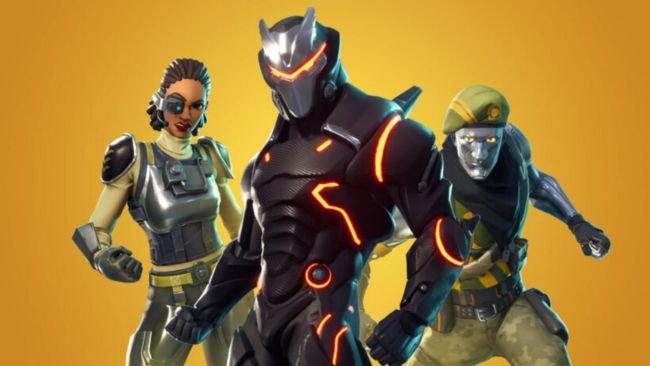
If you’ve played a game like Fortnite, Genshin Impact, or Call of Duty: Warzone, you’ve probably noticed something interesting—it never really feels “finished.” New seasons arrive, maps change, characters get added, and the game you played six months ago might look completely different today. That experience is not accidental. It’s part of a modern gaming model called a live service game.
For many players, this can feel confusing. Why do some games keep changing while others stay the same forever? Why do you need to download updates so often just to keep playing? And more importantly, why are so many big gaming companies moving toward this model?
A live service game is designed to evolve continuously after release, often for years. Instead of being a one-time product, it behaves more like an ongoing platform. Understanding this concept helps you make sense of modern gaming trends, from seasonal battle passes to in-game events and constant updates. In this article, we’ll break it down in simple terms, explore real examples, and explain why this model dominates the gaming industry today.
What Is a Live Service Game? (Simple Definition)
A live service game is a video game that is designed to be continuously updated and supported over a long period after its release.
Instead of launching and staying mostly the same, the game keeps evolving through:
- Regular updates
- New content (maps, characters, weapons, missions)
- Seasonal events
- Balance changes
- Live in-game activities
In simple words:
A live service game is a game that “lives” and grows over time instead of staying static.
Think of it like a TV series instead of a movie. A movie ends when it’s over. A TV series keeps releasing new episodes and seasons, keeping the audience engaged for years.
How Live Service Games Work in Practice
From a player’s point of view, a live service game feels like an endless experience. But behind the scenes, developers are constantly working.
Here’s how it usually works:
1. Base Game Launch
The game launches with a solid foundation—core gameplay, maps, and systems.
2. Ongoing Updates
Developers release patches regularly to:
- Fix bugs
- Improve performance
- Adjust gameplay balance
3. Content Drops
New content is added over time:
- New characters or operators
- Additional maps or zones
- Story expansions
- Limited-time game modes
4. Seasonal Structure
Many live service games follow seasons (e.g., Season 1, Season 2):
- Each season brings a theme
- Players unlock rewards through progression systems like battle passes
5. Live Events
Special events happen in real time:
- In-game concerts
- Story-changing events
- Limited-time challenges
This structure keeps players returning regularly instead of playing once and leaving.
Real-World Examples of Live Service Games
To understand this model clearly, let’s look at some well-known examples:
Fortnite
One of the most famous live service games.
- Constant map changes (entire areas get destroyed or rebuilt)
- Seasonal storylines
- Collaborations with Marvel, Star Wars, and celebrities
- Live in-game events like rocket launches or concerts
Fortnite is often used as the textbook example of a live service game because it constantly reinvents itself.
Genshin Impact
A massive open-world RPG that updates every few weeks.
- New regions added over time
- New playable characters released regularly
- Story expansions with each update
- Seasonal events with exclusive rewards
It feels like a never-ending anime-style adventure that keeps expanding.
Call of Duty: Warzone
A competitive battle royale game that evolves every season.
- Map updates and redesigns
- Weapon balancing changes
- Seasonal content drops
- Integration with new Call of Duty releases
Warzone keeps the competitive scene fresh by constantly shifting gameplay dynamics.
Destiny 2
A long-running online shooter with deep story expansions.
- Expansions that add new campaigns
- Raids and cooperative missions
- Seasonal story arcs
- Constant weapon and ability tuning
Destiny 2 shows how live service can support both story and gameplay over years.
Why Developers Use the Live Service Model
Game development is expensive, and companies want long-term engagement. The live service model helps them achieve this.
1. Continuous Revenue
Instead of one-time purchases, developers earn through:
- Battle passes
- Skins and cosmetics
- Expansion packs
- Seasonal content
This creates steady income over time.
2. Player Retention
The goal is to keep players coming back.
New content gives players a reason to:
- Log in daily
- Play with friends
- Stay invested in the game world
3. Community Engagement
Live service games often build strong communities.
Players discuss:
- Updates
- Meta changes
- Events
- Strategies
This social aspect keeps the game alive.
4. Long-Term Game Growth
Instead of releasing sequels every few years, developers can:
- Improve the same game
- Expand its universe
- Keep the player base in one place
Advantages of Live Service Games (From a Player’s Perspective)
Live service games can be very rewarding when done well.
Constant Fresh Content
You rarely run out of things to do.
Evolving Experience
The game changes over time, keeping it exciting.
Social Gameplay
Friends often return for new seasons together.
Free Updates (Sometimes)
Many games offer new content without extra purchase.
Downsides of Live Service Games
However, the model is not perfect.
1. FOMO (Fear of Missing Out)
Limited-time events can pressure players to log in constantly.
2. Repetitive Systems
Some games rely too heavily on grinding or daily tasks.
3. Pay-to-Progress Concerns
Cosmetics are fine, but sometimes monetization affects gameplay balance.
4. Game Fatigue
If updates are too frequent or poorly designed, players may feel overwhelmed.
Live Service vs Traditional Games
To understand the difference clearly:
| Traditional Game | Live Service Game |
|---|---|
| Fixed content | Constant updates |
| One-time experience | Ongoing experience |
| DLC optional | Regular seasonal content |
| Static world | Evolving world |
Traditional games are like a finished book. Live service games are like a story that never ends.
Why Live Service Games Dominate Today’s Industry
The gaming industry has shifted toward live service because:
- Players expect ongoing content
- Online multiplayer is more popular than ever
- Streaming and esports increase engagement
- Developers want long-term revenue models
In many ways, live service games have become the “default” model for big online titles.
The Future of Live Service Games
Looking ahead, this model will likely evolve even further:
Smarter Updates
Games may use AI to personalize events and content.
More Player-Driven Worlds
Community decisions could shape storylines.
Cross-Platform Ecosystems
Players will move seamlessly between devices.
Hybrid Models
More games will mix:
- Single-player story
- Live service updates
Final Thoughts
A live service game is more than just a game—it’s an ongoing digital world that grows, changes, and reacts to its players. Whether you love or hate the model often depends on how it’s executed.
When done right, it creates some of the most engaging gaming experiences available today. When done poorly, it can feel repetitive or overly monetized.
But one thing is clear: live service games have reshaped modern gaming forever, and they are now a central part of how the industry works.
If you understand this model, you’ll better understand why your favorite games keep changing—and why they’re designed to never truly end.
Outing Club examines the life stories, family histories, and personal paths of famous individuals, giving readers a more in-depth view of the people behind news and media attention.