

Uncharted 4: A Human Guide to Sound, Chapters & Platforms
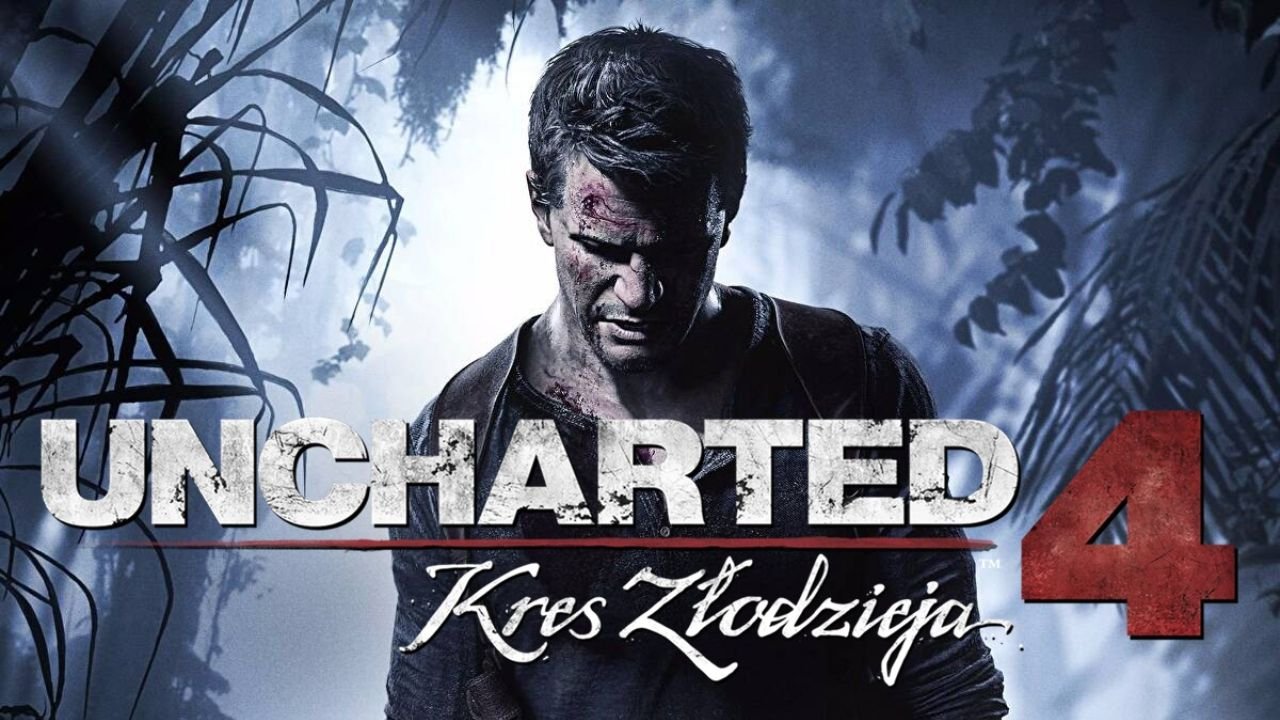
Many players come back to Uncharted 4: A Thief’s End not because they missed the story, but because they remember how it felt. The weight of every gunshot, the echo inside ancient caves, the silence before a chase begins—this is the kind of game where sound and pacing shape your memory as much as the visuals. And that often leads people to surprisingly specific questions: Who designed the sound? How many chapters are there really? Can I play it on PC or PS5 in the best quality?
If you’ve ever searched things like “Uncharted 4 sound designer credits,” “how many chapters in Uncharted 4,” or “Uncharted 4 PC or PS5 version,” you’re probably trying to understand whether the game is still worth playing today—and in what form.
The short answer: yes, it absolutely is. But the full answer is more interesting. From its cinematic audio design crafted by the team at Naughty Dog to its modern re-release in the Legacy of Thieves Collection, Uncharted 4 is a technical and emotional experience that still holds up in 2026. Let’s break it down in a practical, player-first way.
The Real Craft Behind Uncharted 4’s Sound Design
One of the most overlooked parts of Uncharted 4 is its audio direction. Players often remember the visuals or story of Nathan Drake, but the sound is what quietly carries tension and realism.
The sound design was built by the audio team at Naughty Dog, known for treating audio as storytelling—not just background effects. Every environmental sound is layered with intention:
- Footsteps change depending on surface (mud, stone, wood, metal)
- Gunfire echoes differently in open jungle vs. enclosed ruins
- Rope swings and grappling hook movements are designed to feel physically weighty
- Ambient wildlife sounds subtly react to player movement
The audio direction (led internally by Naughty Dog’s senior audio leadership) followed one principle: you should “feel” the environment before you understand it visually.
Why it still feels modern
Even years later, players notice that Uncharted 4 doesn’t sound “gamey.” There’s no artificial over-processing. Instead, the audio design uses real-world recordings blended with cinematic layering, which makes exploration feel grounded and immersive.
This is also why many players revisit it on newer hardware—it scales beautifully with better headphones or surround systems.
Uncharted 4 Chapters: Full Breakdown
A very common search is: “How many chapters are in Uncharted 4?”
The game contains:
22 main chapters + 1 epilogue
Each chapter is structured like a film scene rather than a traditional game level, which is why pacing feels so natural.
What the structure feels like in practice
Instead of repeating gameplay loops, the chapters alternate between:
- Exploration (jungle ruins, cities, islands)
- Story-heavy dialogue segments
- Puzzle-solving sections
- High-intensity combat or chase sequences
Example flow
- Early chapters focus on setup and character reintroduction
- Mid-game chapters expand into large open exploration zones
- Late chapters become tighter, more cinematic, and emotionally driven
- The epilogue acts as a reflective closing rather than action-heavy content
Why chapter count matters
Many players underestimate this, but knowing there are 22 chapters helps set expectations:
- It’s a long cinematic experience, not a short action game
- Most players finish it in 15–22 hours depending on exploration style
- Completionists may spend significantly longer collecting treasures and notes
Uncharted 4 on PS5: What Actually Changes?
Another frequent question is: “Is there a PS5 version of Uncharted 4?”
Technically, there isn’t a standalone PS5-only release. Instead, the game is available through the upgraded collection:
- Uncharted: Legacy of Thieves Collection
This includes:
- Uncharted 4: A Thief’s End
- Uncharted: The Lost Legacy
On PlayStation 5, you get:
- 60 FPS performance mode
- Faster load times
- Higher resolution visuals
- More stable frame pacing
- Improved texture clarity
The PS5 upgrade doesn’t change gameplay, but it does enhance immersion—especially in fast traversal and combat moments where frame stability matters.
Why it feels better on PS5
Uncharted 4 was originally designed around cinematic timing. On PS5, animations feel smoother and transitions between cutscenes and gameplay are nearly seamless.
For first-time players today, PS5 is arguably the best console way to experience it.
Uncharted 4 on PC: What You Need to Know
The most confusing search intent is: “Uncharted 4 PC version”
Here’s the clear answer:
Uncharted 4 itself was not originally released on PC. However, it is available through:
- Uncharted: Legacy of Thieves Collection (PC release)
What the PC version includes
- Full Uncharted 4 campaign
- The Lost Legacy expansion
- PC optimization settings (resolution scaling, ultra-wide support, etc.)
- Adjustable frame rates (depending on hardware)
Why PC players care about it
On PC, the game benefits heavily from:
- Higher refresh rates (120Hz+ monitors)
- Enhanced shadows and lighting fidelity
- Better audio through high-end sound systems or headphones
Important practical note
If you’re playing on PC for the first time, Uncharted 4 feels less like a console port and more like a remastered cinematic experience built for modern hardware.
Sound Designer Credits: What Players Usually Want to Know
Searches like “Uncharted 4 sound designer credits” usually come from players curious about who shaped the audio experience.
In large AAA games like this, sound design is rarely the work of one person. It is a coordinated effort between:
- Audio directors
- Sound designers
- Foley artists
- Dialogue editors
- Music supervisors
The audio leadership at Naughty Dog has historically emphasized realism blended with cinematic pacing. This means:
- Foley artists recreate physical sounds in controlled studio environments
- Designers layer environmental audio dynamically in-engine
- Dialogue is mixed to stay clear even during explosions or action-heavy scenes
What makes it stand out
Unlike many action games where sound becomes chaotic, Uncharted 4 maintains clarity. Even in intense firefights, you can still hear:
- Enemy positioning cues
- Character callouts
- Environmental shifts (like collapsing structures or moving vehicles)
This clarity-first design is a major reason the game is often studied in game audio discussions.
Why Uncharted 4 Still Feels Worth Playing Today
Even in 2026, Uncharted 4 holds relevance because it blends three things very few games balance well:
1. Cinematic storytelling
It feels like playing a movie, but with agency.
2. Tight gameplay pacing
No filler mechanics. Every chapter exists for a reason.
3. Emotional grounding
Nathan Drake (a Nathan Drake) is written less as a superhero and more as a tired adventurer dealing with consequences.
Practical Tips Before You Play
If you’re planning to revisit or start Uncharted 4 today:
- Use headphones for best sound design experience
- Play at stable 60 FPS (PS5 or PC performance mode)
- Don’t rush chapters—environmental storytelling matters
- Collectibles (notes, relics) add context to world-building
- Expect 15–25 hours depending on playstyle
Final Thoughts
Uncharted 4 isn’t just remembered for its story or action—it’s remembered because everything in it is carefully tuned to feel intentional. The sound design pulls you into its world, the chapter structure controls pacing like a film, and modern versions on PS5 and PC make it more accessible than ever.
If you were searching for whether it’s still worth your time, the honest answer is simple: it is, especially if you care about cinematic games that respect both storytelling and technical craft.
And once you hear the rain hitting Drake’s footsteps in a jungle ruin or the distant echo of gunfire in a collapsing city, you’ll understand why its audio design still gets talked about years later.
Outing Club examines the life stories, family histories, and personal paths of famous individuals, giving readers a more in-depth view of the people behind news and media attention.